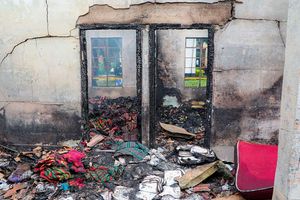
Student unrest has spread to 204 secondary schools across the country, but the Ministry of Education has ruled out changes to the current academic calendar, opting instead to review school terms next year to address concerns that the long second term may be contributing to learner fatigue.
The ministry says the affected schools represent about two per cent of all secondary schools nationwide, highlighting a limited but disruptive challenge that has affected learning and increased anxiety among parents and education stakeholders.
Education Cabinet Secretary Julius Ogamba said yesterday that unrest has affected 204 schools, mostly boarding institutions, and that 59 have since returned to normal learning while others continue to resume. He noted that less than 2 per cent of the country’s secondary schools are affected, meaning about 98 per cent remain stable and operational.
Education Cabinet Secretary Julius Ogamba.
Photo credit: Lucy Wanjiru | Nation Media Group
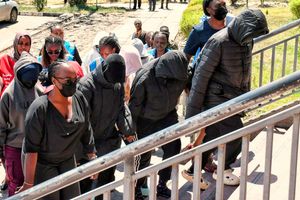
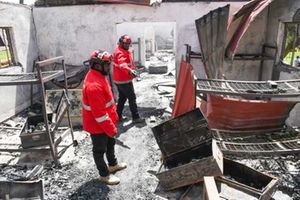
He said the disturbances have resulted in injuries, destruction of property, burning of dormitories and classrooms, and in the most tragic cases loss of life.
Despite rising concern, the ministry ruled out any early mid-term break, insisting that schools will continue operating under the existing academic calendar without alteration.
“The mid-term break for the second term of the 2026 school year will take place as scheduled from 24th to 28th June 2026,” Ogamba said, adding that starting next year the ministry will rationalise the school calendar to ensure balanced terms and reduce the length of the second term.
He said the reforms aim to reduce learner exhaustion, improve academic pacing, and support better wellbeing in schools.
Ogamba said the government will establish a multi-sectoral team bringing together education experts, county officials, health professionals, security agencies and other stakeholders to examine the root causes of unrest and propose targeted interventions.
He said the causes of unrest are varied and include examination pressure, peer influence, copycat behaviour, poor school conditions, inadequate infrastructure, drug and substance abuse, strenuous routines and leadership challenges.
The CS warned that violence and destruction of property would be met with firm legal action, stressing that grievances must be addressed through lawful and constructive channels.
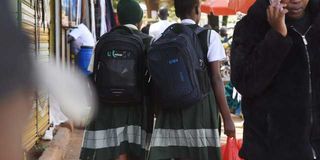
Students leave Alliance High School in Kikuyu, Kiambu County on June 4, 2026 after the institution announced an indefinite closure following a fire that destroyed a storage facility within the school compound.
Photo credit: Lucy Wanjiru | Nation Media Group
He reminded principals and school heads of their statutory and moral responsibility to ensure learner safety, respond quickly to emerging issues and maintain secure learning environments.
Parents and guardians were urged to use the mid-term break to spend time with learners, provide guidance and discuss concerns affecting them.
Schools were instructed to convene parents’ association meetings, strengthen safety measures, improve guidance and counselling programmes and enhance learner welfare ahead of reopening.
County and sub-county education officers were directed to conduct targeted safety audits and inspections, especially in at-risk institutions across the country.
The ministry said the situation remains under close monitoring as efforts continue to restore stability in affected schools nationwide.