A parliamentary inquiry has uncovered shocking allegations of sexual abuse, human rights violations and unethical behaviour by British soldiers training in Kenya.
The report details multiple instances of misconduct, environmental negligence and disregard for Kenyan law by personnel from the British Army Training Unit in Kenya (Batuk).
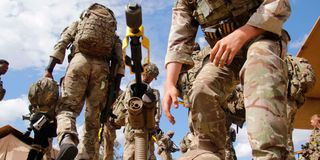
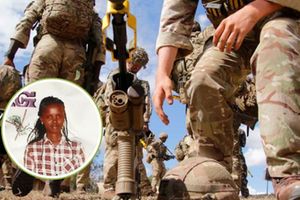
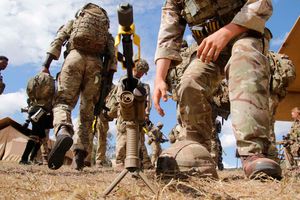
British Army soldiers during a training exercise in Lolldaiga, Laikipia County. on November 14, 2022.
Photo credit: File | Nation Media Group
The investigation was conducted by the National Assembly’s Defence, Intelligence and Foreign Relations Committee in response to petitions and complaints from Kenyans, particularly communities in Laikipia and Samburu counties near training grounds.
The inquiry revealed disturbing accounts of rape, sexual assault and violent behaviour by soldiers, as well as maiming and deaths due to negligent handling of military explosives.
The United Kingdom (UK) High Commission responded with a statement expressing regret that its submission was not incorporated into the report’s conclusions, affirming its readiness to investigate allegations under its jurisdiction.
“Where new allegations have come to light in the Committee’s report, we stand ready to investigate those under our jurisdiction fully once evidence is provided,” reads the statement.
It added: “The UK highly values its defence relationship with Kenya, which delivers a broad programme of cooperation in training, education and capability development to counter shared security threats together.”
According to the committee, Batuk submitted unsigned documents through the Ministry of Diaspora Affairs on October 22.
In one case, Robert Swara Seuri, an employee at the Ole-Naishu Range, is reported to have died after unknowingly carrying home an unexploded ordnance from a Batuk range. A child, Lisoka Lesasuyan, lost both arms and an eye after encountering another unexploded ordinance.
The report also details public indecency by soldiers, including exposing themselves.
“Witnesses described frequent altercations involving Batuk soldiers in bars, social venues and town centres often involving intoxication, disorderly conduct and in some cases violent or sexually aggressive behaviour. It was submitted that some soldiers were implicated in sexual assaults and physical confrontations occurring in entertainment establishments,” reads the report.
Witnesses reported multiple incidents of sexual misconduct, with many victims’ cases mysteriously dropped or settled without their involvement.
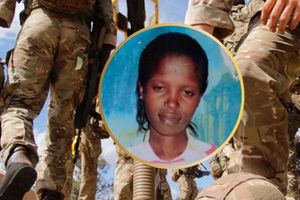
“Community witnesses reported multiple incidents of rape and sexual assault perpetrated by Batuk soldiers, many involving young local women,” reads the report.
It adds: “Many submissions revealed that Batuk has on diverse occasions failed to comply with court orders on compensation arising from accidents and environmental degradation linked to its activities.”
Soldiers troop during a simulated military excercise of the British Army Training Unit in Kenya (BATUK) together with the Kenya Defence Forces (KDF) at the ol-Daiga ranch, high on Kenya’s Laikipia plateau on March 26, 2018.
Photo credit: File | AFP
Despite these allegations, the committee found no evidence of Batuk members being prosecuted in Kenya for serious crimes committed on Kenyan soil. Alleged offenders are often repatriated or internally disciplined by the UK military, creating what witnesses described as a “culture of impunity”.
Residents also reported respiratory issues, miscarriages, and livestock deaths due to toxic fumes and leftover military waste.
The committee has recommended that the Ministry of Defence, in consultation with the Attorney-General, should amend the Kenya Defence Forces Act to include a visiting forces code of conduct, zero-tolerance provisions for gender-based violence, environmental obligations, and civilian oversight mechanisms.
They also want the ministry to negotiate with the UK government on mechanisms to hold Batuk soldiers accountable for child support obligations.