The Kenya National Commission on Human Rights (KNCHR) said the formation of a task force is an encroachment on its constitutional mandate and a waste of public funds.
In filings at Nairobi's High Court, KNCHR supports a petition by activists to quash the Presidential decision, calling it "irregular" and unconstitutional.
The case threatens to delay President Ruto’s plan for compensation for hundreds of victims of police brutality during recent protests.
“The actions of the President are not based on any constitutional and/or statutory framework,” says the commission through its chief executive officer Dr Bernard Mogesa.
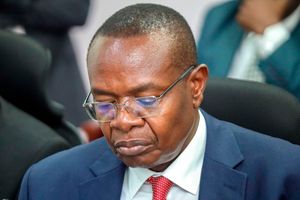
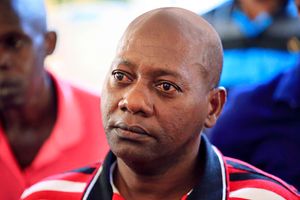
Kenya National Commission on Human Rights (KNCHR) CEO Bernard Mogesa at a past event.
Photo credit: Francis Nderitu | Nation
The development comes a day after the Law Society of Kenya (LSK) filed its response defending President Ruto’s decision, stating that the establishment of the Panel of Experts on Compensation of Victims of Demonstrations and Public Protests was within the scope of the President’s constitutional functions.
LSK also argued that the President’s move does not amount to usurpation of the functions of KNCHR or the Victims protection Board. It argued that the establishment of the panel complements rather than replaces KNCHR's role.
However, KNCHR's eight-page affidavit reveals stark mandate overlaps as both institutions are authorised to verify victims and design compensation frameworks.
Both must also engage stakeholders and authenticate victim data and both can propose police reforms.
“The establishment of this panel amounts to breach of the Constitution,” maintains Dr Mogesa arguing the taskforce's verification and compensation functions directly overlap with KNCHR's statutory mandate under the Constitution.
He adds that this constitutes imprudent use of public resources, noting that Kenya already spends millions of shillings annually to maintain constitutional commissions.
It argues that the existence of the Presidential task force amounts to breach of the Constitution and would lead to duplication of duties.
Part of the KNCHR’s functions include monitoring government compliance with human rights laws, educating the public, advocating for victims, advising the government on human rights-related legislation, and collaborating with stakeholders to ensure the respect and fulfillment of human rights for all individuals.
On the other hand, functions of the Presidential team include to design and establish an operational framework to verify, categorise, and compensate eligible victims.
It was also mandated to engage with relevant stakeholders to ensure inclusivity and fairness in the compensation process and authenticate data on eligible victims.
Further, the task force was expected to propose legislative and institutional reforms to address protests and culture of policing. Upon completion of its work, the panel is expected to prepare and submit reports to the President.
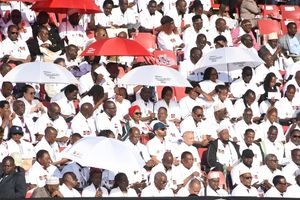
The panel of Experts to oversee compensation for victims of protests pose for a group photo during their swearing-in ceremony at KICC on September 4, 2025.
Photo credit: Wilfred Nyangaresi | Nation Media Group
According to KNCHR, a scrutiny of the panel’s mandate as stipulated in the Presidential proclamation shows duplication of roles.
“The establishment of the Panel of Experts is inconsistent with clear and mandatory provisions of the Constitution, as such the Presidential Proclamation and the subsequent Gazette Notice are constitutionally infirm by virtue of Article 2(4) of the Constitution,” says Dr Mogesa.
He argues that the functions vested on the taskforce, such as establishing an operational framework to verify, categorize and compensate eligible victims, are a direct encroachment on the Commission’s Constitutional and Statutory mandate.
“The actions of the President to vest the Panel of Experts with the mandate to design and establish an operational framework to verify, categorise and compensate eligible victims is not only irregular and illegal but also not a prudent use of public resources given that the said role clearly falls within the KNCHR's province demonstrated,” he maintains.
The court case was filed by rights advocates who believe the President breached the Constitution and that the move would lead to wastage of public finances.
Dr Mogesa says given the financial cost of maintaining the operations of Constitutional Commissions and Independent offices, it would be incompatible with the prudent use of public resources to appoint a Panel of Experts to undertake tasks that are already vested on publicly funded independent bodies.
“The mandate and functions of KNCHR, just like the jurisdiction of the court flow from the Constitution and Statutes and the same cannot be arrogated,” says Dr Mogesa.