Floods are often described as natural disasters. But in truth, disasters are rarely natural. They are shaped by social, economic, and governance factors that determine whose lives are protected and whose lives are exposed.
Last week’s floods were another painful reminder that people’s vulnerability to flooding isn’t shared equally. Rather, it is linked to their economic status, housing stability, local infrastructure decisions, and quality of public institutions.
Across the world, rising global temperatures have increased the frequency and severity of extreme weather events. Warmer temperatures impact precipitation and sea levels, causing dangerous floods and changing weather patterns.
These natural disasters not only impact the planet but also pose serious risks to human health. While news coverage may centre around the damage to buildings and property, less emphasis is placed on how flooding can overflow sanitation systems and impact communities.
In addition to people losing their homes, there are serious health risks associated with contaminated water and compromised infrastructure.
Flooding can have disastrous impacts on health and well-being. Obvious injuries such as drowning, occur. There are risks of electrical injury. Many are impacted by hypothermia during floods.
When floodwaters hit sewage systems and dump sites, they contaminate soils. Potentially life-threatening waterborne diseases can spread quickly, especially where there is limited access to clean drinking water.
Viral infections like hepatitis A and gastrointestinal infections like rotavirus can spread during floods.
Floods can exacerbate malnutrition in communities where food security is a concern. Research indicates that children in households affected by frequent flooding are more likely to experience malnutrition.
Stagnant pools of water left behind by floods are breeding grounds for mosquitoes. This can cause malaria and dengue fever. Flooding can impact access to healthcare.
People who have chronic conditions may lose access to medication. Pregnant women may lose access to prenatal care. Medical facilities can be damaged as well. This is especially true if infrastructure is built without climate considerations.
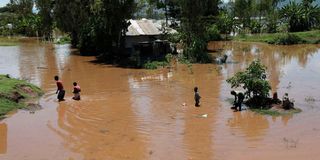
A man swims in flood water after heavy rains flooded a quarry within Kamulu area of Nairobi County on March 6, 2026.
Photo credit: Monicah Mwangi | Reuters
Displacement, overcrowding, and financial loss create long-lasting psychological strain. When schools close or families relocate, learning is disrupted. Stress and uncertainty can affect cognitive development, concentration, and emotional well-being.
In many contexts, flooding has also been associated with increased risks of domestic violence and gender-based violence, particularly where families face economic hardship and social instability.
These health consequences reveal a deeper truth: floods are as much governance failures as they are climate events. Where governments fail to plan, prepare, and mitigate risk, disasters become far more deadly than they need to be.
Effective flood governance requires more than emergency response. It requires prevention, preparedness, response, and recovery working together as part of a coherent public health strategy.
Prevention begins with how we design our physical environment. Structural measures like better drainage systems, flood bypasses, dams, and resilient roads can all minimise the threat of flooding. Urban planning plays a role too: building settlements and homes in floodplains or unplanned areas without proper drainage endangers whole communities. Natural solutions also exist.
Wetland restoration, mangrove protection, and the expansion of natural floodplains create buffers that absorb excess water. Permeable pavements, rain gardens, and urban greening can lessen runoff and curb flooding.
Yet prevention alone is not enough. Flood risk can never be completely eliminated, no matter how advanced our infrastructure is. That is why early warning systems, clear communication, and community emergency preparedness are key.
Communities must have information about their flood risk, know the safest evacuation routes, and understand emergency response plans. Health facilities must be ready too.
Equipment should be stored outside flood-prone areas, and backup stockpiles of medicines and beds should be secured.
Health workers need training on disaster preparedness, as do communities. Mental health support should be available for patients and frontline responders alike.
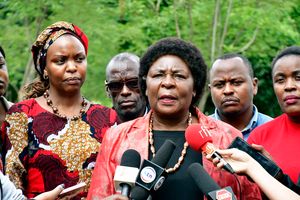
Kenya Red Cross officials conduct an assessment in Rachuonyo North, Homa Bay County, on March 8, 2026, following floods that have displaced families in the region
Photo credit: George Odiwuor | Nation Media Group
During floods, response efforts should aim to restore safe water, sanitation, and hygiene services as soon as possible. Provision of safe drinking water, WASH kits, mosquito control, and rapid disease surveillance activities can prevent additional health emergencies. Health services should be prepared to provide trauma care, contain infectious disease outbreaks, and continue providing care for people with chronic diseases. Recovery efforts are where governance falls short most of the time. People need shelter, financial assistance, and plans for long-term redevelopment. Disease and injuries can soon give way to the long-term public health issues of post-traumatic stress, chronic disease, and disability, which require a strong health system to address.
The reality is that climate change is going to cause more floods more frequently in the future. So here’s the real question: Will we continue to view floods as rare acts of God, or will we treat them like predictable public health emergencies? If we want to invest in communities, we can no longer view floods through the narrow lens of disasters. Floods are a signal about how we build our infrastructure, take care of the environment, allow socioeconomic inequalities to persist, and plan (or don’t plan) for our public institutions to handle crises.