Over the last three weeks, excitement has been building around Lenacapavir and for good reason. For years, HIV prevention has meant daily pills and clinic appointments, with extremely high adherence needed. The emergence of long-acting prevention options that could simplify protection for millions of people.
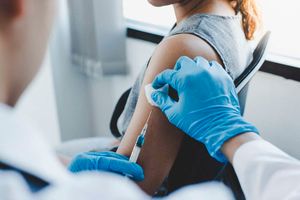
Short for Lenacapavir, LEN is a long-acting antiretroviral medication used for PrEP, which stands for pre-exposure prophylaxis for HIV. Let’s unpack that: PrEP are medications that people who do not have HIV take to prevent acquiring the virus. The difference between Lenacapavir and other forms of PrEP is how often you take it. Instead of daily oral PrEP pills, Lenacapavir is an injection under the skin given only twice per year.
This couldn’t be more timely. Every year, millions of people become newly infected with HIV. New infections are higher among key and priority populations – young people, sex workers, men who have sex with men, transgender people, people who inject drugs and people in prisons. The challenge has not always been science. Rather, it has been access, adherence, stigma, and the practical realities of people’s daily lives.
Daily oral PrEP is extremely effective if taken consistently. But it can be hard to remember to take a pill every day. Some people face stigma if others see them with HIV medications. Some people can’t access a clinic or pharmacy every month. Others simply don’t like having to take medicine every day. Because of these challenges and others, we haven’t seen the level of uptake or persistence on PrEP that we’ve needed in many parts of the world. Lenacapavir could help fill that void.
Clinical trials have shown that twice-yearly subcutaneous Lenacapavir is highly efficacious in preventing HIV infection among people at risk. Some experts have described it as the closest thing we currently have to an HIV vaccine, not because it provides lifelong immunity, but because of its powerful protective effect combined with very infrequent dosing. For many individuals, two clinic visits per year are far more manageable than remembering 365 pills.
Importantly, Lenacapavir is not intended to replace existing prevention options. Public health works best when people have choices that fit their lives. Instead, this innovation expands the HIV prevention toolbox, offering an additional option for those who have found daily oral PrEP difficult to use consistently.
A person must first b e confirmed HIV-negative before starting. Someone who may have been recently exposed to HIV within the last 72 hours should not take Lenacapavir. If recent exposure is possible, post-exposure prophylaxis, also known as PEP, should be used instead. And lastly, individuals who begin treatment with Lenacapavir must be able and willing to return to a clinic every six months for their next injection.
The regimen starts with what’s called an initiation phase oral tablets paired with two injections then continues with maintenance injections every 26 weeks. The shot would be administered by a healthcare professional into the fatty tissue of the abdomen or thigh. Patients will need to stick closely to their injection schedule since the drug stays in the body for so long.
So far, the most commonly reported side effects appear to be mild. These include nausea, diarrhoea, headache, tiredness, and injection-site reactions such as redness, swelling, or small nodules. Severe reactions have been uncommon in current studies, although continued monitoring will be important as the medicine is introduced more widely in real-world settings.
While the science behind Lenacapavir is promising, it is not a magic bullet. Whether it will truly transform HIV prevention is dependent on several factors, one of the main concerns being availability and affordability. With any new long-acting intervention, there are concerns of sustainability. The State must ensure there are no stock-outs due to lack of budgetary allocations, and that Lenacapavir reaches communities with the greatest level of need.
There are questions on whether health systems will be ready. Implementation of injectable PrEP isn’t as simple as stocking the medication. Providers must be trained and systems put in place for supply, reminders and follow-up tracking, linkage to care after positive diagnoses, and long-term financing. If these components are not in place, even the most ground-breaking prevention method is doomed to fail once outside of clinical trials. Country and facility preparedness is key.
The public also wonders if they can trust this new option, and if they can understand how it works. One medical option for HIV prevention isn’t useful if people don’t know about it, trust that it’s safe, or feel comfortable accessing it. Ensuring accessible, stigma-free, and easy-to-understand education for the public will be key. Community buy-in and involvement will be critical to help people understand their options and make informed choices about whether Lenacapavir is right for them.
It’s important to be clear that Lenacapavir isn’t a HIV vaccine, and it isn’t a cure. But it is a groundbreaking development in HIV prevention that could help to protect many who need it. And if introduced thoughtfully, with meaningful consideration of equity, community, and political will, twice-yearly PrEP can fill some long-standing gaps in prevention options particularly for those who have not been able to or struggled with daily oral PrEP.
Lenacapavir could be a game changer for people with difficulties adhering to a daily pill routine or experience stigma.