Iran is back in the headlines, but not in the usual way. This is not just another round of nuclear brinkmanship, another sanctions package, another diplomatic standoff that fades once the cameras move on. This time, the fire is inside the house — on the streets, in the bazaars, across the provinces — and the state’s reflex has been blunt: cut the internet, flood the roads with security, and try to beat a country into silence.
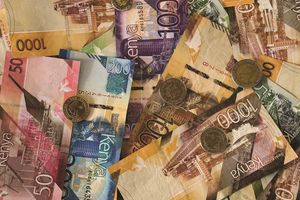
The current wave began on December 28, 2025 after a sharp collapse in the rial collided with already punishing inflation and daily scarcity. It started where Iranian pressure always becomes visible: commerce. Shopkeepers in Tehran’s Grand Bazaar shut their doors, and what began as economic panic rapidly mutated into political defiance — calls for dignity, freedom, and the fall of the clerical order.
It spread fast across all 31 provinces, and the response tightened just as fast: mass arrests, lethal force, and a nationwide internet blackout reported by monitors and covered by Reuters, the sort of “silence” that only happens when a government is afraid of coordination.
To understand why Iran keeps boiling over, you don’t begin with ideology. Begin with the ledger. Iran is living through the collision of internal rot and external pressure: mismanagement that never gets punished, corruption that looks permanent, and a political economy where powerful security institutions dominate large parts of business. The rial’s free fall is a referendum on the people’s patience in real time. Reuters has tracked repeated record lows, and analysts describe the currency as a “barometer of political fear,” because people don’t flee into dollars when they’re optimistic. They do it when they no longer trust tomorrow.
Then came the “snapback” — a word that sounds technical until you realise it’s a chokehold. In late 2025, the UN sanctions regime tied to the JCPOA (Joint Comprehensive Plan of Action) was reimposed after the snapback mechanism was invoked, and Europe reactivated a wide range of nuclear-related restrictive measures across trade, finance, and energy. Whatever your view on sanctions as a tool, timing matters: a squeeze landing on a brittle economy accelerates fear in the population, drains confidence from the market, and turns ordinary life into a daily emergency. When a government cannot offer prosperity, it tries to offer control. But control is expensive.
Now add the regional chessboard. Iran is not an isolated actor; it’s a central node in the Middle East’s security web — entangled with proxy networks, Gulf anxieties, Israel’s red lines, and America’s domestic politics. The 2025 Israel–Iran confrontation, and U.S. strikes on Iranian nuclear sites raised the stakes of every internal crisis. External and internal pressure boiling up at once transforms every street protest from “public order” to “national survival.”
This is why the world should care even if it has grown tired of caring. Iran sits beside the Strait of Hormuz, the world’s most important oil transit chokepoint. In 2024, oil flows through the strait averaged about 20 million barrels a day — roughly 20 percent of global petroleum liquids consumption.
In a calm year, that’s geography. In a turbulent year, it’s a global price tag. Markets don’t wait for speeches; they price risk instantly, and households everywhere end up paying the bill — at the pump, at the supermarket, in freight costs, in inflation expectations.
But the bigger issue is not only oil. It’s precedent. Iran’s unrest is a stress test of a modern authoritarian state’s operating system: can you maintain control when your population is young, connected, and fed up — and when your economy can’t keep the basic social contract alive? Observers call this a legitimacy crisis: a widening gulf between rulers and a young population that increasingly sees foreign adventurism as expensive theatre while their own lives shrink. That gap is where regimes crack, because legitimacy is harder to arrest than activists.
Geopolitically, this uprising is a powder keg in an era of bold U.S. leadership. President Trump’s January 2026 warning, “If Iran violently kills peaceful protesters... the United States will come to their rescue” in the wake of his abduction of Venezuela’s Maduro, signals a doctrine of intervention against rogue states.
Regime officials, from Army Chief Gen Amir Hatami to Chief Justice Gholam-Hossein Mohseni-Ejei, have decried this warning as meddling, accusing protesters of colluding with Washington and Tel Aviv. Yet Trump’s rhetoric amplifies internal dissent, giving protesters hope that, finally, their bully state has encountered an even bigger bully, while rattling allies like Russia and China, who’ve distanced themselves amid their own woes. A regime collapse could usher in a pro-Western government, curbing terrorism exports and opening Iran’s markets. But a brutal crackdown risks spillover: refugee waves into Turkey and Europe, or proxy escalations against U.S. interests.
Potential outcomes hinge entirely on momentum. If protests sustain, bolstered by worker strikes at refineries and bazaars, the regime might fracture, with defections accelerating as happened in Abdanan, where locals seized control. Pahlavi’s calls for a secular democracy also resonate across the country, bridging monarchists, reformists, and ethnic minorities into one movement. However, history warns of potential resilience: the 2009 Green Movement and 2019 fuel protests were crushed, killing hundreds.
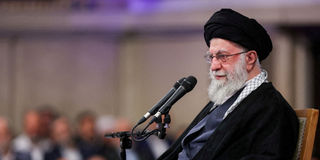
Khamenei’s edict to “put rioters in their place” also sounds eerily like a desire for escalation, but overreach could easily backfire, especially with external eyes watching.
What’s often missed is the human dimension. This isn’t abstract geopolitics; it is millions of Iranians enduring blackouts, empty shelves, and fear. Women, pivotal since Amini’s death, lead chants for dignity; youth, with no future in a stagnant economy, risk everything. Environmental collapse — drying lakes, dust storms — adds urgency, as does corruption siphoning public funds.
Iran’s turmoil tests the world’s resolve. Supporting protesters through targeted sanctions and information flows could tip the scales toward freedom. Ignoring it invites a more dangerous regime, armed and vengeful. As Tehran’s streets pulse with defiance, the global order hangs in the balance—one where a theocracy’s fall could ignite hope, or its survival breed endless conflict. The world watches, but the Iranians decide.