On January 26, the world marked the International Day of Clean Energy, a day established by the United Nations to “raise awareness and mobilise action for a just and inclusive transition to clean energy for the benefit of people and the planet. ”
Yet, the reality is that our governments are constantly choosing between the fossil energy of the past and the renewable energy of the future.
For Africa, the choice is stark. The energy of the past is extractive, expensive, and volatile, locking countries into cycles of debt, pollution, and dependence on imported fuels. The energy of the future is clean, distributed, and resilient, and built on the continent’s extraordinary endowment of sun, wind, water, and critical minerals, and anchored in African talent and innovation. The International Day of Clean Energy should invite us to consider this fork in the road: will Africa be a latecomer to someone else’s transition, or an architect of a new energy order?
There may be no brighter example to inspire us right now than the solar revolution underway in Pakistan. Over just three years, Pakistan’s share of solar power in its electricity mix more than tripled, making it one of Asia’s fastest-growing clean energy markets. What makes this transformation remarkable is that it wasn’t led by government policy or climate pledges. It was led by the people themselves.
Amid soaring electricity prices, unreliable grid power, and a flood of affordable Chinese-made panels, millions of households, farmers, and small businesses took matters into their own hands.
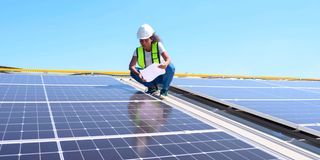
Solar panels now cover rooftops from Karachi to the villages of Sindh and Punjab, turning consumers into producers and giving communities control over their own energy future.
Entire villages are now powering irrigation pumps and fans with shared solar systems and families are gifting solar panels as part of wedding dowries.
Even Pakistan’s most remote regions are electrifying through community innovation. Pakistan’s story offers a powerful lesson for the global majority: the energy transition need not wait for top-down financing or perfect policy. When the economics align and barriers fall, clean energy can spread in a diffused, democratic, and unstoppable way. Africa, too, has all the ingredients for its own solar revolution. What remains is the confidence and finance to lead it, not as a follower of others’ transitions, but as a builder of a new, just, and resilient energy future.
At Davos this year, the same message echoed from a completely different stage, and the contrast between old assumptions and emerging realities could not have been clearer. In place of appeals for ever more aid or patience, President John Dramani Mahama used the Accra Reset to argue that the Global South must break its “triple dependency” on donors, volatile commodities, and external security guarantees, and instead finance its own infrastructure, capture more value from its resources, and deepen South–South cooperation.
In that light, the Accra Reset and Pakistan’s solar revolution are early blueprints for the kind of strategic autonomy and solidarity that Mahama argues is essential if Africa is to turn clean energy from a global slogan into a continental source of power, prosperity, and dignity.
Partnerships are central to Africa’s clean energy narrative. The International Day of Clean Energy coincides with the anniversary of the International Renewable Energy Agency (IRENA), which was founded in 2009 to support countries in their energy transitions and provide data, analysis, and a platform for international cooperation on clean energy.
Africa must leverage platforms such as IRENA, alongside emerging South‑South alliances and “coalitions of the willing,” to negotiate better technology transfer arrangements, co‑develop pilot projects, and shape standards for new sectors such as green hydrogen and battery value chains.
The partnerships that matter most will be those that see African countries, not as passive recipients or mere markets, but as co‑creators of solutions.
Africa’s realignment centres on developing regional clean energy networks for seamless power trade, expanding green skills and innovation ecosystems, securing fair global energy and trade rules that support African value addition, and building equitable partnerships on critical minerals, green hydrogen, and resilient, future-oriented supply chains.
The International Day of Clean Energy, with its focus on a just and inclusive transition, offers Africa a mirror and a map. The mirror reveals a world where old certainties have collapsed, and the illusion of benign hegemony has faded. The map points to a future where strategic autonomy, clean energy leadership, and human capital are the true sources of strength.
African leaders have the opportunity to be remembered for beginning an era when the continent harnessed its abundant clean energy potential to power prosperity, dignity, and shared resilience. The energy of the future is being built now.
Ms Mathai is the MD for Africa & Global Partnerships at the World Resources Institute and Chair of the Wangari Maathai Foundation