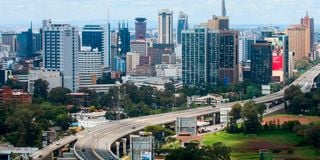
While French President Emmanuel Macron and African leaders were meeting and partying in Nairobi during last week’s Franco-Africa Summit, car thieves had other ideas: Target Toyota cars and snatch the front grilles during heavy traffic. This type of brazen acts of theft in public at a time when drivers are helpless in the ridiculous Nairobi Traffic makes you wonder if the capital will ever regain its safe and secure status.
Nairobi was secure, and its residents felt safe at some point. Then something gave, and Nairobbery became its Mohican. The nickname was rightfully earned as the city became the centre of violent carjackings and muggings. Credit to the police, the tag was swiftly relinquished, but security challenges remain in the city.
No one capital city is without its social problems, and Nairobi is no exception. The exception is in how to keep it safe and make sure that safety is maintained, not just for visitors but for residents, too.
Even a city like London is suffering what Nairobi did at one point with phone and watch snatching reported in the city like never before. Again, the difference is in how the police centralised its efforts in tackling the problem through funding and the use of technology such as facial recognition cameras to spot thieves and arrest them.
Cities must work for residents first! The administration in most of our cities tends to put visitors first, as if the residents voted to be ignored. The greatest freedom is being in your country and being able to leave home safely, enjoy your local streets safely and return home safely. Such freedoms are not guaranteed in many areas of our cities.
Security is something that is a two -tier system, like many aspects in Kenya. The wealthiest and well-connected—including politicians—are guaranteed security because the resources are focused on keeping them secure over those who live in areas that are poor.
While every politician is guaranteed a handful of bodyguards at a minimum, the only time police do patrols in poor neighbourhoods is to harass them.
The relationship between the police and the slum dwellers, for instance, is fraught because police assume poor areas are, by their definition, unsafe and filled with thieves. To minimise the threat posed by poor people to the affluent areas, the government would unleash police on them rather than tackle issues that cause insecurity in the first place, such as poverty and lack of economic opportunities.
Would ordinary Kenyans dare to run in the streets of Nairobi in normal hours? I think not. Firstly, they must contend with pollution from the heavy traffic that clogs the city. Secondly, there will be muggers around the corner lying in wait. Thirdly, they risk breaking their ankles by running on potholed roads and pavements.
A middle-class aspiring country should have facilities that encourage citizens to own their cities and streets by making sure they feel safe wherever they go. The cities should also be well manicured and paved to make it safe for walking, cycling and running. These privileges should not only come during the day but also at night too. A 24-hour economy does not succeed in an environment where people rush home early to avoid getting in trouble with muggers and carjackers.
Every street should be as well-lit at night as the State House was recently during the Franco-African Summit. While the summit was going on, I fretted over essential stuff like water and electricity, that was in abundance in hotels throughout the summit.
If the country can keep hotel lights on and water running for visitors for so long, why is it difficult to provide such essential services to the citizens constantly? Nairobi and Mombasa have the largest concentration of hotels, and the services in these major tourist towns should be seamless, but the residents continue to suffer prolonged water shortages and unreliable electricity supply.
The provision of security seems to be more of a reactive approach than proactive. The latter needs huge investment in terms of more police personnel and the latest technology. If residents are still expected to fuel the police car to get help, then we are still far from achieving the level of economic success that Kenya keeps dreaming of. Security and economic success go together.
If our cities were safe, clean and inspired many Kenyans to walk, cycle and run—who knows?—we may have produced even more Kipchoges by now and kept citizens healthy.
Many Kenyans take to their cars because it is the only safe way to get around in the absence of well-planned roads for walkers, runners, cyclists and a reliable public transport system. The success of the Franco-African summit is the reason to reimagine a better and more secure Nairobi.