There is a particular kind of silence that creeps in after the laughter fades. You scroll, you laugh, you send the meme to your group chat, and then you pause.
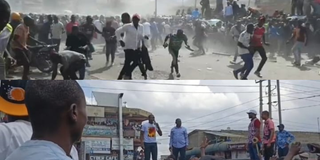
Somewhere between the joke and the next post, you remember that the clip you just remixed was about someone’s son who never came home, about someone’s daughter who was bundled into a car with no number plate, about a president who spoke casually about force as if it were an administrative routine. The laughter sits awkwardly in your throat.
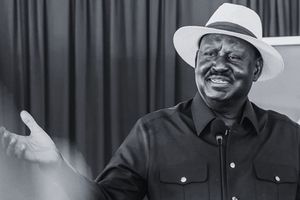
We are living in a country where politics has become performance, and performance has become currency. Every scandal births a thousand edits. Every outrageous statement becomes a trending sound. Every abuse of power is turned into a punchline before it can settle into collective rage. And increasingly, content creators are being called out for smoothing the sharp edges of what is happening through memes and satire.
The discomfort around this conversation is real because it touches on something sensitive: creativity is freedom. Many young people built their platforms on humour. Comedy pays rent. Satire feels safer than direct confrontation. For a generation raised online, memes are language. They are shorthand for emotion, resistance, and solidarity. Humour is also how many survive constant political tension. When the news cycle feels suffocating, a skit offers relief. Yet relief can morph into something else.
When diabolical behaviour by politicians is wrapped in catchy music and exaggerated reactions, it risks becoming aesthetic. A speech that should disturb the conscience becomes remix material. A violent directive becomes a joke template. The more it circulates in that form, the more it loses weight. The brutality remains in reality, but online, it starts to feel theatrical.
Satire has always been powerful. Programs like The Daily Show built reputations by dissecting political hypocrisy. Comedians across the world have exposed corruption with humour sharper than formal commentary. Even in African contexts, political cartoons have historically unsettled presidents more effectively than policy papers ever could. The difference lies in direction. Does the satire intensify scrutiny, or does it soften it?
Globally, we have watched how media ecosystems can turn dangerous figures into characters. During the rise of Donald Trump, many of his most alarming statements were treated as spectacle. He dominated headlines and late-night comedy. While satire mocked him, it also kept him constantly visible. The line between critique and entertainment blurred. Controversy became oxygen.
The pattern feels familiar. A leader says something outrageous. Outrage erupts. Creators remix it. The remix trends. The original gravity dissolves into humour. Within days, another scandal arrives and the cycle repeats. Predictability sets in. The abnormal becomes routine. And routine is dangerous.
When violence, corruption, and authoritarian language become recurring meme formats, public shock diminishes. Desensitisation does not arrive dramatically. It creeps in. The first time a leader speaks casually about force, people recoil. The fifth time, it becomes content. The tenth time, it barely interrupts dinner. Making evil look casual does not erase the evil. It makes it easier to tolerate.
At the same time, demanding that creators abandon satire entirely feels misguided. Many authentic skits mirror lived experiences with precision. A parody of a corrupt official demanding a bribe can crystallise public frustration. A comedic reenactment of broken campaign promises can reach audiences who would never read a policy analysis. Humour can travel where lectures cannot. The distinction lies in whether the content clarifies harm or conceals it.
An authentic skit often centres on the citizen. It shows the absurdity of power from the perspective of those affected. It leaves the audience thinking, not just laughing. It carries a sting. Sanitised satire, on the other hand, risks centring the politician as a quirky personality rather than a decision-maker whose actions carry consequences. It transforms accountability into entertainment.
There is also the question of proximity to pain. When families are grieving, when communities are organising funerals, when activists are documenting abuses, turning those same events into light content can feel jarring. Timing matters. Tone matters. Intention matters.
Freedom of expression remains fundamental. Creators should never be policed into uniform seriousness. Art thrives on diversity of voice. However, influence carries weight. A creator with hundreds of thousands of followers shapes perception. Algorithms amplify what is engaging, and humour engages quickly.
The audience also plays a role. Every share is an endorsement. Every like is reinforcement. If citizens amplify only the funniest takes and ignore substantive conversations, they build an ecosystem that prioritises comfort over confrontation. Cultural climate is collective.
Drawing the line, then, cannot be about rigid rules. It must be about ethical instinct. Before posting, a creator might ask: Does this trivialise harm? Would those directly affected feel reduced to a backdrop for engagement? Does this joke punch upward at power, or does it flatten suffering into aesthetic noise?
A country in political tension needs many voices. It needs investigative journalism. It needs a policy critique. It needs art. It even needs laughter. What it cannot afford is the normalisation of cruelty. When repression feels ordinary, resistance weakens. When misconduct feels predictable, accountability loses urgency.
We are navigating an era where politics and performance are inseparable. Leaders stage their appearances with full awareness of virality. Some understand that outrage fuels relevance. In that environment, satire must be sharper, not softer. It must illuminate consequences rather than decorate controversy. Laughter can disarm fear. It can also numb conscience. The difference rests in how it is wielded.
The line between desensitisation and resistance is thin and constantly shifting. It appears in moments of reflection, in the pause after the joke, in the discomfort that asks whether something sacred was turned into spectacle. It requires creators to sit with that discomfort rather than scroll past it.
We do not need a humourless revolution. We need intentional creativity. We need skits that expose systems rather than polish personalities. We need memes that mobilise thought rather than anaesthetise it. We need audiences who can laugh and still demand accountability in the same breath.
In the end, the question is simple, even if the answer is not: does this content make injustice harder to ignore, or easier to live with? The future of our civic culture may quietly hinge on that choice.