We were in a meeting when one of the older generation activists spoke, quietly and without theatrics, about how lucky we are. Lucky is not a word young activists use often in Kenya—not after the batons, bullets, abductions, court dates, and funerals. But he insisted. Today, when one of us is arrested, ten lawyers appear almost instantly—day or night.
Police stations fill with advocates, phones ring nonstop, and bail applications are drafted before the ink on the charge sheet can dry up. During their time, arrests happened in darkness. People were picked up quietly. Some were tortured. Some were murdered. Many disappeared.
Koigi Wa Wamwere, Rev Timothy Njoya, and Wangari Maathai’s accounts of these horrors live to confirm this. There was no livestreaming, no rapid legal response, no guarantee that anyone would even notice.
I did not need persuading. I have spent much of the past year moving through courtrooms and police stations where time slows, and anxiety settles heavily in the chest. I can say with certainty that surviving Kenya’s legal system demands stamina. Mentions drag on endlessly, files vanish, hearings are postponed, and prosecutors posture while police officers remind you how little power you have. The system is built to exhaust, to frustrate, to make resistance feel costly and lonely.
What made survival possible were the advocates, who showed up without being asked. Lawyers who left their offices and families late at night to sit on cold benches in police stations. Lawyers who placed themselves between young protestors and a system eager to crush dissent. They asked for nothing. They billed no one. They gave themselves fully because they understood that defending citizens from State overreach is an act of patriotism. That legal solidarity was one of the clearest expressions of collective resistance we witnessed last year.
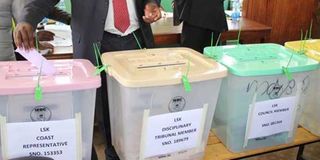
This is why the upcoming Law Society of Kenya presidential elections cannot be an internal professional matter. It is a national democratic question. LSK is not just a bar association; it has long been one of the few institutions capable of standing between citizens and unchecked executive power.
LSK’s independence matters. It matters when police cells are full. It matters when protestors face exaggerated charges. It matters when courts feel pressure and the Constitution is treated as optional rather than binding.
Let’s not sugarcoat it; democracy demands eternal vigilance against the internal threat of the capture of independent institutions by the executive. As Kenyans, we must wake up to how influential the LSK is. LSK nominees sit on state boards and public bodies. A compromised LSK grows cautious where courage is required and silent where clarity is needed. Under such weak leadership, boards are filled with loyalists rather than principled professionals.
LSK must continue to challenge unconstitutional actions and executive excesses in court. It should issue public statements and provide institutional backing for individual advocates to take bold positions. That backing matters. Without it, many cases would never be filed
As Kenya approaches the 2027 General Election, this mandate carries more weight. The LSK council elected now will serve during that election cycle. Historically, the president of LSK during an election year wields considerable influence through public interventions, legal action and moral authority. In moments of national uncertainty, such voices can steady the country or leave a dangerous vacuum.
This may sound institutional, but its impact is deeply personal. It is felt in police cells late at night, in court corridors at dawn, and in the quiet anxiety that settles in when the power of the state turns against ordinary citizens. In those moments, nothing matters more than whether the law will protect or punish, whether legal representation will arrive in time, and whether constitutional safeguards will hold under pressure.
The older activist was right. We are lucky. But luck is fragile. It depends on institutions that choose courage over comfort and principle over proximity to power. The legal solidarity we witnessed over the past year did not happen by chance. It existed because people within the LSK understood their responsibility not just to their profession, but to the country.
As the LSK heads into its polls, advocates must remember this history. This vote is not about personalities, friendships or convenience. It is about whether LSK remains independent, brave, and rooted in the Constitution. It is about whether legal protection will still be available for citizens, whether urgent applications will still be filed without hesitation, and whether the law will remain a shield rather than a weapon. Lawyers must vote with the Constitution in hand and with 2027 clearly in view. Kenya is watching, and lawyers will live with the consequences of their choice.
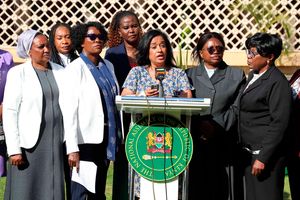
LSK’s leadership under current President Faith Odhiambo mattered. In moments when retreat would have been easier, she showed up. When silence would have been safer, she spoke. Her tenure was marked by courage, clarity, and an unwavering commitment to justice.
That kind of leadership demands sacrifice, and anyone paying attention understands the cost. She was everything the moment required, and more.
As her term comes to an end, she leaves behind big shoes to fill and a clear standard to meet. The hope is that whoever comes next will step into that role as an epitome of a justice defender, fully aware that leadership at LSK is measured not by proximity to power, but by fidelity to the Constitution and the courage to defend it when it matters most.