Major shipping lines serving Eastern Africa have announced commodities supply disruption following the ongoing Israel/US-Iran war, noting that it has introduced risk-related costs in their operations.
In their advisories, Maersk, CMA CGM, MSC said they were suspending all bookings for cargo to the Middle East, with vessels already in the affected areas being grounded.
“CMA, CGM advises that all vessels inside Gulf and bound to Gulf have been instructed with immediate effect to proceed to shelter. Passage through the Suez Canal has been suspended,” read a notice by the shipping line.
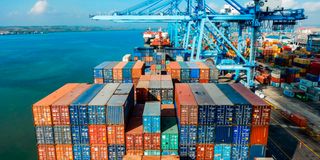
Shipping containers at the Port of Mombasa.
Photo credit: File | Nation Media Group
The shipping lines have also introduced emergency conflict surcharges of $20-$40 for 20-foot containers due to route changes and a subsequent increase in freight charges.
This means that Kenya’s tea and coffee exports will wait longer at the port of Mombasa as vessels reschedule their traffic, with the cost of petroleum products expected to increase significantly due to supply chain cuts.
Kenya Ships Agents Association (KSAA) CEO Elijah Mbaru said that the escalating Middle East conflict and the reported closure of the Strait of Hormuz is not just geopolitical noise but a structural shock to global supply chains, with oil prices expected to increase by nearly 20 percent, considering the route is a global crude oil corridor.
“We expect ocean freight surge for tankers, bulk and container lines and we expected longer transit times, which will lead to container imbalance and schedule unreliability. The factor will lead to spikes in oil prices, which could also increase the cost of food, transport, and fertilisers,” Mr Mbaru said.
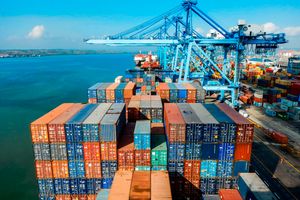
The port of Mombasa is a crucial facility for the East African region as it serves at least six countries.
Photo credit: File | Nation Media Group
On Sunday, an oil tanker, Skylight, was attacked near the Strait of Hormuz, amid the intensifying Middle East conflict. The Malta-flagged vessel was reportedly struck approximately five nautical miles north of Khasab Port, within Omani territorial waters at the entrance to the strait. The vessel caught fire, triggering an emergency maritime response from nearby ships and Omani search and rescue authorities.
All 20 crewmembers were safely evacuated but four sustained injuries and were transported ashore for medical treatment.
As the tensions escalate, the cost of goods is expected to increase, with some insurers withdrawing coverage for vessels entering the conflict region.
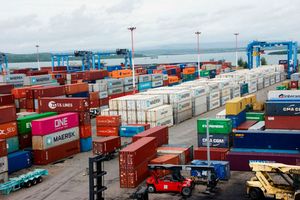
Shipping containers at the Port of Mombasa.
Photo credit: File | Nation Media Group
Shippers Council of Eastern Africa CEO Agayo Ogambi noted that the disruption coincides with the avocado season and will delay delivery of the perishable exports.
“Freight time will increase as vessels reroute via the Cape of Good Hope. The Red Sea, which connects to the Mediterranean, ensures that shipments from Mombasa reach Europe within 18-20 days. As a result of rerouting, it will take up to 45 days, and this will lead to cold-chain disruptions, higher rejection rates by buyers and financial losses for exporters,” Mr Ogambi said.
The Red Sea is one of the most crucial maritime trade corridors in the world, handling over 30 percent of the global shipping traffic.
Maritime expert Andrew Mwangura said the disruption will trigger global oil supply shocks, significantly raising energy prices even in countries not directly reliant on Gulf oil exports.