As Kenya marks the second anniversary of the deadly June 2024 protests, costly fuel has soared by upwards of Sh50 a litre, triggering sky-high inflation and stoking public outrage.
The Finance Bill, 2024, and high inflation costs were among the key reasons behind the protests that led to the death of scores of Kenyans as police used lethal force to quell the protests that led to the invasion and vandalism of Parliament.
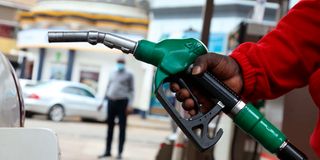
Prices of diesel have jumped by Sh49.76 over the two years to hit a record high of Sh232.86 per litre in Nairobi, while the cost of a litre of petrol has increased by Sh24.19 to Sh214.25.
The sky-high pump prices drove the inflation rate (measure of cost of living) to 6.7 percent last month – the highest since January 2024. The current inflation rate is within touching distance of the government’s preferred cap of 7.5 percent.
The escalating prices of fuel have led to a sharp jump in cost of living, with inflation hitting a two-year high of 6.7 percent – the highest in slightly over two years.
Photo credit: File | Nation Media Group
A combination of tax increment and the Middle East war has triggered the surge in local pump prices, with a subsidy that the government applies to lower fuel prices doing little to cushion consumers against costly fuel.
The government increased the Road Maintenance Levy (RML) on a litre of diesel and petrol by Sh7 to Sh25 from July 2024, barely a month after the deadly protests.
The increase in the levy means that the current pump prices could be lower by Sh7 per litre on the basis of the RML alone.
The outbreak of the Middle East conflict in February this year led to a rally in global prices of refined fuel mainly due to supply hitches and the closure of the critical Strait of Hormuz.
The escalating prices of fuel have led to a sharp jump in cost of living, with inflation (measure of cost of living) hitting a two-year high of 6.7 percent – the highest in slightly over two years.
The sky-high inflation has done little to ease public outrage, leaving the government in a tight corner amid fears that a further rise in prices of fuel and electricity could push Kenyans to the edge.
The government has largely blamed the costly fuel on the Middle East war amid a simmering public uproar over the steep energy prices.
The costly fuel has led to a runaway inflation rate, leaving the government in a dilemma and triggering this month’s decision to freeze a planned review of electricity tariffs.
The new electricity tariffs were set to kick in from July 1, 2026, and could have hit homes and businesses with higher power bills.
The impact of the costly fuel reared its ugly head last month when public service transporters staged a two-day strike, forcing the government to lower diesel prices by Sh10 a litre.
However, the Sh10 drop did little, as fares that public transporters charge and other costs of services and goods surged as service providers and manufacturers factored the costly fuel into the final prices of their products and services.