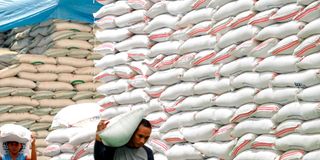
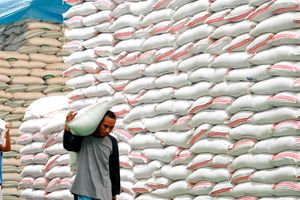
Rice, sugar and milk topped the commodities informally imported into Kenya in the year to June 2025, disclosures show, as supply constraints and strong domestic demand drove increased reliance on cross-border trade to supplement local supplies.
The three commodities accounted for over a quarter of the Sh573 million worth of goods imported into Kenya outside official channels, including through porous border points by small-scale traders and potentially smugglers seeking to evade tax payments.
A new survey by the Kenya National Bureau of Statistics (KNBS) revealed that rice worth Sh63 million, Sh45 million worth of sugar, and Sh37 million worth of milk were informally imported into the country during the period.
Kenya experienced a mild to severe shortage of the three food commodities during the period, driving greater reliance on informal cross-border trade, which avoids any non-tariff barriers and formal declaration channels that may impede the trading process.
KNBS Director-General Macdonald Obudho said the informal cross-border trade is essential to the country’s food security, especially in periods of drought, shortage or limited production.
“Informal cross-border trade contributes to macroeconomic stability and social development by enhancing food security and generating income, particularly for rural populations,” he said.
“When effectively harnessed, it has the potential to complement Africa’s ongoing efforts towards poverty reduction and sustainable economic growth.”
Kenya National Bureau of Statistics Director-General Dr Macdonald Obudho makes his remarks during the launch of the Economic Survey 2025 in Nairobi on May 6, 2025.
Photo credit: Francis Nderitu | Nation Media Group
During the period, a drop in cane production severely strained millers’ sugar production, causing prices to soar, with imports rising by about 90 percent to 608,178 tonnes. The shortage may have triggered a surge in informal sugar imports, with Kenya now auditing its informal cross-border sugar trade amid severe market distortions, which are affecting pricing and revenue collections.
“The industry faces severe market distortions and inefficiencies, primarily due to unregulated cross-border trade. Kenya remains a net importer, producing approximately 72 per cent of its domestic sugar requirement in 2024, and the market remains vulnerable to illegal sugar inflows through porous borders, weak traceability systems and significant price disparities,” the Kenya Sugar Board said in a brief.
“This informal trade undermines local producers, distorts prices, discourages investment and results in substantial loss of government revenue,” it added.
A rice shortage was also reported, with Agriculture Cabinet Secretary Mutahi Kagwe allowing the duty-free importation of 500,000 tonnes of rice from outside the East African Community.
Informal milk imports may also have helped plug a production deficit, especially in North-Eastern Kenya, where prolonged droughts left livestock dead and milk production low. Somalia, which borders that region of the country, accounted for the bulk of the informal milk imports.
Some 10 commodities, including rice, sugar and milk, accounted for over half of all informal imports recorded during the period, according to the KNBS survey, conducted in December 2024 and June 2025.
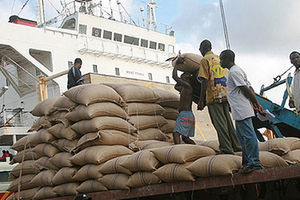
Workers offload maize that arrived at the Mombasa port. The government will import up to 25 million bags of maize this season.
Photo credit: File
These included cattle, goats, cooking oil, fish, beans, maize, and new shoes. Other top informal imports included oranges, groundnuts, maize flour, pasta, new women’s clothes, mangoes, cassava, millet, and packaging sacks and bags.
Tanzania was the leading source of rice informally imported into the country, accounting for 43 per cent of all informal rice imports to Kenya, with the rest coming from Somalia and Ethiopia.
Undeclared sugar imports came from Somalia and Ethiopia, as did the bulk of milk imported informally into the country in the 12 months, according to KNBS’s estimates. Milk was actually the leading informal import from Somalia during the period.
Uganda largely accounted for informal fish imports, with other commodities coming from the country including groundnuts, cassava, packaging bags, bananas, and other fruits.
The survey shows that Kenya was not just a destination of informal trade; it was also a source, with total informal exports during the period hitting Sh618 million, beating informal imports.