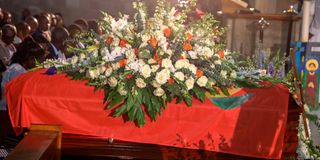
For decades, Saturdays and Sundays were the customary burial days across Western Kenya, accommodating everyone from high-ranking public figures to ordinary citizens.
Being weekend days, they allowed relatives, friends and colleagues ample time to gather and mourn.
The only exceptions were certain religious groups such as Muslims, Hindus and followers of some African-initiated churches who observed different burial customs.
However, the onset of the Covid-19 pandemic marked a turning point.
The Ministry of Health imposed strict protocols including mandatory burials within 72 hours, limited attendance and oversight by local authorities. In the aftermath, burial traditions began shifting quietly.
Today, many Kenyan families especially in Southern Nyanza are increasingly opting for weekday funerals driven by religious preferences and financial constraints.
Among the Luo community, weekday burials have become more common. Cultural practices, church schedules and logistical considerations now influence funeral planning with Mondays, Thursdays and Fridays emerging as preferred days.
Dorine Otieno, a resident of Buoye in Kisumu, shared how she had to adjust her expectations while arranging her mother’s burial.
“I naturally assumed Saturday would be the burial day. But when we consulted the parish priest in Siaya, we were informed that Saturdays are best reserved for Sunday Mass preparations,” said Ms Otieno.
Though disappointed knowing many friends wouldn’t be able to attend, she had no choice.
Caroline Okungu, director of Gephok Catering Agencies, noted a marked shift in client preferences.
Caskets bearing the bodies of the nine family members during the funeral service at Ninga Primary School in Sigomre, Ugunja Sub County on May 9, 2025.
Photo credit: Kassim Adinasi | Nation Media Group
“In Homa Bay and Migori counties, most clients now opt for weekday funerals particularly Thursdays and Fridays. This accommodates both Seventh-day Adventists and Sunday worshippers,” she said.
In Siaya County and much of the Western region, mourners increasingly prefer Friday burials largely due to cost concerns.
“On Saturdays, entire villages including students tend to attend which significantly increases catering and logistical costs,” said Ms Okungu.
A study by Ipsos commissioned by the Association of Kenya Insurers found that the average funeral budget for a middle-class Kenyan family ranges from Sh50,000 to Sh300,000. In Western and Nyanza regions, cultural expectations of generous hospitality can push this figure above Sh500,000 just for food.
Customs among communities such as the Luo require that the deceased be buried in their ancestral home, regardless of where they died. This often means transporting bodies long distances or even internationally driving up costs further.
These entrenched customs have fueled a growing funeral economy. Still, the shift to weekday burials is causing tension within families and communities.
Janet Omollo, a Kisumu resident, recalled how she missed her aunt’s funeral in February in Awendo, Migori County.
“She was a Seventh-day Adventist so Saturday and Sunday were ruled out. The family chose Friday but I had an evening exam and could not travel. Missing the funeral caused tension with some relatives,” she said.
To make amends, she later visited the family privately to pay her respects.
Church leaders across the region confirm this evolving trend with Pastor Rei Kesis of Kamagambo Adventist Mission Centre said weekend burials compromise the sanctity of the Sabbath.
“For a weekend burial to occur, the family must collect the body on Friday or Saturday, hold an overnight vigil and bury the next day. These activities already encroach upon Sabbath hours,” he said.
President William Ruto, ODM leader Raila Odinga and Siaya Governor James Orengo during the burial service of George Oduor at Ramba High School in Siaya County on April 12, 2025.
Photo credit: Alex Odhiambo | Nation Media Group
He added that while the church encourages Friday burials, they often run into Sabbath time which begins at 6pm.
“The church now advises members to collect the body on Sunday and bury on Monday or collect it Wednesday and bury on Thursday,” he said.
Rev Fr Fredrick Odhiambo of St Joseph Milimani parish in Kisumu noted that while the Archdiocese of Kisumu discourages Sunday burials, the actual day is left to mutual agreement between the family and parish priest.
“In some dioceses like Homa Bay, Friday is preferred but it depends on the case,” he said.
“Some families choose Saturdays for convenience while others prefer weekdays to free up weekends for personal or church activities. There's no hard rule, though weekday funerals are increasingly common,” he said.