June 6 began like any other day for 17-year-old Faridah Changawa: quiet and familiar, with no indication of the tragedy that awaited her.
She went about her usual routine of taking care of her nine-month-old baby and helping with chores around the homestead. There was not the slightest hint that danger was lurking or that a knife would cut her life short so abruptly.
She lived with her mother, aunt, grandparents and younger siblings in Mferejini village in the Kijipwa area of Kilifi County.
But as evening approached, tragedy struck in the cruellest way possible. Testifying in the murder trial of Lewis Kazungu Charo, Ms Wambua recounted the events of that night. “Around 6pm, Changawa prepared supper. She served everyone, but before she could serve herself, Charo arrived,” she told the court.
Charo was no stranger. He had worked on the family’s farm for six months, tapping palm wine from coconut trees. During this time, the two had become acquainted.
When Charo arrived, the pair stepped aside from the rest of the family. Changawa served him food, and the two ate while talking, though the family could not hear their conversation.
Ms Wambua said they spoke for nearly an hour, with no signs of disagreement. After the meal, Changawa gathered the utensils.
“After about 20 minutes, we heard a scream from the direction they had taken. Moments later, we saw her running towards us before she collapsed. She said nothing. She had been stabbed, and the knife was still lodged in her neck,” she testified.
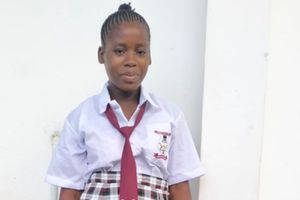
Farida Kazdo Changawa, the 17-year-old Kilifi schoolgirl who was killed by a wine tapper.
Photo credit: Courtesy
Upon receiving a call that a man had killed his girlfriend, the administrator instructed those at the scene to restrain the suspect until the police arrived.
“I was told he’d been found after briefly disappearing following the murder. I was informed that he had a rope and intended to take his own life. I told them not to allow it,” Mr Kilumo said.
Tinga Mwachiro Kiti, Changawa’s grandfather, recounted the heartbreaking moment when he identified her body at Kilifi Sub-County Hospital mortuary. He recognised her by her facial features ahead of the post-mortem examination on June 12, six days after her killing.
“I had been away from home on the night she was killed. I returned the next day to find the whole village engulfed in grief,” Mr Kiti said.
Prosecutors Ngiri Wangui and Frank Sirima informed the court that the defence had changed its position and now sought plea negotiations.
Lewis Kazungu Charo (right) at the High Court in Mombasa on November 25, 2025. Charo is charged with the murder of 17-year-old Faridah Changawa.
Photo credit: Brian Ocharo | Nation Media Group
Through his lawyer, Swanya Vincent, Charo said he was ready to cooperate fully and abide by the agreed terms. However, the family’s lawyer, Duncan Osoro, emphasised that the victim’s relatives must be consulted before any agreement is reached.
Justice Micheni suspended the trial to allow discussions between the State, the victim’s family and the accused.
Changawa was an underage mother. The International Justice Mission (IJM) had returned her to school last year and was supporting her education and her baby’s welfare.
This was not the first time she had encountered gender-based violence. In 2020, she survived a defilement case and received support from IJM, which ensured she resumed her studies.
Farida Kazdo Changawa, the 17-year-old Kilifi schoolgirl who was killed by a wine tapper.
Photo credit: Courtesy