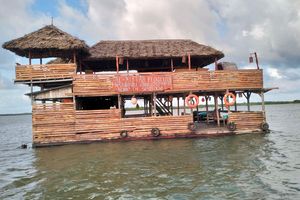
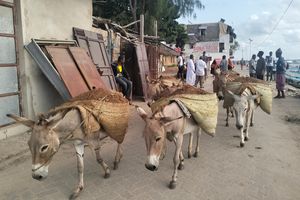
Lamu’s identity is fast shifting from a centuries-old fishing and tourism hub to an industrial region.
For decades, Lamu was known for its pristine beaches, rich fishing grounds, and heritage. The historic Lamu Town, one of Kenya’s oldest settlements and a UNESCO World Heritage Site since 2001, is celebrated for its Swahili architecture and culture.
Since 2010, however, mega infrastructure projects and new industries have begun reshaping the region’s economic future. At the heart of this transformation is the Lamu Port in Kililana, Lamu West. The first three of its planned 32 berths cost the government Sh55 billion and form part of the Sh2.5 trillion Lamu Port-South Sudan-Ethiopia Transport (Lapsset) Corridor.
Construction began in 2016, and the port was officially commissioned on May 20, 2021. Since then, more than 110 ships have docked. Beyond shipping, several industries are taking root.
The Sh1 billion Cotton Ginnery in Bahati, Mpeketoni, funded by a UK government grant, Kenya Development Corporation (KDC), and commercial loans, is set for completion in November 2025. It will support 10,000 farmers, triple cotton output in Lamu, and generate jobs for local youth.
A section of the Lamu Port site in Kililana, Lamu West on June 5,2025.
Photo credit: Kalume Kazungu | Nation Media Group
“This particular partnership directly supports GoK’s textiles and garments national development priority by reducing reliance on foreign imports which currently make up around 90 percent of cotton in the country,” Investment, Trade and Industry Cabinet Secretary Lee Kinyanjui said.
Kenya currently produces only 3,000 bales of cotton annually against a demand of up to 260,000, making the ginnery a potential game changer.
Other investments include the Hindi Cashew Nut Processing Factory, which begun in March 2024, expected to create 1,000 jobs, the Diamond Seafood Fish Processing Plant for export markets, and the upcoming Kentaste Coconut Milk and Cream Factory in Mkunumbi.
Principal Secretary for Investment Promotion Abubakar Hassan confirmed the projects are supported by UK grants under the Industrial De-Risking Finance Program. He noted that KDC has already disbursed Sh250 million to Thika Cloth Mills to support the ginnery.
“I can attest that the national government under the stewardship of President William Ruto has done a lot for Lamu. From gazettement of Lapsset SEZ to various industries launched in the county in recent times,” he said.
A commemorative plaque at the construction site of Lamu Cotton Ginning and Oil Extraction Plant on April 30, 2025.
Photo credit: Courtesy
Under the Lapsset Special Economic Zone (SEZ), two new investments are being finalised. These are a tuna fish processing plant and a seawater desalination facility under a Public-Private Partnership (PPP). The SEZs aim to boost production, promote value addition, attract investors, and support SMEs and innovation.
Lapsset Coast Regional Manager, Salim Bunu, emphasised the port’s strategic role.
“The port’s deep-water capacity and modern infrastructure have attracted increased interest from international shipping lines. Once complete, Lapsset access roads will greatly enhance connectivity to inland markets in northern Kenya, Ethiopia, and South Sudan,” he said.
Local leaders echoed this optimism. Governor Issa Timamy lauded the investments for creating jobs and opportunities, while County Commissioner Wesley Koech stressed that peace and stability remain central to attracting investors and tourists.
“Such crucial industrial, trade and transport investments in Lamu have positive social impact to our region. They place a significant emphasis on providing substantial economic opportunities, including employment to our local youth,” said Mr Timamy.
According to the government, these measures are also meant to open up the remote parts of the county where Al-Shabaab militants have been taking advantage to attack villages and security forces.