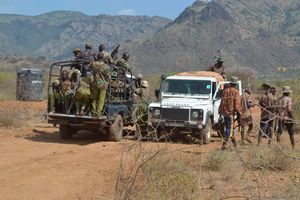
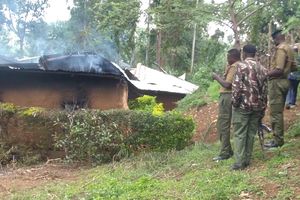
Caption for the landscape image: Vigilantes of the South Rift: Why mob justice surging across four counties Monday, December 29, 2025 Scroll down to read the article The South Rift region is grappling with a violent wave of "mob justice," where crowds are increasingly acting as prosecutor and executioner. Photo credit: Shutterstock By Eric Matara Correspondent Nation Media Group Article Related The mob attacked the two with stones and clubs, effectively acting as prosecutor, witness, judge, jury and executioner before police could arrive. Whether they were guilty remains secondary, as justice was served on the spot. PREMIUM From lynching to life sentences: Kenya’s losing battle against boda boda violence Despite stiff prison sentences, the wave of violent incidents involving motorcycle operators continues unabated. PREMIUM Concern as bandits return to haunt motorists along the Kapenguria-Lodwar road Armed bandits target public service vehicles and long-distance trucks. PREMIUM Vigilantes rise as Turkana becomes new human trafficking hotspot Marsabit and Turkana border Ethiopia, a known transit route for illegal immigrants from Eritrea. PREMIUM Revenge killings in Kisii evoke memories of murderous vigilantes Killings appeared to have been executed by a self-styled vigilante on a revenge mission. PREMIUM Chinkororo: The return of vigilante gangs in Kisii, Nyamira The outlawed group always resurfaces in Kisii from time to time, depending on the occasion and prevailing political climate. . Recommended for you PREMIUM Hospital sued after twins born at 27 weeks, one dies, one loses his vision PREMIUM Court strikes out junior school teachers’ bid to break away from Kuppet, Knut PREMIUM Why Uhuru skipped Raila’s anniversary event PREMIUM Fires await Gachagua on return from US trip Login to join the discussion Please enable JavaScript to view the comments powered by Disqus. In the headlines Elections News Counties Business Opinion Sports Life & Style Health Podcasts Photos Newsletters Puzzles PREMIUM Court exposes officials in failed bid to seize Nakuru War Memorial Hospital Officials are accused of acting on instructions from powerful individuals. Ruto on New KCC: Let farmers run it The government has injected Sh8 billion into New KCC over the past three years. PREMIUM Hospital sued after twins born at 27 weeks, one dies, one loses his vision Father sued the hospital alleging that doctors failed to conduct mandatory screenings.
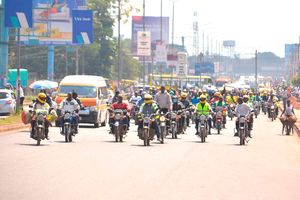
PREMIUM From lynching to life sentences: Kenya’s losing battle against boda boda violence Despite stiff prison sentences, the wave of violent incidents involving motorcycle operators continues unabated.
PREMIUM Concern as bandits return to haunt motorists along the Kapenguria-Lodwar road Armed bandits target public service vehicles and long-distance trucks.
PREMIUM Vigilantes rise as Turkana becomes new human trafficking hotspot Marsabit and Turkana border Ethiopia, a known transit route for illegal immigrants from Eritrea.
PREMIUM Revenge killings in Kisii evoke memories of murderous vigilantes Killings appeared to have been executed by a self-styled vigilante on a revenge mission.
PREMIUM Chinkororo: The return of vigilante gangs in Kisii, Nyamira The outlawed group always resurfaces in Kisii from time to time, depending on the occasion and prevailing political climate.
PREMIUM Court exposes officials in failed bid to seize Nakuru War Memorial Hospital Officials are accused of acting on instructions from powerful individuals.
Ruto on New KCC: Let farmers run it The government has injected Sh8 billion into New KCC over the past three years.
PREMIUM Hospital sued after twins born at 27 weeks, one dies, one loses his vision Father sued the hospital alleging that doctors failed to conduct mandatory screenings.