Why childhood cancer is diagnosed late, and what can be done about it
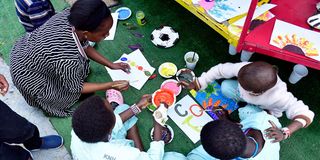
Children battling cancer at Kenyatta National Hospital’s oncology Ward 1E take part in an art therapy class on September 18., 2025

What you need to know:
- Kenya records approximately 3,000 new childhood cancer cases annually.
Children with cancer in Kenya often wait weeks for a diagnosis and the start of treatment, with funding shortages and long distances to specialised hospitals compounding the delays.
A new study found that more than 70 per cent of caregivers interviewed had household incomes below Sh20,000 a month, highlighting the financial burden families face when seeking treatment.
The findings are from the report titled Factors Influencing the Health-Seeking Behaviour of Caregivers of Children with Cancer in Kenya, conducted by Gertrude’s Children’s Hospital in partnership with St Jude Children’s Research Hospital.
The study found a median wait of 46 days between caregivers recognising symptoms and a child receiving a diagnosis, followed by a further 11 days before treatment began.
Around half of the caregivers interviewed were unemployed. Although many had some form of health financing, gaps in insurance coverage and the cost of treatment remained major obstacles to care.
Some families also travelled long distances to access specialised services, with the longest recorded journey spanning 981 kilometres. Transport costs, diagnostic tests and treatment expenses added to these challenges, while some caregivers moved between hospitals in search of an accurate diagnosis and the necessary tests and specialist care.
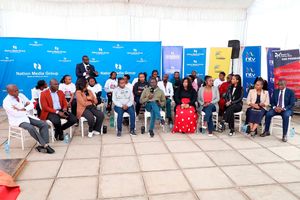
Presenting the preliminary findings at a stakeholder workshop in Nairobi, Dr Doreen Karimi Mutua, a paediatric haematologist-oncologist at Gertrude’s Children’s Hospital and the study’s principal investigator, said financial, geographical, social and health system barriers affected how quickly children accessed care.
“Early diagnosis is critical to improving childhood cancer outcomes, but we must recognise the realities families face when trying to access care. Financial constraints, long distances to specialised facilities and limited awareness of childhood cancer can all delay the process of recognising symptoms, receiving a diagnosis and starting treatment,” she said.
Another challenge was awareness of childhood cancer. Almost half of the caregivers interviewed had never heard of the disease before their child fell ill.
The study also found that social networks, cultural beliefs and alternative treatment practices influenced caregivers’ decisions about seeking medical help.
Childhood cancers include leukaemia, which affects blood-forming tissues; brain tumours and other tumours of the central nervous system; and lymphomas, which affect the lymphatic system.
Kenya records approximately 3,000 new childhood cancer cases annually.
The World Health Organization estimates that approximately 400,000 children and adolescents aged 0–19 years are diagnosed with cancer worldwide each year.
In high-income countries, more than 80 per cent of children with cancer survive, compared with fewer than 30 per cent in low- and middle-income countries.
Many childhood cancers can be cured if diagnosed and treated promptly, but delays in diagnosis and limited access to treatment remain challenges.
Joyfrida Chepchumba, technical lead at the Ministry of Health’s National Cancer Control Programme, said better coordination was needed to address these delays.
“Improving childhood cancer outcomes requires a coordinated effort. We need to bring together healthcare providers, government institutions, community leaders and other stakeholders to address the gaps that delay diagnosis and treatment. By sharing knowledge and aligning our efforts, we can develop solutions that address the realities families face and help more children access timely care,” Dr Chepchumba said.