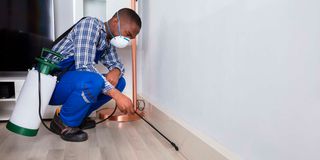
A house can look flawless on the outside with freshly painted walls, polished floors and an immaculate roof yet be slowly falling apart from within.
According to contractor and Director at Space Consult, Kelvin Laichena, some of the greatest threats to residential property are rarely visible during routine inspections.
Behind walls, beneath floors and inside roof spaces, termites, rodents, cockroaches and other pests quietly destroy structural components, electrical systems and finishes, often going unnoticed until repair costs become overwhelming.
“The mistake many homeowners make is treating pests as a housekeeping issue, but in reality, recurring infestations are usually symptoms of poor building design, construction defects or inadequate maintenance. By the time the pests become visible, the building may already have suffered significant damage,” Laichena tells DN2 Property.
As Kenya experiences a construction boom driven by rapid urbanisation and growing demand for housing, experts say pest management should no longer be viewed as something that happens after occupation. Instead, it should be considered during planning, design, construction and throughout the life of the building.
From termites weakening roof structures to rodents chewing electrical cables and cockroaches spreading rapidly through apartment blocks, the hidden cost of pest infestations is becoming an increasingly expensive burden for homeowners, landlords and developers.
Pests begin with poor construction
Laichena says pest infestations are rarely caused by a single factor. Instead, they often originate from several avoidable mistakes made long before the homeowner receives the keys. One of the biggest problems, he explains, is poor site preparation.
“Sometimes contractors begin construction without properly clearing tree stumps, roots, buried timber or organic debris. These become food sources beneath the building and eventually attract termite colonies.”
In some projects, leftover timber formwork, timber offcuts and construction waste are buried during backfilling to save time or disposal costs.
Although hidden underground, this organic material provides an ideal breeding environment for termites.
“The infestation begins beneath the building before anyone has even moved in,” he says.
Poor workmanship also contributes significantly. Buildings with unfinished joints, poorly compacted backfill, weak concrete or early cracking create concealed pathways through which pests can travel unnoticed.
Kelvin Laichena is a contractor and Director at Space Consult.
Photo credit: Pool
Another common mistake involves inadequate detailing around the building envelope. Small gaps beneath doors, poorly sealed window frames, exposed plumbing penetrations and electrical service openings provide convenient entry points for rodents, cockroaches and insects.
“Many homeowners concentrate on finishes such as tiles or paint but overlook these small construction details. Unfortunately, pests don't need large openings. Even the smallest gaps are enough,” says Laichena.
If poor construction creates entry points, moisture provides the perfect environment for pests to thrive.
According to Laichena, houses with persistent dampness almost always experience recurring infestations unless the underlying architectural defects are corrected. Poor roof detailing, leaking plumbing, blocked drainage systems and inadequate ventilation trap moisture inside buildings, creating ideal breeding conditions for termites, cockroaches and mould.
“Pests require three basic things - food, moisture and access. When those three conditions exist together, infestations become almost inevitable,” he explains.
Water collecting around foundations because of poor drainage increases soil moisture, making conditions favourable for subterranean termites.
Inside the house, kitchens, bathrooms and poorly ventilated roof spaces remain humid for long periods, encouraging cockroaches and other insects. Laichena says many homeowners focus on chemical treatments while ignoring the moisture problem that caused the infestation in the first place.
Pest infestations often originate from several avoidable mistakes made long before the homeowner receives the keys.
Photo credit: Shutterstock
“You can spray pesticides repeatedly, but if leaking pipes or poor drainage remain unresolved, the pests simply return.”
The encouraging news is that effective pest prevention does not require expensive technology. Instead, it begins with thoughtful design and proper workmanship. One of the first investments developers should make is proper drainage. Ground surfaces should slope away from the building while downpipes and surface drains should discharge water away from foundations.
“Managing water properly is one of the cheapest ways to reduce future pest problems,” Laichena advises.
Where timber must be used, it should be pressure-treated before installation. Laichena recommends the Chromated Copper Arsenate (CCA) pressure-treated timber meeting the relevant Kenyan standards for structural applications, noting that the additional cost is modest compared to replacing termite-damaged roof trusses several years later. He also recommends anti-termite soil treatment before floor slabs are cast. Treating the cleared subgrade, foundation walls and service entry points before construction costs a fraction of what homeowners eventually spend repairing termite damage.
Preventive treatment may cost only a small amount per square metre, but replacing an entire roof structure can easily run into hundreds of thousands of shillings. Physical anti-termite membranes beneath ground floor slabs and continuous damp-proof and termite barriers around foundations provide additional protection.
One of the greatest misconceptions homeowners have is underestimating how little space pests require. A mouse can squeeze through an opening measuring approximately six millimetres, while rats need only about 12 millimetres.
Because of this, Laichena recommends installing stainless steel mesh over vents, eaves and weep holes while ensuring door sweeps leave minimal clearance beneath entrance doors.
Cockroaches require even less space. He notes that they typically breed inside concealed cavities behind kitchen cabinets, skirting boards and plumbing installations. To reduce these hiding places, Laichena recommends sealed skirting, enclosed pipe boxing with removable inspection panels and eliminating unnecessary service voids behind fitted kitchens.
Kenya's growing number of apartment developments introduces another layer of complexity. Unlike standalone homes, apartment blocks share refuse rooms, drainage systems, utility shafts and service ducts, allowing pests to move easily between units.
“In high-density housing, one neglected apartment can affect an entire floor,” says Laichena.
The hidden cost of pest infestations is becoming an increasingly expensive burden for homeowners, landlords and developers.
Photo credit: Shutterstock
Poorly designed refuse collection areas are particularly problematic. Without proper ventilation, washable finishes, self-closing doors and effective drainage, refuse rooms quickly become breeding grounds for cockroaches and rodents.
Developers should also pay closer attention to service risers. Proper fire-stopping within utility shafts not only improves fire safety but also acts as an effective barrier against pests travelling between apartments.
Landscaping is another overlooked issue. Trees, shrubs and climbing plants positioned directly against external walls create bridges for rodents and insects while trapping moisture around buildings.
Choosing the right materials
Material selection also influences how vulnerable a building becomes. Masonry, reinforced concrete, steel framing and fibre-cement products generally provide greater resistance to pests than untreated timber. However, Laichena cautions that material selection must also consider environmental conditions.
While steel framing is immune to termite attack, buildings in coastal areas require galvanised steel because of increased corrosion from humidity. Similarly, treated timber remains an excellent roofing material but only if it is protected from prolonged moisture exposure and never placed in direct contact with soil.
“The material itself is only part of the solution. Correct installation and ongoing maintenance remain equally important,” he explains.
For landlords, pest infestations quickly translate into financial losses.
David Wanjala, a property manager with more than 10 years' experience managing residential developments in Nairobi, says the most common pests encountered in rental properties include termites, rodents, cockroaches, bedbugs, mosquitoes and ants. Each presents unique challenges.
“Termites damage timber structures, rodents destroy electrical wiring, cockroaches create hygiene concerns, while bedbugs often lead to tenant complaints and vacancies,” he says.
Beyond repair costs, severe infestations lower tenant satisfaction and may reduce the market value of a property.
“In today's competitive rental market, tenants will not tolerate recurring pest problems.”
David Manali Wanjala, Director of Merit Properties Ltd.
Photo credit: Pool
Wanjala says that a significant portion of annual maintenance budgets is dedicated to pest management. Among the most expensive repairs are replacing termite-damaged roofing timber and repairing rodent-damaged electrical systems. Both require skilled labour, specialised inspections and, in some cases, temporary relocation of tenants while repairs are completed.
Many landlords wonder why pests return even after professional extermination. Wanjala lists poor drainage, leaking plumbing, cracks in walls, inadequate maintenance, poor waste management and tenant behaviour.
“Treating only the insects without correcting the building defects rarely solves the problem,” he says.
Tenant practices also matter. Improper food storage, overflowing rubbish bins, poor housekeeping and delayed reporting of infestations allow pest populations to grow rapidly. Similarly, landlords who ignore leaking roofs, cracked walls or damaged drainage systems unknowingly create ideal environments for pests.
Landlords are generally expected to repair structural defects, maintain drainage systems, seal cracks, address major infestations and organise routine pest control while tenants are responsible for maintaining cleanliness, storing food properly, disposing of waste appropriately and reporting pest activity promptly.
Clear communication between both parties reduces disputes while ensuring problems are addressed before they become costly.
Laichena advises prospective homeowners not to be distracted by cosmetic finishes during property viewings, rather, inspect carefully for signs that may indicate hidden structural damage. Mud tubes climbing foundation walls often signal termite activity. Hollow-sounding timber, sagging roof members, damaged skirting boards, peeling paint, mould growth, moisture stains and doors that suddenly become difficult to open may all point to underlying problems.
Outside the building, buyers should examine drainage patterns, look for standing water, inspect retaining walls and ensure vegetation is not growing directly against external walls. Where possible, engaging a qualified architect, structural engineer or building inspector before purchase can save homeowners substantial repair costs later.
“The inspection fee is insignificant compared to discovering major structural damage after you've already bought the property,” says Laichena.