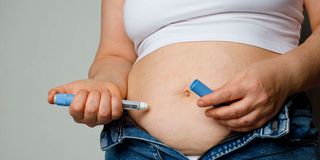
From “Ozempic face” to “Ozempic butt”, the physical effects of rapid weight loss have become part of conversations on social media. Now, another intimate concern is entering the conversation — ‘Ozempic vagina’ or ‘Ozempic vulva’, terms used to describe reduced fullness and sagging around the external genital area.
As more women turn to GLP-1-based medications such as Wegovy, Ozempic and Mounjaro, questions are emerging about whether they change the female organ, or is it simply the body’s response to losing fat?
Dr Karen Muthembwa, an obstetrician and gynaecologist at Nanyuki Teaching and Referral Hospital, says the changes are not exclusive to the weight loss drugs. They can occur with significant weight loss, regardless of the method used.
“The vulva is not exempt from weight loss. When you lose fat, every part of the body that contains fat can lose some of it, including the area around the vulva,” she explains.
She clarifies that the vulva refers to the external genital structures, while the vagina is the internal muscular canal. It is the vulva, not the vagina itself, that may visibly change following substantial weight loss.
The vulva contains fatty tissue beneath the skin, which contributes to its fullness. When this fat reduces, the area may lose volume, leaving the skin loose and making structures such as the labia minora appear more prominent.
Wealthy Kenyans are stocking up on Ozempic, Wegovy and Mounjaro; injectable drugs promising dramatic slimming results
Photo credit: Shutterstock
The mons pubis, the fatty pad covering the pubic bone, may also become less full.
“The skin usually adjusts to changes in body size. But if weight is lost faster than the skin can adapt, sagging may occur,” Dr Muthembwa says.
Dr Lance Mayabi, head of surgery and general laparoscopic surgeon at The Karen Hospital, distinguishes between the effects of the medication and those of weight loss itself.
“There is currently no convincing evidence that semaglutide directly damages or specifically alters female genital tissue. However, substantial weight loss can reduce the fatty padding over the pubic area and outer labia, changing their fullness and appearance,” he says.
He explains that as the body uses stored fat for energy, fat cells shrink throughout the body, although the extent of change varies from person to person.
“Genetics, age, hormones and a woman's original fat distribution determine where these changes are most noticeable.”
The amount of weight lost and how quickly it comes off can also influence the development of loose skin. However, gradual weight loss does not guarantee that sagging will be avoided. Age, genetics, smoking and the length of time the skin has been stretched also affect its ability to recover.
For women concerned about changes in the appearance of their vulva, some improvement may occur over time, particularly after their weight stabilises.
Dr Muthembwa says the skin can gradually adjust, depending on the extent of fat and skin loss.
“With weight maintenance, the skin can gradually adapt to the changes brought about by weight loss.”
However, significant excess skin may not return to its previous appearance. Depending on the extent of the changes, women may consider procedures to address skin laxity or restore lost volume, following assessment by a qualified specialist.
Beyond appearance, substantial weight loss may also raise questions about vaginal lubrication, elasticity and sexual well-being.
Dr Muthembwa says these symptoms cannot automatically be attributed to GLP-1 medication, as several factors, particularly hormonal changes, may be involved.
“Fat tissue contributes to the body's oestrogen levels. Significant fat loss may influence hormone levels, potentially affecting vaginal lubrication and elasticity,” she explains.
For women aged 45 and above, perimenopause may already be contributing to reduced lubrication. This can make it difficult to establish whether symptoms are related to weight loss, medication or the natural hormonal transition.
Similar changes may occur among women who lose weight through severe dieting, which can also affect hormone levels.
Dr Muthembwa adds that treatments used to shrink fibroids can suppress oestrogen and cause symptoms resembling menopause. When these treatments coincide with weight-loss medication, identifying the underlying cause may become more complicated.
Dr Mayabi cautions against assuming that changes in sexual well-being are necessarily a direct effect of semaglutide.
Weight loss may improve sexual well-being through better mobility, confidence and metabolic health. However, nausea, fatigue, inadequate nutrition and concerns about changes in body appearance may affect sexual interest.
“There are isolated reports of reduced arousal or difficulty reaching orgasm during GLP-1 treatment, but the evidence is too limited to establish a direct drug effect or determine how frequently this occurs,” he says.
Dr Mayabi advises women using semaglutide to pay attention not only to how much weight they lose, but also to how much muscle they may be losing alongside fat.
A large calorie deficit, inadequate protein intake and insufficient resistance exercise can accelerate muscle loss. He recommends adequate protein intake, tailored to an individual's body size, nutritional needs and kidney health. Resistance training, ideally two to three times a week depending on one's ability, can also help preserve muscle.
Balanced, nutrient-dense meals remain important, even when medication suppresses appetite and reduces food portions.
“Persistent vomiting or an inability to eat adequately should prompt a review of treatment before the dose is increased. Protein intake and resistance exercise work together to protect muscle,” he cautions.
Older or frail women, those with low muscle mass or osteoporosis risk, and women with a history of bariatric surgery, nutritional deficiencies or eating disorders may require additional assessment.
He also warns that semaglutide should not be used for weight loss during pregnancy and should be discontinued at least two months before a planned pregnancy. It is contraindicated in people with a personal or family history of medullary thyroid carcinoma, a type of thyroid cancer.
For women experiencing changes around the vulva, Dr Muthembwa recommends seeking medical assessment if there is discomfort, excessive sagging that interferes with movement, friction between the thighs, persistent dryness, severe itching or unusual changes to the skin.