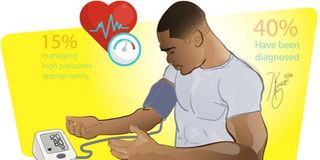
Finding out that you have high blood pressure can raise all sorts of questions. One of them may be one you are too embarrassed to ask out loud: What will happen to my sex life?
That was the question on Andrew’s mind when he and his wife, Grace, came to the Sexology Clinic. Andrew had just been diagnosed with hypertension at 45.
“I don’t know how frequently hypertensives land in your clinic,” he said, looking worried. “I just thought it was a place to start after my diagnosis.”
It was a sensible place to start. High blood pressure is common, and because it often causes no obvious symptoms, many people live with it without knowing. By the time it is diagnosed, it may already have affected blood vessels and other organs.
“My husband should consider himself lucky,” Grace said. “It could have been worse if the diagnosis had not been made.”
“So, what should I expect of my sexual performance?”
Andrew was a doctor and Grace, 42, was a nurse. They had been married for 17 years, had two children and, by their account, had always enjoyed a good sex life. They were also among the few couples who came for regular sexual health checks.
The short answer is that high blood pressure can affect sexual function in both men and women. Studies have found sexual problems in a substantial proportion of people with hypertension, although having high blood pressure does not mean that sexual problems are inevitable.
“Kwisha mimi,” Andrew said, laughing nervously.
High blood pressure puts constant strain on the blood vessels. Over time, their walls can become damaged, thicker and less flexible. That can reduce blood flow to different parts of the body, including the sexual organs.
For men, adequate blood flow is essential for getting and maintaining an erection. Long-standing, poorly controlled hypertension can therefore contribute to erectile dysfunction.
And once a man starts worrying about whether he will be able to perform, the problem can become even more complicated. Anxiety about sex can make it harder to get an erection, leading to a cycle of worry, disappointment and avoidance.
Women can also experience sexual difficulties. Reduced blood flow and changes associated with hypertension can contribute to difficulty with arousal and vaginal lubrication. When lubrication is inadequate, sex can become uncomfortable or painful. After several unpleasant experiences, it is understandable that a woman may begin to lose interest in sex.
“Back to my question,” Andrew insisted. “What exactly should I expect sexually?”
The first step is to know your blood pressure and get it under control. Regular blood pressure checks are important because hypertension can be present without pain or other warning signs.
If you have been diagnosed, take your treatment seriously. Do not stop your medication because you feel well, and do not assume that an absence of symptoms means the disease has gone away.
Lifestyle also matters. If you drink heavily, smoke, are overweight or inactive, making changes can help protect your blood vessels and your sexual health. Conditions such as diabetes and high cholesterol should also be properly managed.
But there is another issue that people often overlook: some blood-pressure medicines can affect sexual function.
“That is not a reason to stop taking your medicine,” I told Andrew. “There are different medicines for hypertension, and some are less likely to interfere with sexual function than others.”
If you notice changes in your sex life after starting treatment, talk to your doctor. Your medication may need to be reviewed or adjusted. Never stop hypertension treatment on your own.
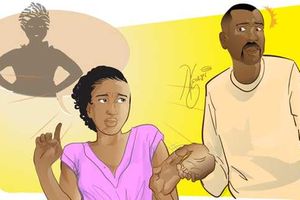
Sexual problems do not always stay in the bedroom. A partner may interpret erectile difficulties, vaginal dryness or reduced desire as rejection or loss of attraction. The person experiencing the problem may feel embarrassed, anxious or inadequate. Before long, resentment and silence can take the place of conversations and intimacy.
That is why couples need to understand that sexual difficulties associated with hypertension are often a health issue, not a sign that one partner no longer loves or desires the other.
“Did you say all these consequences can be avoided if one sticks to treatment and adopts the right lifestyle?” Grace asked.
“I am a nurse,” she said. “I will nurse my husband. We will never have those consequences.”
As Andrew and Grace left the clinic, we agreed that they would come back for follow-up visits. The aim was to keep Andrew’s blood pressure under control while making sure his treatment did not unnecessarily interfere with their sex life.