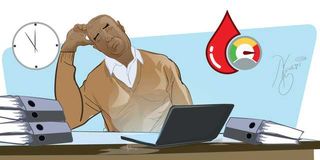
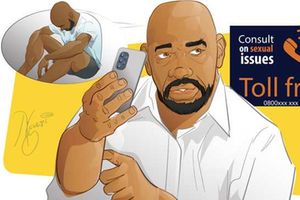
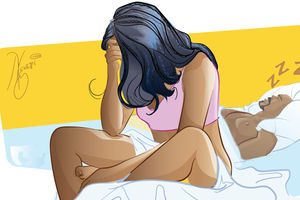
Caption for the landscape image: This is the link between weak erections and chronic illness Saturday, September 13, 2025 Scroll down to read the article Many studies done in people with hypertension have shown an increased tendency among them to have erectile dysfunction. Photo credit: Pool By Joachim Osur Columnist Article Related Jackson was not just a patient, he had become a friend. He called and sent me messages anytime to update me on the progress he was making. He had come to the Sexology Clinic because his erections had failed. PREMIUM Why men are anxious about sexual performance The thought of facing my wife in bed scares me stiff. PREMIUM This is why you shouldn't have sex in public I thanked the inspector and promised to educate my clients on the dangers of public display of intimate acts. PREMIUM How nudity spoilt Easter holidays at the coast Staying naked helps people connect with nature, relieve anxieties and accept their bodies. PREMIUM Feeling sad after sex? Here's why Prolactin has effects on the mood that lead to sadness and other symptoms of post-coital tristesse. PREMIUM Cervical cancer screening could save your life Lillian underwent a hysterectomy, the removal of the uterus, with the hope of cutting out all the cancer cells from the body. . Recommended for you PREMIUM Temidayo, Burna Boy’s sound man: ‘Every day I step out for a job, it costs them Sh86,600’ PREMIUM Reflection on the culture of theft in Kenya PREMIUM US TV presenter just one of many foreign broadcasters Kenyans have ‘greeted’ PREMIUM Gambling stole his life, now he’s helping addicts kick the habit Login to join the discussion Please enable JavaScript to view the comments powered by Disqus. In the headlines Elections News Counties Business Opinion Sports Life & Style Health Podcasts Photos Newsletters Puzzles PREMIUM Court exposes officials in failed bid to seize Nakuru War Memorial Hospital Officials are accused of acting on instructions from powerful individuals. Ruto on New KCC: Let farmers run it The government has injected Sh8 billion into New KCC over the past three years. PREMIUM Hospital sued after twins born at 27 weeks, one dies, one loses his vision Father sued the hospital alleging that doctors failed to conduct mandatory screenings.
PREMIUM Why men are anxious about sexual performance The thought of facing my wife in bed scares me stiff.
PREMIUM This is why you shouldn't have sex in public I thanked the inspector and promised to educate my clients on the dangers of public display of intimate acts.
PREMIUM How nudity spoilt Easter holidays at the coast Staying naked helps people connect with nature, relieve anxieties and accept their bodies.
PREMIUM Feeling sad after sex? Here's why Prolactin has effects on the mood that lead to sadness and other symptoms of post-coital tristesse.
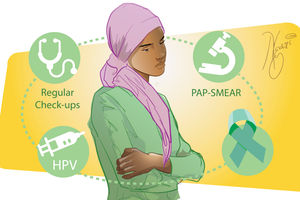
PREMIUM Cervical cancer screening could save your life Lillian underwent a hysterectomy, the removal of the uterus, with the hope of cutting out all the cancer cells from the body.
PREMIUM Court exposes officials in failed bid to seize Nakuru War Memorial Hospital Officials are accused of acting on instructions from powerful individuals.
Ruto on New KCC: Let farmers run it The government has injected Sh8 billion into New KCC over the past three years.
PREMIUM Hospital sued after twins born at 27 weeks, one dies, one loses his vision Father sued the hospital alleging that doctors failed to conduct mandatory screenings.