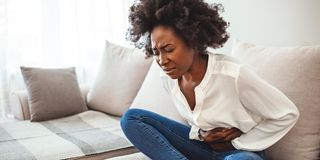
If period pain makes you clutch your stomach, reach for a hot water bottle or simply curl up and wait for it to pass, you are not alone. But for some women, the most surprising pain during menstruation is not in the abdomen at all. It is a sudden, stabbing pain in the butt. It can come without warning, last for a few seconds or minutes, and feel so intense that you have to stop whatever you are doing.
“It’s as if someone has pushed a very sharp needle up your behind during your period,” says Dr Karen Muthembwa, an obstetrician gynaecologist at Nanyuki Teaching and Referral Hospital.
The pain may seem to come out of nowhere, but there is an explanation for why it can happen.
Dr Muthembwa says period pain is not always confined to the uterus. The uterus sits close to several other organs, including the rectum, which is directly behind it, and the bladder, which sits in front of it. This proximity means that when the pelvic area is affected during menstruation, the discomfort can sometimes be felt in places other than the uterus.
Period pain is not always confined to the uterus. The uterus sits close to several other organs.
Photo credit: Fotosearch
One of the main causes is prostaglandins, hormone-like substances that help the uterus contract during a period. These contractions allow the uterus to shed its lining, but prostaglandins can also affect other muscles in the pelvic area.
That is one reason some women find themselves making more trips to the bathroom during their periods. Prostaglandins can stimulate contractions in the bowel and rectum, contributing to diarrhoea and changes in bowel movements.
“The contraction of the rectum is what causes the sharp pain,” Dr Muthembwa explains.
The pain can also happen after passing stool during a period. The nerves and organs in the pelvis are closely connected, so discomfort originating in one part of the reproductive system can sometimes be felt in another area.
There is a medical name for sudden, brief spasms of rectal pain. It is called proctalgia fugax. Although some women experience it during their periods, it can also happen at other times.
The menstrual cycle itself can bring different types of pelvic pain. Around ovulation, for example, some women experience a sharp pain on one side of the lower abdomen that may spread towards the back.
An occasional episode of rectal pain may pass without treatment, but repeated or severe pain should not simply be brushed off as another unpleasant part of having a period.
Dr Muthembwa says women with endometriosis can experience significant pain when passing stool, particularly around menstruation. Unlike the occasional stabbing sensation that comes and goes, this pain can happen more frequently and may continue even when a woman is not on her period.
For those dealing with occasional discomfort, there are a few simple measures that may help. Dr Muthembwa recommends drinking enough water and eating sufficient fibre to support healthy bowel movements and reduce straining while passing stool.
Keeping active can also help. Kegel exercises strengthen the pelvic floor muscles and may improve their control, while a hot water bottle can provide temporary relief when the pain strikes.
For women who experience frequent or severe pain, however, taking painkillers repeatedly without finding out what is causing the problem may not be enough. A doctor can assess the symptoms and determine whether further investigation or treatment is needed.
The next time a period sends a sharp pain through your bottom, you may at least know that you are not imagining it and that there is a reason it happens. But if the pain keeps coming back, becomes severe, happens when you are not menstruating or comes with other worrying symptoms, it is worth talking to a doctor.
“Your period may be monthly, but severe pain does not have to be something you simply learn to live with,” concludes Dr Muthembwa.