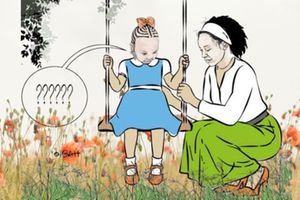
For many parents, talking to their children about sex is a conversation they keep postponing. Some hope the school will handle it, others wait until their children are teenagers, while some simply do not know how to start without making the conversation awkward.
But children are already asking questions, noticing changes in their bodies and hearing about relationships and sex from friends, social media and the internet. When parents remain silent, experts say, children may simply look elsewhere for answers.
This was the concern raised during a recent webinar, When We Stopped Talking, What Happened to Our Children? where psychologist Muthoni Muriithi from Nakuru County spoke about the consequences of silence around sexuality in the home.
“When sexuality is treated as forbidden in our homes, our young people think that this is something that they cannot talk to us about and that it is a shame because it is already forbidden in our homes. But remember, these young people still have questions. They are still curious; they have fears and experiences,” said Muthoni.
She noted that children are more likely to ask difficult questions when they have a safe and trusting relationship with their parents.
“As parents, we are fond of just saying, ‘Don’t do this,’ without having conversations with our children. I may tell my daughter, ‘Do not come to my house after six.’ That is a rule that I have set, but have I explained why this child should not come home after six? Have I shown the child the risks of coming home after six? Or am I just giving boundaries?”
She encouraged parents to normalise conversations about sexuality, stressing that talking to children about sex does not mean encouraging them to become sexually active.
“Let us converse with our children because if we do not do that, they will still get the answers from people on TikTok, WhatsApp, pornography and YouTube, who are not the best teachers. That is where our children are getting information from. Let connection come first, and then we will be able to correct it.”
Silence around sexuality can also affect how children view their changing bodies, she says.
“Remember, there is growth and development in our young people. Physically, they are developing, like growing breasts in girls and breaking voices in boys. If there is silence and shame, this now comes to the children and creates shame around their bodies, how they feel and about sexuality.”
Muthoni says parents who are uncomfortable discussing sexuality may also unintentionally make it difficult for children to disclose difficult experiences.
“Parents, are you free with your children? Do you have that one child who cannot even come closer to you because of the fear that you have instilled in that child? Can that child disclose what she is going through? A teenager who is being bullied in school, sexually harassed, pressured into sex or exposed to pornography may remain silent because they are afraid of being judged or punished.”
According to Muthoni, creating a safe environment where children can talk openly can also support their self-esteem and emotional wellbeing.
“When these young people do not have a safe place to process their feelings and what they are experiencing, parents should remember that they will carry guilt, be confused and have a lot of anxiety. They may also begin isolating themselves and withdrawing from us.”
“That is when we start saying, ‘You know, my boy and girl run to the bedroom when I get into the sitting room.’ Just know that, from the psychological point of view, these children are isolating because they do not have a safe place to run to. We sometimes tell our children, ‘You can tell me anything,’ but my question is, have we created an environment where they can feel free and tell us everything?” she asks parents.
Muthoni says parents can begin creating this safe space by asking questions, affirming their children and guiding them instead of turning every conversation into a lecture.
“Learn to ask open-ended questions rather than give a lecture. For example, you may ask them, ‘What are young people of your age saying about relationships and sex?’ or ‘What questions do teenagers have that they are afraid to ask?’ These kinds of questions help you to connect with your young ones. Listen to them when they are asking questions without interrupting or rushing to answer them.”
So, when should parents start?
Muthoni says parents should not wait until their children become teenagers before introducing conversations about sexuality. Instead, these discussions can begin gradually and become more detailed as children grow older.
“We should not wait until our children become teenagers to start thinking about sexuality. It begins with simple conversations that happen slowly and starts with a parent telling their children the correct names of their body parts,” advises Muthoni.