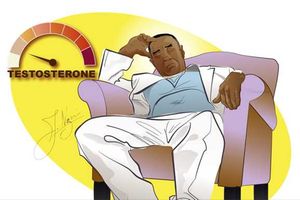
It often starts quietly. A man in his 40s or 50s might notice that he doesn’t have as much energy as he used to.
Gym sessions that once invigorated him now feel like a burden. Evenings are filled with fatigue, and intimacy with his partner becomes less fulfilling.
At first, he blames stress, long working hours, or simply ageing. However, when symptoms such as low libido, poor erections, unexplained weight gain, and mood changes emerge, it becomes harder to ignore the issue.
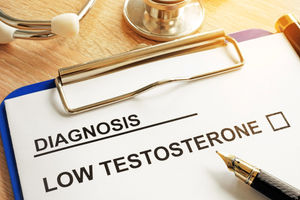
According to Dr Davis Ombui, these are classic signs of low testosterone, a condition that affects more than just sexual health and impacts men's overall well-being.
Dr Ombui, a consultant endocrinologist at Aga Khan University Hospital, explains that, although testosterone is often referred to as the ‘sex hormone', it plays a much more comprehensive role.
Produced in the testes, testosterone drives puberty in boys by deepening their voices, encouraging the growth of facial and body hair, and prompting sperm production. In adult men, it maintains sexual desire, fertility, and overall satisfaction.
However, its influence extends well beyond the bedroom. Testosterone regulates metabolism, builds muscle and bone, stimulates red blood cell production, and affects mood, motivation, and cognitive sharpness.
“When testosterone levels drop, men don’t just lose their sex drive; they lose vitality, confidence, and, in many cases, their health,” says Dr Ombui.
While this gradual reduction is part of the normal ageing process, certain lifestyle and health factors can accelerate it dramatically.
“Obesity, diabetes, smoking, heavy drinking, chronic stress, poor sleep, and exposure to environmental toxins such as pesticides and plastics can all contribute. Injuries to the testes, certain medications, and genetic disorders can also play a role,” explains Dr Ombui.
He notes that the number of men being diagnosed with testosterone deficiency is gradually increasing. On average, he sees two to three men per week who exhibit symptoms indicating low testosterone.
While this condition is still most prevalent in men over 50, there is growing concern about younger patients, particularly those who are obese or who misuse synthetic testosterone for bodybuilding. This actually suppresses the body’s natural hormone production.
“Men may experience reduced sexual desire, erectile dysfunction, fatigue, irritability, and a lack of motivation. Others may experience a loss of muscle mass and strength while gaining fat, particularly around the abdomen. They may also experience thinning of body and facial hair, weaker bones that are more prone to fractures, and mood changes that resemble depression or early dementia,” explains Dr Ombui.
As these symptoms can be indicative of conditions such as thyroid disorders or diabetes, testosterone deficiency is often overlooked.
“Many men only seek help after trying quick fixes like Viagra without realising that the real issue is hormonal,” he adds.
Sexual health is often the first casualty, with erectile dysfunction and infertility causing significant distress.
Additionally, metabolism can be disrupted, leading to obesity, insulin resistance, diabetes, and high cholesterol. Bones weaken, muscles shrink, and the risk of fractures increases. Perhaps most concerning of all is the impact on mental health: men with low testosterone are more likely to experience depression, irritability, impaired concentration, and cognitive decline.
'This is not just about intimacy,' emphasises Dr Ombui. 'It affects overall health, quality of life, and the long-term risk of disease.'
“The good news is that low testosterone can be treated,” says Dr Ombui.
Doctors typically start by recommending lifestyle changes, such as exercising regularly (especially strength training), losing weight, eating a balanced diet, getting sufficient sleep, and managing any underlying conditions, including diabetes or hypertension. Reducing alcohol intake and quitting smoking are also crucial. Taking these steps can significantly improve hormone levels.
However, if testosterone levels are severely low and symptoms persist, testosterone replacement therapy (TRT) may be recommended. In Kenya, this is usually administered via monthly or quarterly injections, although gels and patches are also available. TRT can help to restore energy levels, improve mood, rebuild muscle, and enhance sexual health. However, Dr Ombui emphasises that it is not suitable for every man.
“It suppresses sperm production, so it is not suitable for men who still want to have children,' he explains. Alternatives such as human chorionic gonadotropin (HCG) can stimulate natural testosterone production, and although they are used less frequently, there are also medications that block oestrogen conversion,” he explains.
Treatment comes with challenges. In Kenya, testosterone blood tests cost between Sh3,000 and Sh5,000, while monthly therapy can cost up to Sh20,000.
Most men pay for these treatments themselves, and ongoing monitoring is essential since testosterone replacement therapy (TRT) carries risks such as prostate enlargement, fluid retention, thickened blood, and potential cardiovascular strain. This makes long-term care difficult for many.
“Access and affordability remain significant barriers,” acknowledges Dr Ombui. 'Even when men receive a diagnosis, staying on treatment can be a struggle.”
Unlike menopause in women, Dr Ombui points out that there is no universal guideline recommending routine screening for testosterone decline, which is sometimes referred to as 'andropause'.
Instead, doctors typically test men who show symptoms or have risk factors. Consequently, many men only seek help when they experience sexual dysfunction.
Dr Ombui stresses that this condition should be taken much more seriously at an earlier stage. “By the time a man is experiencing severe sexual dysfunction, his metabolism, bone health, and mood will often already have been negatively affected for years,” he explains.
Misconceptions also contribute to the silence surrounding this condition. One common misconception is that testosterone therapy is only about improving sexual performance.
In reality, however, it helps to restore balance across multiple body systems. Another misconception is that erectile dysfunction in men with diabetes, hypertension, or obesity is always due to these conditions when low testosterone may actually be the underlying cause.
Additionally, some people fear that testosterone therapy may be unsafe, but with proper diagnosis and careful monitoring, it can be both effective and safe.
Dr Ombui advises men, particularly those over 50, to get tested if they experience persistent fatigue, low libido, poor erections, or mood changes, especially if they have diabetes, are obese, or are heavy drinkers.
However, younger men should not ignore symptoms either, as testosterone decline related to lifestyle is becoming more common.
Prevention is key for men without symptoms: maintaining a healthy weight, exercising regularly, eating a balanced diet, getting adequate sleep, and avoiding smoking and excessive alcohol consumption.