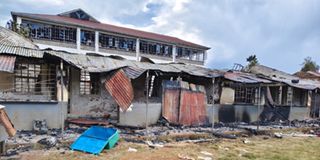
When learners at Litein Boys High School in Kericho County went on the rampage last month, they did not know the predicament they put their parents in.
The learners’ re-admission will not come cheap; each one of them has been slapped with a fine of Sh49,699 and must clear any outstanding fees.
Their parents have taken the school to court, and as the academic year comes to an end, the learners risk not sitting end-of-year examinations.
However, the Litein situation is not unique. Parents whose children attend schools affected by unrest and destruction of property are up in arms over what they term excessive fines. The institutions have been accused of demanding excessive compensation without conducting investigations or consulting parents.
Litein parents sued the school over the Sh69 million bill slapped on them. The parents argue that the amount is excessive and lacks transparency.
At Gatunguru Boys High School, parents were required to pay Sh25,000 each for the damage caused on September 7. At Tengecha Boys High School in Kericho County, parents were instructed to pay Sh5,500, to cover damages following a strike by the learners. AIC Chebisaas Boys High School imposed a Sh5,000 levy per learner following unrest at the institution on July 19.
According to the National Parents Association (NPA), blanket punishment is unjust and places an unnecessary financial burden on families already struggling with the high cost of education.
“We have insisted that investigations must be conducted by the police to identify those responsible before any parent is asked to pay. It is unfair to burden all parents, including those whose children were not involved in the destruction,” said chairperson Silas Obuhatsa.
Structures destroyed by students at Litein Boys' High School in Kericho County in this photos taken on September 22, 2025.
Photo credit: Winny Chepkemoi | Nation
He added that it is important for the involvement of children’s departments and boards of management in addressing such cases to ensure transparency and fairness.
“Before parents are forced to pay, they must be part of the discussions to understand the cause, magnitude, and those involved,” Mr Obuhatsa said.
Saying the most common causes cited for school unrest are harsh school rules, poor meals, or delays in examinations, he noted that many schools are affected.
“But our main concern is not just the number, it’s understanding the real cause and how it is being addressed. Simply forcing parents to pay will not solve the problem. In fact, it risks creating more resentment among students and parents instead of fostering accountability,” he said. Moving forward, all payments must follow due process and involve parents fully.”
Kenya National Union of Teachers Secretary-General Collins Oyuu said that while learners must be held accountable for destroying property during unrest, schools should avoid exploiting parents through exaggerated repair charges.
“Those who destroyed must pay back what they damaged, that’s the only way to go about it. It’s unfortunate that some schools are overcharging parents. We call upon schools to be fair... the charges should be rational and justifiable,” he said.
Mr Oyuu explained that learners should not be punished collectively, urging schools to conduct proper investigations to determine those directly involved in the destruction.
“We have cases where CCTV footage can show clearly who participated in the destruction. Let those found guilty pay, not every parent,” he said.
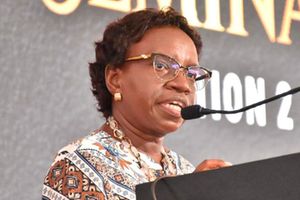
Kenya National Union of Teachers secretary general Collins Oyuu during Knut Eldoret West Branch’s Annual General Meeting at Bishop Delany Memorial Secondary School in Eldoret City, Uasin Gishu County on August 15, 2025.
Photo credit: Jared Nyataya | Nation Media Group
Kenya Union of Post Primary Education Teachers Deputy Secretary-General Moses Nthurima also faulted blanket punishment for damages.
“Investigations should be done to identify those directly responsible so they can bear the cost. Punishing every learner when only a few are at fault is not right,” he said.
Mr Nthurima further noted that part of the problem stems from inadequate funding in schools, which has strained management and contributed to rising tension among students. He urged the government to release all pending funds to ease pressure on schools and help address some of the challenges that may be triggering unrest.
Kenya Teachers in Hardship and Arid Areas Welfare Association Secretary Wangonya Wangenye also condemned the high charges imposed on parents following cases of school unrest, terming them punitive and exploitative.
However, Kenya Secondary School Heads Association chairperson Willy Kuria has defended schools over the levies imposed following cases of unrest, saying the charges are determined by boards of management after assessing the extent of damage, often guided by a report from a quantity surveyor.