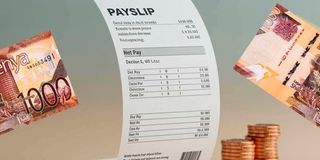
Caption for the landscape image: Middle class: Kenya’s ‘beasts of burden’ holding the tax system together Saturday, February 14, 2026 Scroll down to read the article Reduced worker earnings have depressed demand for goods and services in Kenya. Photo credit: Shutterstock By Elvis Ondieki Article Related Whenever Benedict Mutiso* looks at the section of his payslip showing what the government has deducted from his salary, he sighs. “Cumulatively, I work for the government for three-and-a-half months every year,” he laments. PREMIUM Atwoli turns war with Ruto into iPhone-smashing show The beef is so deep that if the two were to meet, the likelihood of a physical confrontation cannot be ruled out. PREMIUM Higher NSSF deductions to generate Sh80bn by June Starting February, payslips of thousands of workers will be raided for additional cuts. PREMIUM NSSF flagged over stalled Sh2bn Nyayo Embakasi housing project The multibillion-shilling project is now 12 years past the estimated completion deadline. PREMIUM Luck or links? Inside Sidian Bank’s change of fortune Renamed Sidian by billionaire Kirubi after acquiring a majority stake, its rise has been helped by capital injection from new shareholders. PREMIUM Strong-arm tactics: How MPs blackmailed NSSF to waive Sh102m in penalties Parliament pressured NSSF into waiving Sh102 million in penalties and interest arising from the delayed remittance by ex-MPs. . Recommended for you PREMIUM Drone strikes stall two fuel tankers bound for Kenya PREMIUM Family’s Russia hope shattered by DNA confirmation of Shakahola death PREMIUM Civil servants face vetting over Sh6.2bn payroll fraud PREMIUM The Coast question: Who will inherit Raila’s loyal base? Login to join the discussion Please enable JavaScript to view the comments powered by Disqus. In the headlines Elections News Counties Business Opinion Sports Life & Style Health Podcasts Photos Newsletters Puzzles PREMIUM Civil servants face vetting over Sh6.2bn payroll fraud State renews push to identify irregular recruitment and weaknesses in management of public funds. PREMIUM Machetes, extortion and fear: Inside Homa Bay’s gang crisis Local business operators bore the brunt of the lawlessness. PREMIUM Mosiria exposes bitter fallout with Sakaja Nairobi County Chief Officer declares intention to challenge Governor Sakaja in 2027.
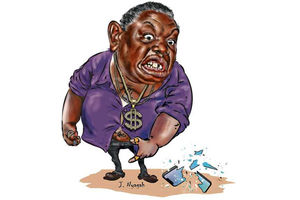
PREMIUM Atwoli turns war with Ruto into iPhone-smashing show The beef is so deep that if the two were to meet, the likelihood of a physical confrontation cannot be ruled out.
PREMIUM Higher NSSF deductions to generate Sh80bn by June Starting February, payslips of thousands of workers will be raided for additional cuts.
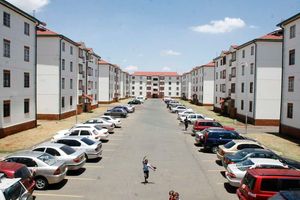
PREMIUM NSSF flagged over stalled Sh2bn Nyayo Embakasi housing project The multibillion-shilling project is now 12 years past the estimated completion deadline.
PREMIUM Luck or links? Inside Sidian Bank’s change of fortune Renamed Sidian by billionaire Kirubi after acquiring a majority stake, its rise has been helped by capital injection from new shareholders.
PREMIUM Strong-arm tactics: How MPs blackmailed NSSF to waive Sh102m in penalties Parliament pressured NSSF into waiving Sh102 million in penalties and interest arising from the delayed remittance by ex-MPs.
PREMIUM Civil servants face vetting over Sh6.2bn payroll fraud State renews push to identify irregular recruitment and weaknesses in management of public funds.
PREMIUM Machetes, extortion and fear: Inside Homa Bay’s gang crisis Local business operators bore the brunt of the lawlessness.
PREMIUM Mosiria exposes bitter fallout with Sakaja Nairobi County Chief Officer declares intention to challenge Governor Sakaja in 2027.