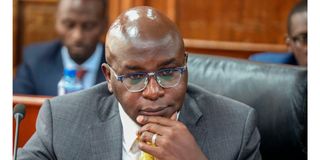
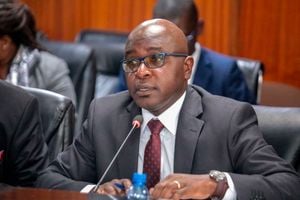
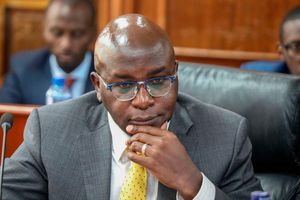
Caption for the landscape image: Why KRA boss Wattanga had to go Friday, April 10, 2026 Scroll down to read the article Former Kenya Revenue Authority (KRA) Commissioner-General Humphrey Wattanga. Photo credit: File | Nation Media Group By Dominic Omondi Summary Article Related What you need to know: Wattanga had refused to resign amid pressure from the National Treasury, a stand that pushed KRA Board to fire him.Hours after his removal from office, President Ruto nominated him for the position of High Commissioner in South Africa.Wattanga was among a group of commissioners appointed shortly after President Ruto took office in September 2022. Kenya Revenue Authority (KRA) Commissioner General Humprey Wattanga refused to resign amid pressure from the National Treasury, a stand that pushed the taxman’s Board of Directors to fire him on Wednesday evening. The authority yesterday said Mr Wattanga’s removal will take immediate effect, suggesting a fallout with the board. PREMIUM KRA boss Wattanga ousted Search for new KRA boss begins after board doesn't renew Wattanga's contract. PREMIUM Ruto nominates outgoing KRA boss Wattanga as envoy to South Africa His nomination comes barely hours after his KRA exit announcement. PREMIUM KRA boss summoned by MPs over alleged Sh62bn 'tax loss' from edible oil scam Summon follows documents tabled before the committee showing tax was allegedly mis-declared. PREMIUM High-octane investigations MPs sat on in 2025 Parliament went silent on investigations that would have helped trace billions of shillings. PREMIUM KRA grants five-day reprieve after system glitch The iTax system initially experienced disruptions due to a high volume of users trying to beat the original deadline. . Recommended for you PREMIUM Shakahola verdict: Murder in God's name PREMIUM Shakahola: The Bible verses at the heart of a massacre PREMIUM Shakahola: The red flags that preceded mass deaths PREMIUM Woman wins Sh500,000 after husband moves lover into matrimonial home Login to join the discussion Please enable JavaScript to view the comments powered by Disqus. In the headlines Elections News Counties Business Opinion Sports Life & Style Health Podcasts Photos Newsletters Puzzles PREMIUM How Kenya’s running legends are building fortunes beyond the track Champions who have channeled their sporting fortunes into shopping centres, hotels, schools. PREMIUM Woman wins Sh500,000 after husband moves lover into matrimonial home Judge orders the lover to vacate the Kisumu home within 14 days. Prof Ndetei summoned for cross-examination in Dr Mutiso murder case bail dispute Murder suspects claimed the affidavit filed in court by Prof Ndetei was a forgery.
PREMIUM KRA boss Wattanga ousted Search for new KRA boss begins after board doesn't renew Wattanga's contract.
PREMIUM Ruto nominates outgoing KRA boss Wattanga as envoy to South Africa His nomination comes barely hours after his KRA exit announcement.
PREMIUM KRA boss summoned by MPs over alleged Sh62bn 'tax loss' from edible oil scam Summon follows documents tabled before the committee showing tax was allegedly mis-declared.
PREMIUM High-octane investigations MPs sat on in 2025 Parliament went silent on investigations that would have helped trace billions of shillings.
PREMIUM KRA grants five-day reprieve after system glitch The iTax system initially experienced disruptions due to a high volume of users trying to beat the original deadline.
PREMIUM How Kenya’s running legends are building fortunes beyond the track Champions who have channeled their sporting fortunes into shopping centres, hotels, schools.
PREMIUM Woman wins Sh500,000 after husband moves lover into matrimonial home Judge orders the lover to vacate the Kisumu home within 14 days.
Prof Ndetei summoned for cross-examination in Dr Mutiso murder case bail dispute Murder suspects claimed the affidavit filed in court by Prof Ndetei was a forgery.