A fraudulent land deal will see workers who have saved money with the National Social Security Fund (NSSF) lose millions of shillings.
The fraud dates back to 1994 when NSSF bought the parcels of land in Eldoret, totalling 98.8 acres, from four individuals in what has since emerged was a fraudulent deal.
In 2004, NSSF sold the land to a teachers’ cooperative for Sh50.1 million.
However, the courts have ruled the land belongs to Kenya Prisons and nullified the sale to Keiyo Teachers Cooperative Savings and Credit Society, now known as Prime Time DT Sacco.
And NSSF has been ordered to refund the Sacco the Sh50.1 million and money spent on lawyers during the suit.
This latest transaction was finalised on August 25, 2004, with the Sacco paying the full amount for the 98.8 acres in Eldoret Municipality.
On the surface, the deal appeared to be a straightforward land sale between a state pension fund and a sacco.
NSSF, a statutory body responsible for managing workers’ retirement savings, was disposing of assets, while the sacco, which pools teachers’ deposits and provides loans, was investing in property.
However, the land parcels—registered as Eldoret Municipality Block 10/176, 177, 178, and 179—had a history that neither paperwork nor payment could erase. Each measured 24.7 acres.
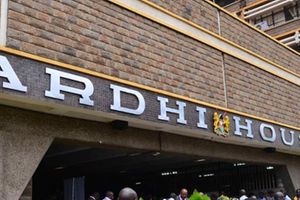
National Social Security Fund building in Nairobi
Photo credit: Sila Kiplagat | Nation Media Group
Court evidence revealed that the property had been gazetted as Kenya Prison land under Gazette Notice No. 751 dated December 18, 1963, forming part of the Eldoret GK Prison reserve. The Environment and Land Court found that this designation had never been revoked.
Despite this, the land was later allocated to four private individuals and a company under 99-year leases purportedly beginning in 1983.
These allottees were subsequently registered as leaseholders. Court documents showed that they sold the land to NSSF on May 27, 1994, before they were formally registered as proprietors.
They were registered on August 31, 1994, and transferred the properties to NSSF the same day. A decade later, NSSF sold the land to the sacco.
The legal dispute began in 2006 when prison officers contested the sacco’s ownership, arguing that the land was public property reserved for government use and could not be lawfully sold.
The sacco sought court intervention, accusing prison officers of trespassing on the parcels and disrupting its possession.
The trial court ruled in favour of the prison, stating that the land had already been gazetted as prison property and that all subsequent attempts to privatise it—including subdivision, titling, and sale—were invalid.
“Nullities are nullities, and no good title could come out of nullities,” the court declared, though it acknowledged the sacco as an innocent purchaser.
The court declared the titles null and void, affirming that the land remained public prison property and ordering NSSF to refund the sacco the full purchase price plus interest.
Workers erecting a sign at NSSF's Social Security House offices in Nairobi.
Photo credit: File | Nation Media Group
The case exposed how the land transitioned from public reservation to private ownership. The original allottees had signed sale agreements with NSSF before their registration as proprietors, suggesting collusion between them and the fund.
The court ruled that once land is gazetted for public use, it cannot be privately allocated unless formally degazetted, a step that was never taken in this case. It also found that the Commissioner of Lands lacked the authority to allocate gazetted prison land to private individuals.
However, the courts rejected this argument, ruling that a void root title invalidates any subsequent transfers. While the sacco was deemed an innocent purchaser, its good faith could not remedy the defective title.
Since NSSF had no legal right to sell the land, the contract was voided. The court ordered NSSF to refund the Sh50.1 million plus interest from the lawsuit’s filing date.
The Court of Appeal last Friday also dismissed NSSF’s appeal, upholding the refund order and awarding legal costs to the sacco.
However, a court has nullified the transaction on ground the land belongs to the Kenya Prisons.