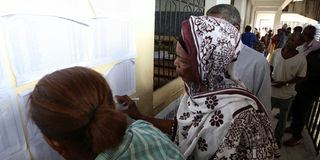
Democracy, friends, is not in good health. Across Africa, it is in its worst condition in a generation. The think-tank vocabulary for this moment is heavy. They talk of “democratic backsliding” and “democratic recession”. Yet the real story is the sheer scale of violence that now attends the ballot.
Tanzania’s recent post-election chaos unsettled even veterans of the region’s political storms. Opposition leaders claimed the death toll ran into the thousands. But underneath this violence lies a quieter collapse.
Morally, it has always been indefensible, but the standards of vote-rigging in Africa have fallen so spectacularly that the craft is now comedy. African electoral theft was once world-class. It had subtlety, and it left onlookers almost impressed by the audacity and the skill. These were maestros.
Today’s practitioners are amateurs. They are butchers, not surgeons. They steal loudly, violently and clumsily, then act surprised when the country erupts. When a ruling party or incumbent cannot even rig competently, it tells you something about its future performance in office. You see it months later in the broken hospitals, the potholed roads, the unpaid teachers.
So let us offer, reluctantly but patriotically, a rescue plan for this disgraced profession. Ten rules to protect the public from their carelessness and, more selfishly, to protect the thieves from provoking uprisings they cannot control.
One. If you must neutralise an opponent, leave them aggrieved, not immortal. Côte d'Ivoire’s treatment of Tidjane Thiam is instructive. Disqualify him neatly, wrap it in a legal ribbon, and let him shout on television about injustice. What you must not do is what happened to Tundu Lissu in Tanzania. When an opposition figure ends up maimed, exiled or jailed, you create a myth, not a loser. Myths do not fade. An aggrieved opponent sues and sulks; an eliminated one may pick up a gun, become a hero, or a martyr. History remembers martyrs, not litigants.
Two. Play the game, not the players. Professionals do their work from desks. Inflate the register quietly. Demand nomination signatures that would exhaust a marathon runner. Introduce a registration fee so high that even tycoons stare at their accountants in disbelief. Bureaucracy can achieve what a security service cannot — it frustrates without drawing blood.
Three. Steal the margin, not the entire contest. Ninety-eight per cent is for comic books. Seventy per cent looks strong. Something in the early sixties is almost elegant, just enough to look decisive, not so much that it becomes theatre. It is rarely the vote tally itself that causes unrest; it is the insult embedded within it.
Four. Muddy the waters. Allow the opposition one or two enclaves where they rack up absurd supermajorities. An 85 per cent sweep somewhere in the north or along the coast is a valuable prop in future arguments. When critics challenge your numbers, you can point back and ask whether they are prepared to invalidate their own landslides, too. Confusion is a shield.
Five. Make your candidate likeable. That short clip of Gabon’s junta leader, Brice Oligui Nguema, dancing might have looked trivial, but it was a strategy. Young supporters need memes. A leader who can produce one shareable dance clip will survive a thousand angry threads. Bonus points if the soundtrack is Afrobeats, Amapiano, Bongo Flava, Gengetone, something that feels rooted in the soil.
Six. Stop stuffing ballot boxes like you are drawing raffle tickets at a church fundraiser. Quietly swapping boxes is infinitely more professional. Ballot stuffing produces dramatic photographs — overfilled lids, sweaty men under fluorescent lights. A neat Houdini manoeuvre at two in the morning leaves no embarrassing evidence.
Chronic resource shortfalls
Seven. Exploit the opposition’s chronic resource shortfalls. Their agents are often underpaid, hungry and even stranded. That makes them ideal targets for discreet persuasion. An opposition agent who signs off on an altered return form is priceless. With that signature, you can dismiss complaints as sour grapes. Without it, expect your victory to be described as “deeply concerning”.
Eight. Stop looking like villains in a political thriller. Smile. Laugh lightly. Listen as though you care. Leaders who appear permanently stern, as President Samia Suluhu Hassan sometimes does, trigger suspicion even when innocent. Authoritarian rulers who look human are harder to demonise. Optics matter almost as much as the vote.
Nine. Broadcast part of the process. Kenya’s national tallying centre is mathematical, dry, but almost hypnotic. It reassures people because it feels open even when the real action is happening elsewhere. A camera pointed at a giant spreadsheet calms crowds. A bored viewer is a peaceful citizen.
Ten. Never shut down the internet. Only rookies do that. Slow it instead. Blame a submarine cable fault on the floor of the Indian Ocean. Mention sharks. Mention anchors. Complain about a landing-station glitch in Mombasa or Djibouti. People will curse their service providers, not their rulers. Throttling preserves plausible deniability.
Africa has serious challenges. The very least we can expect is that those who insist on rigging our elections raise their standards. If they are determined to steal, they might as well steal with competence, restraint, and a touch of old-school artistry.
The author is a journalist, writer and curator of the "Wall of Great Africans". X:@cobbo3