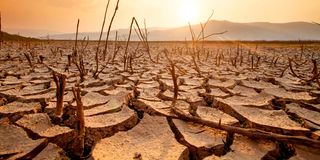
Caption for the landscape image: Africa’s climate moment is now Friday, September 12, 2025 Scroll down to read the article Africa is on the frontlines of climate disruption. Photo credit: Shutterstock By Wanjira Mathai Managing Director for Global Partnerships and Africa World Resources Institute Article Related The Second Africa Climate Summit (ACS2), held this week in Addis Ababa, came at a decisive moment for Africa. The final declaration, again, reiterated Africa’s role as a leader and driver of innovative home grown climate solutions. PREMIUM Wanjira Mathai: Let’s guard the constitution, it’s our gift The 2010 Constitution is our legal charter, but it is also a promise. PREMIUM Wanjira Mathai: Kenya’s future lies with the youth They are navigating pressures that are social, economic, and deeply existential. PREMIUM Wanjira Mathai: Let’s trust guardians of the forest Around the world, Indigenous youth are not waiting to be included, they are stepping forward. PREMIUM Wanjira Mathai: What failure of anti-plastics talks mean After ten days of talks, 184 countries failed to agree on a single draft. . Recommended for you PREMIUM Shakahola verdict: Murder in God's name PREMIUM Shakahola: The Bible verses at the heart of a massacre PREMIUM Shakahola: The red flags that preceded mass deaths PREMIUM Report lays bare rot in Coast region water firms facing shutdown PREMIUM The city money trap: Rich in revenue, poor in power Login to join the discussion Please enable JavaScript to view the comments powered by Disqus. In the headlines Elections News Counties Business Opinion Sports Life & Style Health Podcasts Photos Newsletters Puzzles PREMIUM How Kenya’s running legends are building fortunes beyond the track Champions who have channeled their sporting fortunes into shopping centres, hotels, schools. PREMIUM Woman wins Sh500,000 after husband moves lover into matrimonial home Judge orders the lover to vacate the Kisumu home within 14 days. Prof Ndetei summoned for cross-examination in Dr Mutiso murder case bail dispute Murder suspects claimed the affidavit filed in court by Prof Ndetei was a forgery.
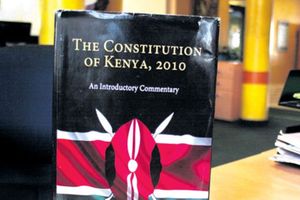
PREMIUM Wanjira Mathai: Let’s guard the constitution, it’s our gift The 2010 Constitution is our legal charter, but it is also a promise.
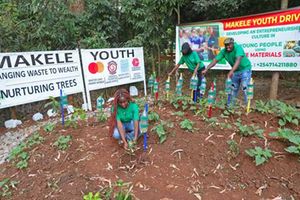
PREMIUM Wanjira Mathai: Kenya’s future lies with the youth They are navigating pressures that are social, economic, and deeply existential.
PREMIUM Wanjira Mathai: Let’s trust guardians of the forest Around the world, Indigenous youth are not waiting to be included, they are stepping forward.
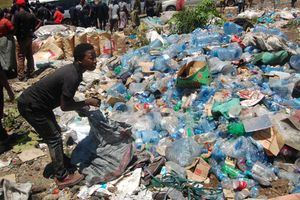
PREMIUM Wanjira Mathai: What failure of anti-plastics talks mean After ten days of talks, 184 countries failed to agree on a single draft.
PREMIUM How Kenya’s running legends are building fortunes beyond the track Champions who have channeled their sporting fortunes into shopping centres, hotels, schools.
PREMIUM Woman wins Sh500,000 after husband moves lover into matrimonial home Judge orders the lover to vacate the Kisumu home within 14 days.
Prof Ndetei summoned for cross-examination in Dr Mutiso murder case bail dispute Murder suspects claimed the affidavit filed in court by Prof Ndetei was a forgery.