The first call came like a hesitant knock at a door. “Is this true or is it just jaba (fake news)?” the voice on the other end asked. I could hear the weight behind the question, a mixture of hope and wariness, a longing for justice tempered by the fear of being let down once more.
Minutes later, another call came, this one more upbeat but still cautious: “Does this mean something’s finally being done?” It was the kind of question you ask with your fingers crossed, knowing that in Kenya, promises have a way of evaporating.
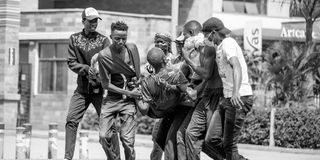
These calls began moments after President William Ruto announced the creation of a 120-day framework to compensate victims of police brutality. It was presented as ground-breaking: for the first time in years, the state would acknowledge harm, set aside money and attempt to make amends. But for the people who have endured the violence – those who still live with bullets in their bodies, who bury loved ones without justice, who nurse visible and invisible wounds – the announcement brought as much anxiety as it did hope.
Samuel Kinyanjui was one of the first to call. He has a bullet in his body – a permanent, painful reminder of the day the government turned weapons on its citizens. The bullet is memory. It is proof of what was done to him, and of what has not been undone. Samuel’s voice cracked. He spoke about of compensation – not just removing the bullet, but also a measure of dignity restored. Beneath his words was the question I could not answer: would this time be any different?
President Ruto’s plan, according to Treasury CS John Mbadi, is to deliver reparations swiftly and transparently, starting with the most recent victims and stretching to 2017. The task will be coordinated through the Executive Office of the President, with Prof Makau Mutua leading efforts to document cases, identify claimants and distribute funds.
Kenya’s political history is paved with unfulfilled promises. In the aftermath of the 2024 anti-Finance Bill protests where at least 60 people were killed, hundreds were injured and others disappeared, leaders made declarations about compensation.
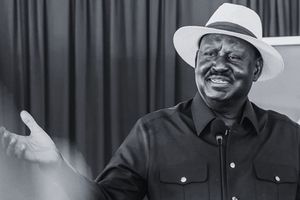
ODM leader Raila Odinga insisted that victims of police brutality must be compensated, yet many families are still waiting even a phone call. The Kenya National Commission on Human Rights issued reports, listing names, injuries and evidence of excessive force, but the wheel of justice barely turned. In one case, a man injured by police was promised Sh70,000 but received only Sh7,000, paid in small instalments that barely covered his medical bill.
When you’ve seen how these things usually go, jaba is not cynicism. The victims have learnt to protect themselves from disappointment by keeping their expectations low. Their hope has been crushed before.
Money alone cannot heal the damage. Compensation cannot rebuild crushed bones, resurrect the dead or return a lost limb. It cannot erase the trauma of watching a loved one die or of living with the knowledge that the people sworn to protect you were the ones who harmed you. Even in a country where justice is often delayed or denied, this gesture feels like something to cling to.
But what troubles all is the absence of justice. Compensation without accountability risks being hush money. It is a way to close the chapter without reading the truth aloud. The officers who pulled the triggers, swung the batons and ordered the crackdowns remain free. If no one is prosecuted, if no institution is reformed, if no culture of accountability takes root, the payments become public relations.
Consider the case of Albert Ojwang, the blogger who died in custody in June for “defaming a top officer”. His death sparked protests. The President called it “unacceptable”. Albert’s family grieves while the officers implicated in his death are still working. Would financial compensation ease their loss?
The Truth, Justice and Reconciliation Commission offered acknowledgment and recommendations but lacked the power to prosecute. Its work became symbolic. Recognition without consequence tells victims: “We see you,” but stops short of “We will fight for you.”
Still, compensation has its role. For people like Samuel, it could mean long-delayed treatment. For families who have gone into debt to bury loved ones, it could mean relief from financial ruin. If we are to do this properly, it must be with integrity. That means creating a transparent process for identifying victims, ensuring independent oversight and guaranteeing that payouts are in full, on time and with dignity.
It means linking compensation to genuine investigations. It also means investing in institutional reform. The Independent Policing Oversight Authority must be given resources and backing to investigate and discipline officers.
Police training must stress the sanctity of life, the right to peaceful assembly and the consequences of abuse. Without these safeguards, we will be back here, counting bodies and cutting cheques.
As the 120-day clock ticks, I think of the voices on the other end of my phone. I picture Samuel finally walking to a hospital to have the bullet removed. I imagine families receiving calls to say the money has been sent, and that the names of their loved ones have been recorded and honoured. But I also imagine the possibility that this ends like many other government initiatives – with reports filed, funds mismanaged, and victims left to their own devices.
The victims deserve justice, dignity and the guarantee that no Kenyan will to endure what they have. Without that, the plan will not be the step forward it claims to be. It will be a bandage over a wound that continues to bleed.