When David Ndii first wrote that Kenya was in a “cruel marriage ,” many felt seen. It was the blunt language citizens live every day: a state that demands more than it gives, a system that extracts without returning, a people who endure because they cannot walk away.
That was part one — a critique that cut through the usual political doublespeak.
Part two lands differently. The writer now sits inside the system he once critiqued, and the urgency that made the first article resonate has softened. Divorce, a radical image of departure, is out. Adjustment and trust the process are in. But while the words have changed, the conditions that made part one urgent have not, and for many Kenyans, have only worsened.
This is the irony at the heart of the new narrative. Kenya’s problems, economic strain, high cost of living, weak public services, and widening inequality remain.
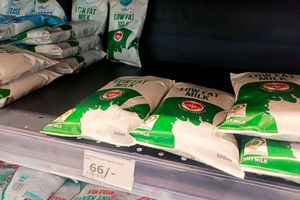
Citizens are still squeezed. Fuel prices remain high. Electricity costs continue to erode household budgets. Food inflation eats into earnings that barely cover rent or school fees. Even with modest incomes, families find themselves cutting essentials just to survive the month.
Meanwhile, the government’s fiscal approach leans heavily on taxation and revenue collection. Instead of reversing the squeeze, new levies are introduced. A society already struggling is told this is necessary, this is temporary, this is stability.
In part one, Ndii warned that burden without reciprocity corrodes trust. In part two, the message is: trust us, things will improve.
Government spokespeople point to infrastructure projects, digital innovations, and macroeconomic indicators as evidence of progress. But macro gains have not translated into tangible relief for ordinary Kenyans. Hospitals still lack essential drugs. Schools remain underfunded and overcrowded. Household incomes stagnate while prices rise. Debt servicing absorbs a large chunk of national revenue while transparency remains patchy.
This is the reality on the ground: survival is harder, opportunity is scarcer, and public confidence is thinning.
Accountability is selective. Corruption persists with little consequence. Policy announcements are celebrated in briefings, yet implementation is uneven. Public services falter. Citizens continue to carry the burden while the system reassures itself that reform is underway.
One stark difference between part one and part two is the shift from diagnosis to management. In the first article, endurance was presented as a warning: stay too long, and the relationship becomes intolerable. In the second, endurance is presented as a strategy: adjust, trust the process, bear with us.
This reframing shifts the burden onto citizens. It makes suffering essential, inevitable, and even patriotic. But the economy is not encouraging recovery; it is adjusting to chronic pressure. People are not seeing relief. They are learning how to cope with hardship as a permanent feature of life.
A critique from outside power can challenge systems because it threatens the status quo. A critique from inside power often becomes an explanation, a justification. Before: this system is extractive and unsustainable.
Now: we understand the pain, but this is necessary for stability.
Let’s talk about real costs. A working parent juggling school fees and rent. A small business owner is forced to raise prices because transport and input costs have skyrocketed. A young graduate with qualifications but limited opportunities. A family is skipping meals because electricity and fuel bills have doubled.
Citizens are adjusting their lives because the present has no alternative. And every time hardship is presented as necessary, it chips away at the social contract.
When suffering becomes normal, expectations of justice diminish. Once trust erodes, loyalty cannot be manufactured with slogans or policy speeches. People begin to disengage from civic participation, optimism about the future, and even the idea that governance should be responsive. Normalisation of hardship does not create stability. It manufactures resignation. And resignation is not a foundation for progress; it is a vacuum where accountability ceases to matter.
There is a pattern in politics: distance sharpens critique; proximity blunts it. From outside government, it is easier to demand justice, fairness, and radical change. From inside, pressures multiply ,competing interests, institutional constraints, diplomatic language, shared responsibility. Real governance is messy. But messy does not mean just. And proximity does not make suffering disappear.
What changes is not the hardship. It is how hardship is explained. That is at the core of why part two feels so different from part one.
Kenya is still in the same place that citizens feared. Pressures continue. Inequality persists. Accountability remains uneven. Public trust is fragile. Hardship is widespread. Hope is unevenly distributed.