On the nationwide transport strike over fuel price increases, one can sympathise with a government caught between a rock and a hard place. After all, the administration has absolutely no control over the sharp spike in international oil prices since the onset of the American-Israeli war on Iran.
Crude oil prices rising by over 60 per cent will impact directly at the pump prices level. Even efforts to cushion consumers through subsidies and some tax reductions will be puny at best, and very short-lived since the government does not have a bottomless cash reservoir.
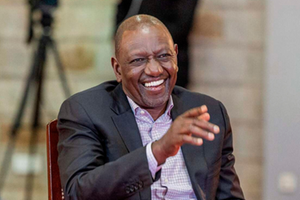
It follows that the anger witnessed on Kenyan streets from yesterday as protests heated up should not be directed at President William Ruto, but at US President Donald Trump and his controller, Prime Minister Benjamin Netanyahu of Israel.
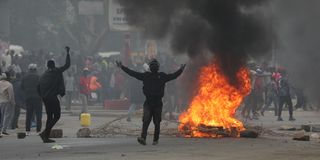
But it’s not as simple as that. The anti-government sentiments put on display by protesters across the country yesterday was not just about oil prices; it was the release of the pent-up anger that erupted with the Gen Z protests of nearly two years.
The GenZ protests were crushed by a brutal response in which dozens of youth were killed in cold blood. Abductions, torture, illegal confinement, enforced disappearances and extra-judicial executions became the modus operandi of a government at war with its own citizens.
The youth revolt which shook the Kenya Kwanza regime to the core was crushed by the combination of a murderous counteraction, and the betrayal of an elite pact in the broad-based mongrel government, but the issues that provoked the outrage remain.
It was, therefore, no surprise that the transport sector strike over high petrol prices immediately morphed into general anti-government protests; complete with the familiar ‘Ruto Must Go’ and ‘Wantam’ chants.
The events remind us that the issues raised by the GenZ revolt remain alive, and made even worse by the continuing arrogance, hubris and insensitivity of the ruling “tumbocracy”.
Kenyans saw President William Ruto climb down briefly when he dissolved his Cabinet and withdrew the contentious Finance Bill in response to the Gen Z protests.
But Kenyans have also seen him roar back viciously, imposing an increasing array of taxes even worse than those that incited protests in the first place.
He has preached water but consumed copious amounts of wine in pretending to impose austerity measures, while presiding over skewed budgetary allocations that shift ever more money to State House and other wasteful and unproductive uses.
The helicopter classes continue to fly over our heads at public expense, crisscrossing the country for campaign rallies and personal joyrides while completely oblivious to the daily pain and desperation of those they rule over down below.
And then the latest fuel price increases come while still fresh in the mind is that monumental scandal that saw well-connected buccaneers smiling all the way to the bank by being allowed to bring poor quality oil into the local market.
Budget cuts targeting the presidency
There were high-profile arrests, fake directives on re-export of the sub-standard petroleum when it was already in the system, and the President publicly vowing to rout the cartels that had captured the petroleum sector.
As it turned out, it was all drama for the cameras and a gullible public. The sector executives arrested over the scandal will never be charged because everything they did was sanctioned by a trail of paperwork. If anything, it was civil war of cartels within government rather than interventions meant to keep overpriced and low quality oil out of the country.
We have a fairly reasonable and knowledgeable populace. If there were honest, transparent and proper communication on why the price of petrol must go up in tandem with the rest of the world because of external factors, Kenyans would understand. But they will not countenance price hikes through a system riddled with lies and theft. They will not understand why pump prices are significantly higher than in neighbouring countries, including those that get their supplies via Kenya. And they will not take the balderdash that prices in Kenya are higher because we are richer and more developed than our neighbours. Whoever gives President Ruto those pathetic talking points should be shot.
The government has no option but to climb down on oil prices, not with subsidies but with targeted budget cuts targeting the presidency and the rest of the Executive branch that spends as if there was no tomorrow.
To start with there, should be ban on helicopter rides at taxpayer expense, as well as withdrawal of those obscene luxury car fleets with which the vagabonds in power bully the hoi polloi off the roads.
Mr Gaitho, an independent journalist, is former NMG Managing Editor for Special Projects. [email protected]