Firewood is the main source of cooking energy for 84.1 per cent of rural households, as established by the 2019 Population Census.
The challenge is therefore not the existence of firewood itself, but whether it is produced and collected sustainably and burnt efficiently.
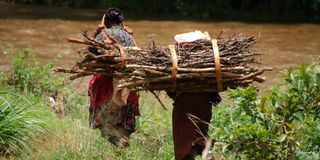
Before the firewood warms a pot in rural Kenya, someone has already paid a price for it. Often, it is a woman or child who has walked kilometres before dawn, searching, bending and carrying the wood home. This is the part of energy poverty that is easily missed. In Kenya and across Africa, it rarely means having no choice. It means having too few affordable and accessible choices. Even in Nairobi, we may warm ourselves on these cold nights with an electric heater, cook a quick meal on gas, and still reach for firewood or charcoal. This is energy stacking — households combining fuels according to their needs and means.
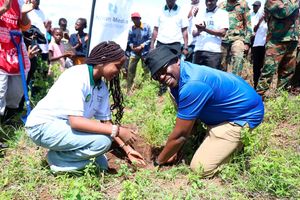
The clean-cooking debate often treats firewood and charcoal as the enemy, yet the bigger questions are how they are produced, sourced and used. For rural women and children, collecting firewood means early starts, long walks and heavy loads, adding to the unpaid work of cooking, fetching water, tending crops and caring for children. A 2021 study by Kenyan researcher Dr Mary Njenga and colleagues, Gitau and Mendum, highlights the time, labour, health and hidden costs involved. These are challenges my mother sought to address when she founded the Green Belt Movement and engaged thousands of women in growing trees to improve access to cooking fuel, among other benefits.