A Fat toad is abroad in the noon sun, waddling through fresh mud. It is not just any frog; it is your country. What could possibly threaten its life?
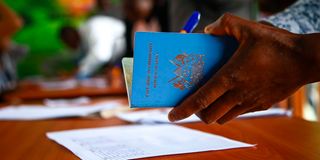
The Kenyan passport is neither a souvenir for the idle rich of neighbouring states nor a business card to open doors. It is Kenya’s sworn word to the world that the holder is Kenyan, known to Kenya and travels under its name and protection.
That is why issuing passports to foreigners fraudulently is not a mere lapse; it is a betrayal of citizenship — an auctioning of the Republic that citizens are bound to honour and protect.
The current scandal emerged after reports that foreign nationals, many Sudanese, appeared in leaked immigration records alongside Kenyan passport application tracking numbers. There was also the deportation of a senior Somali politician over alleged fraudulent acquisition of a Kenyan passport. Earlier controversies had involved foreigners obtaining Kenyan identity documents irregularly.
Investigative reports have further exposed a rogue ecosystem of brokers, compromised officials and weak verification systems, where illegal identity papers and passports are allegedly available for a price.
Together, these cases reveal a pattern. The scandal is not one passport issued to a foreigner; it is the system. And what do Kenyans stand to lose?
We stand to lose our country in this auction. The first casualty is national security. A foreign operative travelling on a Kenyan passport is not merely crossing borders; he is operating under Kenya’s identity, borrowing its name, reputation and protection.
If he is a terrorist, drug trafficker, people trafficker, sanctions evader, militia fixer, fugitive financier or political broker with blood on his hands, Kenya has not only failed to stop him; it has helped conceal him, ease his movement and provide cover for his crimes. No serious state can tolerate such a perversion of statehood.
A compromised passport system also weakens the wider security architecture. Security agencies depend on reliable identity records. Once false identities enter official databases, vetting becomes weaker, watchlists less effective and border screening less precise. Investigations become costlier as the state spends resources correcting old fraud instead of preventing threats.
Second, there is social harm. Citizenship is both legal and moral — a covenant between the individual and the state. When Kenyans believe nationality can be bought by foreigners while citizens endure delays, humiliation and missing files, a damaging message spreads: that being Kenyan is about price rather than belonging. This breeds bitterness and distrust.
Document scandals also poison relations between communities. Suspicion falls not only on the guilty but on entire border populations, migrants, refugees and minorities. State corruption can therefore create tensions among innocent people.
Third, the political damage is immense. A state unable to defend the meaning of citizenship appears weak at its core. If lawmakers must demand answers on how many fraudulent passports have been issued, cancelled, investigated or prosecuted over years, the crisis is no longer administrative. It becomes a constitutional question of accountability and institutional control.
Fourth, the economic harm is not abstract. The credibility of a passport has monetary value. If foreign governments begin to suspect that Kenyan travel documents can be fraudulently obtained, every Kenyan traveller pays the price.
Businesspeople face greater scrutiny, students experience more delays and workers seeking opportunities abroad encounter more suspicion. Tourists and investors may view the scandal as evidence of wider institutional decay. In a modern economy, trust in documents is part of the infrastructure of commerce. Once that trust is damaged, the cost is borne by citizens who never took a bribe and never met a broker.
Then there is diplomacy. A passport is, in effect, a letter from one state to another asking for trust. It says: we know this person; you may deal with them on that basis. If Kenya cannot credibly stand behind that assurance, its diplomatic word is weakened.
Other countries may respond by tightening visa procedures, slowing approvals and increasing scrutiny. Intelligence-sharing can suffer, and bilateral relations can be strained, especially when high-profile foreign political actors are found carrying or seeking Kenyan documents.
The true danger, however, lies in scale. A few rogue cases would be scandal enough. But if passports, IDs and feeder documents are being sold through a network of insiders and brokers, then the problem is no longer isolated corruption. It becomes systemic infiltration and a compromise of state security organs.
False identities do not remain confined to one document. They multiply. They open bank accounts, buy property, register companies, obtain SIM cards, move money, sponsor dependants and create paper trails that become harder to unravel with every passing year.