The Kenya Transporters Association (KTA) has questioned the whereabouts of 13,000 electronic cargo tracking seals previously procured by the Kenya Revenue Authority (KRA) using taxpayers' money, as transporters face fresh costs of up to Sh65, 000 for each device under the new multi-vendor system.
The association has challenged the tax authority to explain how the publicly funded seals became unavailable, forcing trucking companies to purchase or lease new devices from 15 private service providers to move cargo under customs control.
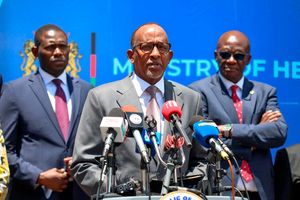
KTA chairman Newton Wang’oo said the new arrangement was transferring the financial responsibility for cargo monitoring from the government to transporters, despite the association maintaining that customs enforcement remains a statutory obligation of the State.
In an advisory to members, Mr Wang’oo demanded accountability from KRA over the fate of the 13,000 seals previously used to monitor cargo along the Northern Corridor.
"How is it possible that all these seals suddenly became unavailable on the same date? What happened to these publicly funded seals, and why must transporters now bear the cost of replacing them?" Mr Wang’oo posed.
Under the new Regional Electronic Cargo Tracking System (RECTS) framework, transporters, importers and other cargo stakeholders are required to obtain electronic seals from 15 approved private vendors.
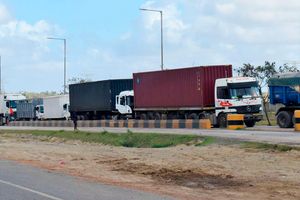
The devices cost between Sh45,000 and Sh65,000 ($350 and $500), while service providers are also charging monthly maintenance fees of about Sh3,900 ($30) per seal, adding to the operating expenses of trucking companies transporting goods from the Port of Mombasa to regional markets.
KTA said some leasing arrangements offered by the vendors also require transporters to shoulder part of the costs, effectively making the supposedly flexible option similar to compulsory purchasing.
The association argued that while private companies could provide technology and supporting services, the government should not transfer its responsibility for customs monitoring and enforcement to transporters without adequate legal justification.
The dispute follows the introduction of the multi-vendor RECTS framework, which ended KRA's previous single-supplier arrangement and opened the market to 15 approved companies providing electronic cargo tracking devices.
The system is intended to improve cargo monitoring by allowing stakeholders to obtain seals from different providers. The devices transmit tracking information and alert authorities to possible tampering with or interference with cargo while in transit.
KRA board chairman Edward Sambili flags off a truck during the launch of a new electronic cargo tracking system, in Nairobi on March 1, 2017. PHOTO | FILE | NATION MEDIA GROUP
However, transporters insist that opening the system to multiple providers should not translate into additional compulsory expenses for businesses already struggling with high fuel, maintenance and operational costs.
"We must stand together, continue loading cargo but firmly reject any attempt to compel us to purchase, lease or use privately owned Multi-Vendor RECTS seals at our own expense," the advisory stated.
Mr Wang’oo said the association was pursuing legal action to challenge what it considers an unlawful transfer of government responsibilities to private businesses.
He said KTA intended to seek judicial intervention to protect transporters from additional costs that could undermine the financial sustainability of the industry.
However, the association acknowledged that members were facing difficult commercial decisions, with failure to acquire the new seals potentially exposing them to missed delivery deadlines, contractual penalties, storage charges and demurrage.
Importers, clearing agents and cargo owners are demanding timely delivery of their consignments, putting truck operators under pressure to comply with the new requirements to avoid disrupting business.
KTA also warned that the rush to obtain tracking devices could create opportunities for corruption, with some operators potentially resorting to bribery to avoid delays and keep their trucks moving.
The association expressed concern that commercial pressure could encourage individual transporters to abandon the collective position and negotiate separate arrangements with vendors for fear of losing business or facing victimisation.
"These fears and commercial pressures are real. We understand them, and we do not underestimate the sacrifices involved," Mr Wang’oo said.
He warned that transporters who independently accept the charges would weaken the association's bargaining position and undermine efforts to challenge the arrangement.
"If we cannot stand together on an issue that affects every transporter, when will we ever stand together? And if we are unwilling to defend the sustainability of our own businesses, who will defend it for us?" he asked.
KRA Commissioner for Customs and Border Control Dr Lilian Nyawanda said the authority was reviewing concerns raised by transporters and had forwarded their requests to the relevant principal for consideration.
"KRA has forwarded your letter to our principal for their considerations, review and guidance in line with legal, regulatory and physical considerations. We shall provide feedback as soon as we receive a response from the principal," said Dr Nyawanda.
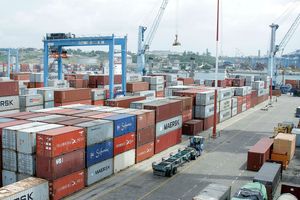
The disagreement comes at a critical time for the Port of Mombasa and the Northern Corridor, which serves landlocked economies including Uganda, Rwanda, Burundi, South Sudan and the Democratic Republic of Congo.
The corridor is a major trade route for imports and exports serving millions of consumers and businesses across the region, making the smooth movement of cargo essential to regional economic activity.
Any prolonged dispute over tracking requirements and associated costs could increase transportation costs, delay deliveries and affect the competitiveness of Mombasa against other regional ports.
KTA has urged members to maintain cargo operations while resisting what it considers an unjustified transfer of government responsibilities to private businesses.