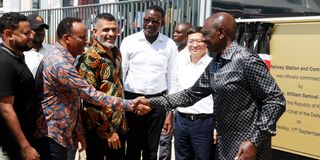
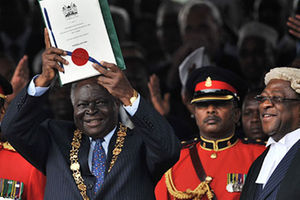
It’s September 2025, and President William Ruto is still on the road. One week it’s Murang’a, the next it’s Kisii, then Turkana, before circling back to State House for another round of staged handshakes with regional kingpins.
Every stop is accompanied by ribbon-cuttings, billion-shilling pledges, and carefully choreographed applause. It’s a spectacle so relentless you’d think Kenyans were trapped in a permanent election cycle. And in a way, we are.
This past week alone tells the story. At State House, Ruto huddled with Murang’a, Gusii, and Turkana leaders, sprinkling promises like confetti. In Kisii, he unveiled a Sh46 billion package: housing projects, new roads, a stadium, even coffee debt relief. In Nairobi, his administration trumpeted shiny reforms: e-procurement to fight graft; biometric tracking in hospitals to curb ghost workers. It looks impressive on paper, until you realise it’s less governance and more stagecraft. A magician pulling rabbits from a hat, except the rabbits are fashioned from debt and sustained by applause.
What Ruto has perfected is less leadership and more performance. These regional tours are roadshows, complete with state-backed logistics, drone shots, and viral clips pumped onto social media influencer pages. Ninety percent of Rift Valley and Nyanza support, we are told. Stadiums promised here, coffee waivers announced there. A hustler circus rolling from county to county, dazzling the crowd while the hard questions are buried under ululations.
But the mirage cracks very quickly when you look closer. Nairobi’s audit scandal is sitting at Sh39 billion, a corruption pit so deep it makes every “anti-graft” announcement sound like satire. Construction approvals in the capital are down 50 per cent, signalling a sector in recession, and a fast contracting economy.
And for millions of families earning Sh20,000 or less each month, Ruto’s tours may as well be theatre performed in a foreign language. Their problems are rent, their problems are food, their problems are unpaid salaries, not stadiums in Kisii or selfies in Turkana.Even Ruto’s own data betrays him.
A TIFA poll released in September pegs his national approval at 60 per cent, a number his strategists brag about. Dig deeper, though, and the ground shifts. Only 40 per cent in Lower Eastern still approve. One in five Kenyans now blames him for human rights abuses, especially in the wake of over 120 young people dead over the past year.
That blood on the streets doesn’t just vanish because he launches another housing project. What he is really doing is juggling tribal torches — appeasing Gusii today, reassuring Murang’a tomorrow, keeping Turkana in the fold by the weekend. It is political choreography designed to lock in 2027 votes long before ballots are printed.
Yet democracy was never meant to be rehearsed endlessly. Kenya isn’t supposed to endure two years of campaign trance while governance takes a back seat. Ruto’s theatrics may feel like leadership (or a variation of its caricature) in the short-term, but they are robbing Kenyans of something far more precious: seriousness. And the cost is staggering.
County government workers across the country are unpaid. IEBC reforms are stalled, leaving the 2027 election machinery in limbo. Teachers threaten strikes over salaries. Lecturers across multiple universities are on strike. Youth, once promised the future, now have to grapple with joblessness and hopelessness. The taxman digs deeper into shrinking pockets, while State House parades new projects like beads at a market stall.
24 months of political theatre
Every stadium pledge, every market ground-breaking, every “mapochopocho” project handed to a loyal county feels like a distraction. A shiny rabbit pulled from the presidential hat while the real work gathers dust in the wings. Kenyans are not fooled; but they are fatigued. They’re tired of financing a political safari whose only deliverable is applause.
The uncomfortable truth is that Ruto seems addicted to it. Every trip, every handshake, every project launch is calibrated for the optics of survival. But is Kenya being governed, or is it merely being campaigned to? Is this a presidency or an audition for 2027? The question is urgent because time is not.
We are barely two years away from the next General Election. Can Kenya really afford another 24 months of political theatre, with economic quicksand beneath and democratic reforms stalled above? The applause will fade. The stadiums may or may not materialise (they likely won’t. you know it, I know it, the lions in the Mara know it too).
The debt will remain, as will the unpaid workers, the grieving families of slain protestors, and the millions hustling to stretch Sh20,000 into rent, food, and school fees. That is the Kenya that will wake up when the lights of the hustler circus finally go out.So maybe it’s time Kenyans stop clapping along.
Maybe it’s time to break the campaign trance. Governance isn’t a roadshow, and leadership isn’t measured by the number of county tours per week. It’s measured by whether ordinary people feel less squeezed, less afraid, less betrayed.And that is the test Ruto keeps dodging. But as 2027 draws nearer, it is also the test he will very quickly realise he was being vetted on.