The quality of life for many Kenyans is quietly being eaten away by weight-related illnesses. It is therefore clear why quick weight loss solutions are becoming popular.
I say this as a woman who has struggled with weight. My body has swung like a pendulum, even with all my knowledge as a medic. And like many others, my search for answers has never been about looks alone. It has been about wanting to live longer and to prevent the creeping non-communicable diseases related to overweight and obesity.
Thirteen per cent of women and nearly four per cent of men above 18 are living with obesity. This is not just about size. It is about the illnesses that follow: diabetes, heart disease, high blood pressure, fatty liver disease, some cancers, and even mental health problems. The Ministry of Health already tells us that 39 per cent of all deaths in Kenya are from non-communicable diseases, and more than half of these deaths are happening to people under 40, our most productive years.
Health-related issues of obesity
Being overweight or obese is not just a cosmetic issue, it is closely linked with a range of medical conditions. Obesity and overweight increase the risk of type 2 diabetes, hypertension, cardiovascular disease and stroke among the top 10 leading causes of death in Kenya. It also links with fatty liver disease, metabolic syndrome, osteoarthritis, gallbladder and pancreatic disease, and certain forms of cancer.
Obesity can also be connected to fertility issues, pregnancy complications, sexual health issues and mental health issues like depression and anxiety. It is not unusual to see a patient with many of these conditions all coexisting in one individual, each compounding the impact of the other and imposing an enormous strain on the individual, family and health services.
Further, the economic burden from health risks associated with obesity is high. Families spend up to a third of their income on care, being driven into catastrophic health costs. The government also spends too little on prevention, even when it has acknowledged that preventing and controlling non-communicable diseases will require three times as much. This on the background of the country having a hard time financing primary healthcare, with the emergency and chromic fund being starved of resources. In that gap, the temptation of a quick fix becomes irresistible.
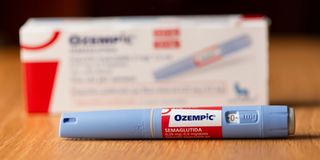
It then justifies why Ozempic, marketed in Kenya as Semaglutide has gained such popularity. Let’s be clear, Ozempic was designed to help people with type 2 diabetes. Ozempic mimics appetite regulating hormones in our bodies. When the Ozempic level goes up, the brain receives a signal that you are full. At the same time, it slows down how quickly food moves through the stomach, keeping one satisfied for longer. For diabetic patients, the results are dramatic with consequent weight loss.
However, weight loss is not the whole story of Ozempic, the drug can also cause serious problems. People on it report nausea, vomiting, and severe abdominal pain. Some develop stomach paralysis. Animal studies have raised questions about thyroid tumours. It has been linked to pancreatitis, kidney problems, gallbladder disease, and dangerous changes in blood sugar. In the United States, lawsuits are piling up against the makers of Ozempic, with patients claiming lasting injuries.
Semaglutide clearly works for many people. But access to this drug must start with the right to access it safely, and with informed consent. Patients deserve to know the benefits and risks of the drugs they take, for as long as they may take them. Patients also have the right to have these prescriptions written by qualified medical professionals, rather than by so-called “consultants” without medical licences, peddling their wares in boutique clinics and beauty parlours. Off-label promotion of these powerful drugs without appropriate safety nets, and leaving patients exposed to unsafe providers, is not just a medical issue. It’s a health rights, informed consent and dignity issue.
The allure of quick weight loss solutions remains potent in societies where obesity stigma exists and where preventable health conditions burden families both emotionally and financially. But there are no silver bullets. The hard work is in supporting healthy living, in building safer food environments, in bolstering public health systems strong enough to keep people from despair. Human rights in health must mean more than just access to health care or even to medicines. They must also mean access to safe medicines, information that people can trust, and systems strong enough to prevent predatory practices that can harm people and communities. If we do not work for these things, drugs like Semaglutide will only become the latest example of healthcare inequality, where those most desperate pay the highest price.
The Pharmacy and Poisons Board and other medical regulators must amplify their messaging about the risks of Ozempic. Clinics dispensing it must be properly regulated and irresponsible advertising curtailed. Healthcare financing must also move away from a crisis response model to one of prevention. Because Semaglutide is not the answer to Kenya’s weight crisis. It is merely a tool, and a dangerous one at that. The bigger battle is to build a system where Kenyans can eat healthily, exercise, and access low-cost care. It is about protecting families from falling into poverty due to non-communicable diseases which are preventable.