One of the most interesting things about political movements is what happens when they grow beyond their original purpose. As their influence expands, so does the interest of people seeking to take their energy elsewhere. A movement can soon find itself negotiating leadership, representation, political alliances and electoral participation.
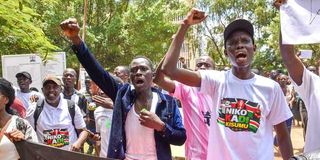
This is a dilemma Kenya’s Gen Z movement will confront as the country heads towards 2027. Politicians are assembling coalitions and discussing new political arrangements. When MPs who voted for the Finance Bill position themselves as Kenya’s rescuers, questions of representation become pressing. Beyond these alliances, however, movements elsewhere offer lessons on confronting similar challenges.
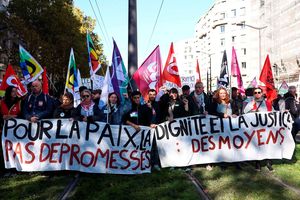
Serbia offers a useful example. After a railway station canopy collapsed in Novi Sad in November 2024, killing 16 people, student protests against corruption grew into a nationwide movement challenging President Aleksandar Vučić’s government, organised around collective decision-making through university assemblies, known as plenums, rather than individual leadership.
As the movement considered parliamentary elections, it faced a difficult question: how could it enter an electoral contest without becoming the political formation it sought to challenge? The students devised a candidate-selection process for their proposed parliamentary list, drawing representatives from six university cities according to student numbers.
University assemblies nominated and scrutinised candidates. The list considered doctors, academics, activists, artists and other professionals with established records, while restricting those who had held senior positions in political parties.
Perhaps the most telling moment was the removal of Vladan Đokić, the Rector of the University of Belgrade, from the proposed list. Though prominent in the movement, he was not exempt from scrutiny. Students could challenge candidates, question their suitability and vote them out. The process put credibility ahead of the convenience of a recognisable face.
In June 2013, protests against a public transport fare increase in São Paulo grew into one of Brazil’s largest protest waves. The Movimento Passe Livre, or Free Fare Movement, had organised around public transport for years. Its demand was clear: reverse the increase in bus and metro fares. That clarity mattered. The movement had spent years organising around the right to affordable public transport. When police violently cracked down on protesters, public anger spread and demonstrations reached other cities.
Within weeks, millions had taken to the streets. The authorities eventually reversed the fare increase, a significant victory for the movement. But the demonstrations also attracted people with different political grievances. A campaign against higher fares became a broader expression of dissatisfaction with Brazil’s political establishment, public services, corruption and the cost of hosting major sporting events. A clear organising structure cannot control everyone who joins a mass movement. It can, however, help retain its identity, defend its demands and determine which compromises it will accept.
Brazil also shows that forcing a government to reverse a decision is not the same as determining what replaces it. A protest can win its immediate demand and still leave a political vacuum that others may occupy.
The Serbian students appear to have taken these questions seriously. Their candidate-selection rules, assemblies and delegate arrangements seek to prevent electoral politics from becoming an opportunity for individuals to build personal careers. Whether these arrangements can withstand parliamentary pressures remains to be seen, but the effort is worth examining.
For Kenya, the question is not whether to copy Serbia or reproduce Brazil’s experience. Our political environment is different, and movements cannot simply import structures developed elsewhere. What is worth borrowing is the thinking behind them.
Serbia asks how a movement can choose its representatives without surrendering its identity to a few prominent individuals. Brazil shows how it can retain its purpose when popularity attracts people with different ambitions. Both questions become critical when politicians seek to convert a movement’s support into electoral advantage.
The temptation will be to treat access to established politicians as evidence of progress. Serbia and Brazil offer different ways of understanding that distinction. As Kenya’s political class prepares for 2027, these conversations are worth having before anyone negotiates our future on our behalf.