A sharp rise in the prices of tomatoes, cabbages and other staple foods pushed Kenya’s annual inflation to 6.4 per cent in June, with higher transport costs compounding the cost-of-living pressure on households, new official data shows.
Figures released by the Kenya National Bureau of Statistics (KNBS) indicate that annual inflation rose from 3.8 per cent in June last year, driven mainly by increases in food, transport and housing-related costs.
Food and non-alcoholic beverages recorded an annual inflation rate of 8.6 per cent, while transport costs surged by 16.1 per cent. Housing, water, electricity, gas and other fuels rose by 3.4 per cent.
The food and transport categories account for more than 42 per cent of the Consumer Price Index (CPI) basket, making them the biggest contributors to the higher cost of living.
“Annual consumer price inflation was 6.4 per cent in June 2026, as measured by the Consumer Price Index (CPI),” KNBS said.
“The price increase was primarily driven by a rise in prices of items in the food and non-alcoholic beverages (8.6 per cent), transport (16.1 per cent), and housing, water, electricity, gas and other fuels (3.4 per cent) over the one-year period.”
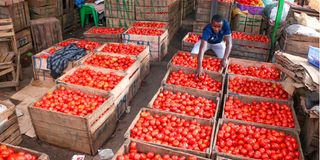
Among food items, tomatoes registered the sharpest increase, with the average retail price rising by 40.5 per cent to Sh117.87 per kilogramme from Sh83.88 in June 2026.
Cabbages became 25.3 per cent more expensive over the same period, while sukuma wiki prices climbed by 26.6 per cent.
Other commonly consumed foods also recorded significant increases. The average price of Irish potatoes rose by 23.2 per cent, spinach by 19.4 per cent, beef by 10.2 per cent and green grams by eight per cent.
A client samples cabbages at Muthurwa Market in Nairobi on Monday, July 14, 2025.
Photo credit: Dennis Onsongo | Nation Media Group
The sustained rise in vegetable prices has piled pressure on household budgets, particularly for low-income families, as food remains the largest component of household spending.
The increases follow months of erratic weather that disrupted production in key horticultural growing regions supplying Nairobi and other urban centres.
Heavy rainfall during parts of the long-rains season affected harvesting and transport, while excessive moisture damaged crops and reduced the volume of produce reaching markets.
With demand remaining steady, the supply disruptions pushed up retail prices in supermarkets and open-air markets across the country.
Transport costs also continued to rise, reflecting higher fuel prices and increased operating expenses.
According to KNBS, diesel prices increased by 29.9 per cent compared with June last year, the largest jump among petroleum products. Kerosene prices rose by 22.2 per cent, while petrol became 14.9 per cent more expensive over the same period.
The higher fuel costs have raised the cost of moving goods and passengers, feeding into food distribution expenses and public transport fares.
KNBS data shows that matatu fares on the Bungoma-Kabula route increased by 42.9 per cent over the past year, illustrating the impact of higher operating costs on commuters.
Although annual inflation accelerated, the monthly inflation rate eased during June, suggesting prices rose at a slower pace compared with May.
However, the annual figures indicate households continue to face elevated living costs, largely driven by food and transport, which remain the most heavily weighted components of the inflation basket.
Agricultural economists have previously noted that vegetable prices tend to respond quickly to weather-related shocks because most vegetables have short production cycles and limited storage life.
As a result, supply disruptions are rapidly reflected in wholesale and retail prices, leaving consumers to bear the impact within a short period.