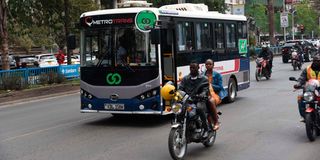
The power consumption by electric vehicles (EVs) jumped four times to 5.04 gigawatt-hour (GWh) in the year ended June 2025, reflecting the impact of increased numbers of cars.
Energy and Petroleum Regulatory Authority (Epra) data shows that this was a 300 per cent rise from the 1.26 GWh that the EVs consumed in the year to June 2024.
The spike in consumption mirrors the increased number of EVs on Kenyan roads, with 6,442 such units as of June 2025, a 21.6 per cent rise from 5,294 EVs last December.
Kenya has, in the past few years, been keen to increase the number of EVs as part of reducing environmental pollution attributed to diesel and petrol-powered vehicles.
“Electric mobility consumption was 5.04 gigawatt-hours (GWh), which is a 300 per cent increase from the previous financial year’s consumption of 1.26GWh. This growth has been spurred by an increased uptake of the e-mobility tariff,” Epra says in the latest industry report.
Electricity consumption by EVs accounted for 0.044 per cent of the 11,329.75 GWh that Kenya Power sold to its 10.04 million customers spread across the industrial, small commercial, domestic, street lighting and electric-mobility categories in the period under review.
The tariff for EVs is Sh8 and Sh16 at off-peak and peak times per kilowatt-hour (kWh), respectively. This has been in place since 2023, when Kenya gazetted electricity prices for this category for the first time.
Besides helping to cut the environmental pollution by fossil fuels, EVs are set to become a key revenue driver for Kenya Power in the long term.
The popularity of EVs among businesses and households has been on a steady rise over the years, driven by the need to move away from costly diesel and petrol.
The government has also adopted several incentives to spur uptake of EVs, including cutting excise duty on the vehicles from 20 per cent to 10 per cent and also exempting EVs from value-added tax.
Additionally, Kenya is also set to install some 10,000 electric charging stations in a project that is estimated to cost $47.26 million (Sh6.1 billion) in a bid to address one of the biggest challenges derailing uptake of EVs.
The charging stations will be spread along all highways, all towns and roads linking to these highways and the 47 county headquarters.
A lack of charging infrastructure for EVs has been cited as a major hurdle hindering the uptake of these vehicles, especially outside Nairobi.
There are currently 300 EV charging stations across the country, but a vast chunk of these are in Nairobi.