Dr Anne Karemi, the CEO of the National Biosafety Authority (NBA), a state agency responsible for regulating all matters related to genetically modified organisms (GMOs) in Kenya. She speaks to Sammy Waweru of Seeds of Gold .
The government agency is responsible for regulating all matters related to genetically modified organisms (GMOs) in Kenya. This includes GMOs intended for animal feed, human consumption, research, and trade. We oversee the development, transfer, handling, and use of GMOs to ensure safety for human health, animals, and the environment. The Authority also regulates activities such as research, importation, exportation, and commercialisation, while promoting responsible biotechnology development and public awareness. It ensures that any GMO introduced into the country meets the required safety standards before use. That includes receiving import and export applications for approval or rejection – if they have not met safety standards. We work in partnership with other key stakeholders, including the scientists, researchers and experts.
The NBA is neither for nor against GMOs. Its role is strictly regulatory. It focuses on ensuring that accurate, science-based information is available to the public to prevent misinformation and disinformation. We do not impose GMOs on the public. The National Biosafety Authority remains neutral, ensuring that any GMO approved for use in Kenya meets strict safety standards. We neither enforce adoption nor use of emerging technologies, but focus on regulation and public awareness.
Dr Anne Karemi, the CEO of the National Biosafety Authority (NBA), during an interview on April 10, 2026, at KALRO Kandara, Murang’a County. The National Biosafety Authority is a state agency responsible for regulating all matters related to GMOs in Kenya.
Photo credit: Sammy Waweru | Nation
The Authority operates under the Biosafety Act of 2009. This law gives NBA the mandate to regulate the development, importation, testing, and commercialization of GMOs in Kenya through a structured and scientific approval process. Since the authority was established, amidst challenges including the pending court cases challenging distribution of GMO products and adoption, we have done a lot and we will continue sensitizing the public.
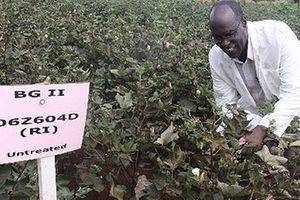
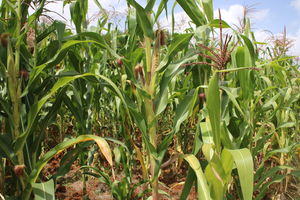
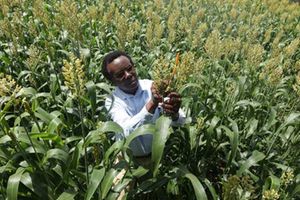
GMO products go through multiple stages of evaluation and approval. Research institutions submit applications, which are then reviewed by the Authority. Some products, such as Bt cotton, have already been approved and are in use in several counties. Bt cotton was approved for commercialization in 2019 and is now being cultivated in Kenya. Bt maize is at an advanced stage of approval, while cassava has undergone field trials and is undergoing further evaluations before final approval. Apart from GMO technology, other emerging innovations include genome editing, which is currently under research in Kenya. For instance, gene-edited sorghum is under development. Additional technologies such as gene drive and synthetic biology have not yet been introduced in the country.
According to the Authority, GMOs can contribute to food security, especially in the face of climate change. Some varieties are drought-resistant or disease-resistant. Kenya currently spends close to half a trillion shillings on food imports, and GMOs are seen as one of several tools — alongside irrigation, mechanization, and improved farming inputs to boost local production. Before approval, technologies such as GMO, gene editing, gene drive and synthetic biology, among others undergo intensive research and for years.
One of the major challenges is ongoing legal cases in court, which have slowed down the approval process for some products, including cassava. These legal setbacks have affected timelines, but regulatory work continues within the framework of the law. Another big setback is misinformation, which we are trying to mitigate through intensive public engagement and awareness.
The NBA strengthens monitoring and enforcement across the country, including at border points such as Busia and Malaba, to ensure only safe materials enter the country. It also works with institutions like the Kenya Agricultural and Livestock Research Organization (KALRO) and other experts. In addition, the Authority is increasing public awareness efforts to counter misinformation and build confidence in the regulatory system and GMO safety assessments. We are doing this through stakeholder engagement forums, public consultations, media campaigns, and educational outreach. We also publish accessible information on GMO safety assessments, collaborate with research institutions, and promote transparency in decision-making to build public trust and confidence in the regulatory system.