The government is set to convert the export and investment promotion levy into a fund in a move aimed at bringing transparency and accountability into the use of funds from the charge levied on goods like imported cement clinker, ceramics and bars and rods of iron or non-alloy steel.
The levy applied on specific imports, and which is meant to protect local manufacturers, has until now been collected as part of State taxes with no formal structure around the application and disbursement of funds.
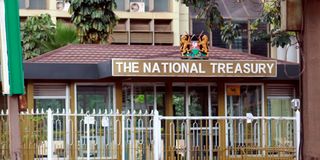
The National Treasury has published draft export and investment promotion levy fund regulations which seek to establish the levy as a fund with a steering committee as the highest management organ.
The creation of the fund comes in the backdrop of President William Ruto disclosure of plans to create an industrialisation fund which shall lend money to manufacturers at single digit rates, in a move aimed at also supporting local manufacturing.
“The Export and Investment Fund is set up to collect the export and investment promotion levy and fulfil the levy’s purpose, to boost manufacturing, increase exports, create jobs, save foreign exchange and promote investment,” the National Treasury said in an explanatory memorandum.
The Export and Investment Promotion Levy has been a tax charged on imported goods entering Kenya for home use but not exports and was introduced via the Finance Act 2023 to protect local manufacturers from cheap imports and fund local export and investment initiatives.
The Kenya Revenue Authority (KRA) collects the levy at the port of entry when the goods are cleared.
The levy has been applied at three tiers-17.5 percent, 10 percent and three percent of the goods’ customs value.
The rate of tax for items like semi-finished iron products, bars and rods of iron or non-alloy steel had their levy adjusted downwards from 17.5 percent to five percent in this year’s Finance Bill to ease pressure on the construction and manufacturing sector.
Kenya’s industry stakeholders have welcomed the move to convert proceeds of the levy to a structured fund, stating the move will help entrench accountability and transparency in the use of funds.
“The intention is right. There has been concern from manufacturers who felt that they were paying the levy but could not see the benefits of the funds collected,” said Tobias Lando, the chief executive officer of the Kenya Association of Manufacturers (KAM).
An estimated 37 percent of monies in the fund shall be applied to promote manufacturing, while 30 percent of funds will go to the promotion of investments.
Another 30 percent of funds shall be used to increase exports, save on foreign exchange, and create jobs while the balance of three percent shall be used for the administration of the fund.
The Export and Investment Promotion Levy Fund Steering Committee shall manage the fund and comprise a Chairperson, and the Principal Secretaries of the National Treasury, Investment Promotion, and Industrialisation.
The fund shall also hire a chief executive officer who shall serve as the Secretary of the Fund Steering Committee.
Government agencies whose mandate covers investments and export promotion like the Kenya Export Promotion and Branding Agency (KEPROBA) and KenInvest can apply for money from the fund.
The agencies are however required to have an annual work plan aligned to the strategic plan of the fund.
In the case of a request to fund an infrastructure project, the respective agency shall be required to prepare project designs approved by relevant government institutions.
Earlier this month, President William Ruto indicated plans to setup and industrialisation fund to help support manufacturing activities in the country, improving exports and job creation.
The plan aligns with the administration’s move to create funds to serve specific purposes including the affordable housing levy fund and the financial inclusion/hustler fund.
“We are in the final stages of creating an Industrialisation Fund that will lend money at single-digit rates to enterprises that want to engage in manufacturing,” President Ruto said earlier this month.