The Port of Mombasa is facing mounting pressure as cargo volumes rise ahead of the festive season, forcing the Kenya Ports Authority (KPA) to consider diverting some vessel traffic to Lamu while deploying additional facilities and accelerating automation to ease congestion.
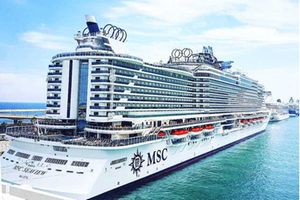
The authority is also turning to conventional berths and part of the cruise terminal to accommodate the growing cargo, and will digitise all its gates in the coming weeks to speed up clearance and reduce delays.
The congestion comes as importers rush to bring in goods for Christmas and New Year sales, traditionally the busiest shipping period, with more than 55 vessels expected within 14 days.
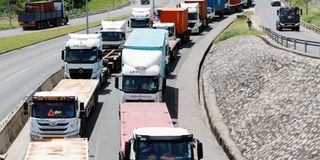
The pressure has been compounded by disruptions along the Northern Corridor, where transporters have introduced additional health precautions amid Ebola concerns, slowing cargo movement between the port and hinterland markets.
Transit cargo destined for the Democratic Republic of Congo (DRC) has also been disrupted after transporters suspended some operations in eastern DRC following attacks on commercial vehicles and the killing of Kenyan truck driver Mohamed Talib and other drivers.
The Long-Distance Drivers and Conductors Association of Kenya issued a safety directive halting non-essential journeys along the Mahagi-Pimbo-Djugu-Bunia-Kisangani corridor, citing escalating insecurity.
The disruptions have slowed the evacuation of cargo from the port, increasing pressure on storage yards and container freight stations while exposing importers to additional costs.
KPA is seeking to activate Lamu as a complementary facility to ease pressure on Mombasa, the country’s principal gateway for international trade and a major transit route for landlocked East and Central African countries.
The strategy comes as the authority expands infrastructure and introduces digital systems to improve vessel turnaround times and truck movement through port gates.
KPA managing director Captain William Ruto said the authority was preparing for the anticipated increase by deploying additional equipment, training staff and automating operations.
“We are ready, our staff are ready, we have equipment, and we have also acquired more equipment that will be arriving before the Christmas season to handle the volumes of cargo that we are seeing now. It is going up,” he said.
The authority has completed construction of a smart gate at Gate 24 to reduce congestion around the port and accelerate cargo movement.
Container-handling capacity
“That smart gate initiative is what we learned from other ports, in terms of how to automate our ports and lessen the manual interfaces that we have always been doing,” Captain Ruto said.
He added that sections of the project were expected to be handed over to KPA before the end of the year to support December peak operations.
The port has 22 berths serving container and conventional cargo, alongside a modern cruise terminal. The authority is using available facilities to accommodate the surge.
In July, KPA unveiled a Sh1 billion Vessel Traffic Management and Information System (VTMIS) to improve vessel monitoring, maritime safety and turnaround times.
The system operates through three interconnected sites: the Vessel Traffic Services Control Tower, Ras Serani Signal Station and Shimanzi Oil Terminal Radar Site.
It integrates vessel tracking, radar surveillance, marine communications, weather monitoring, oil-spill detection and digital port-management functions.
The investment forms part of a wider maritime modernisation programme that includes a search-and-rescue helicopter and three tugboats valued at between Sh1.5 billion and Sh1.6 billion.
KPA is also constructing berth 19B at a cost of Sh19 billion to expand container-handling capacity. The 240-metre berth will have a 15-metre draft and accommodate vessels of up to 45,000 deadweight tonnes.
The project is expected to add 300,000 twenty-foot equivalent units (TEUs) to annual handling capacity.
Capt. Ruto said construction was progressing well, at about 56 per cent.
The expansion follows a record 2025, when Mombasa handled 45.45 million metric tonnes of cargo, up 10 per cent from 40.99 million tonnes in 2024.
Container traffic increased by 5.5 per cent to 2.11 million TEUs from two million TEUs, while transit cargo rose 19.5 per cent to 15.88 million tonnes from 13.29 million tonnes.
The growth underscores Mombasa’s importance as a regional logistics hub but also highlights the challenge of matching rising demand with adequate infrastructure. The delays lead to importers paying higher demurrage and storage charges, possible shipping-line surcharges and missed sales when seasonal goods arrive late.
“We have ordered earlier this time as we might miss shipments for holidays if we delay, maritime disruption and port congestion will definitely affect vessel turnaround time,” said John Mwazighe, a Mombasa-based clearing and forwarding agent.
Industry players have urged traders to plan shipments early, confirm container freight station arrangements in advance and keep in contact with clearing agents.
They also advise importers to factor possible surcharges into their budgets and seek frequent updates on cargo status.
While automation and new berths are expected to improve efficiency over time, the immediate test for KPA is whether its contingency measures, including the proposed diversion of some traffic to Lamu, can keep cargo moving during the peak season.
The outcome matters not only for Kenyan businesses but also for regional traders who depend on Mombasa to move goods to Uganda, Rwanda, Burundi, South Sudan and eastern DRC.