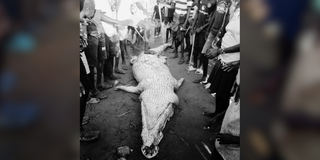
Caption for the landscape image: Fishermen fight for survival as crocodiles terrorise Lake Turkana Sunday, February 22, 2026 Scroll down to read the article Fishermen parade the carcass of a killer crocodile that they hunted down at Kanamukuny village along the shores of Lake Turkana on October 13, 2025. Photo credit: Courtesy By Sammy Lutta Correspondent Nation Media Group Summary Article Related What you need to know: Crocodiles, emboldened by rising water levels in Lake Turkana, now roam closer to human settlements. For communities along Lake Turkana, crocodiles are not just predators but they are a direct threat to survival. For decades, the shores of Lake Turkana have sustained the lives of fishermen like Josphat Mutei. With his weathered hands and small raft made of doum palm logs, Mr Mutei has relied on the lake for food, income and everyday life. PREMIUM How priest’s crocodile farm changed village’s fortunes What began as a small conservation experiment has since grown into a licensed animal sanctuary. Meet the female diver who jumps into crocodile-infested waters Sheila Serem joins male divers, hoping tourism and rescue work will secure her family’s future. . Recommended for you PREMIUM Hospital sued after twins born at 27 weeks, one dies, one loses his vision PREMIUM Court strikes out junior school teachers’ bid to break away from Kuppet, Knut PREMIUM Why Uhuru skipped Raila’s anniversary event PREMIUM Fires await Gachagua on return from US trip Login to join the discussion Please enable JavaScript to view the comments powered by Disqus. In the headlines Elections News Counties Business Opinion Sports Life & Style Health Podcasts Photos Newsletters Puzzles PREMIUM Court exposes officials in failed bid to seize Nakuru War Memorial Hospital Officials are accused of acting on instructions from powerful individuals. Ruto on New KCC: Let farmers run it The government has injected Sh8 billion into New KCC over the past three years. PREMIUM Hospital sued after twins born at 27 weeks, one dies, one loses his vision Father sued the hospital alleging that doctors failed to conduct mandatory screenings.
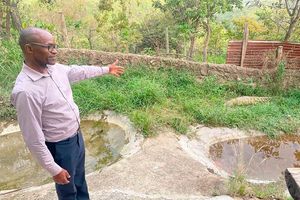
PREMIUM How priest’s crocodile farm changed village’s fortunes What began as a small conservation experiment has since grown into a licensed animal sanctuary.
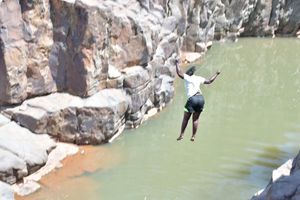
Meet the female diver who jumps into crocodile-infested waters Sheila Serem joins male divers, hoping tourism and rescue work will secure her family’s future.
PREMIUM Court exposes officials in failed bid to seize Nakuru War Memorial Hospital Officials are accused of acting on instructions from powerful individuals.
Ruto on New KCC: Let farmers run it The government has injected Sh8 billion into New KCC over the past three years.
PREMIUM Hospital sued after twins born at 27 weeks, one dies, one loses his vision Father sued the hospital alleging that doctors failed to conduct mandatory screenings.