The planned resumption of petroleum activities in Turkana in December has sparked political contestation in Turkana East and Turkana South constituencies, with leaders and aspirants positioning themselves around the debate on how local communities will benefit from the South Lokichar Basin oil project.
The renewed activity follows preparations by Gulf Energy to take over operations from Tullow Oil, reviving expectations of jobs, business opportunities and revenue from Kenya’s long-delayed commercial oil venture.
At the heart of the debate are demands by residents of Aroo and Suguta sub-counties for assurances that they will not be excluded from oil-related benefits.
The two sub-counties were created within Turkana East and Turkana South largely to enhance security and curb banditry. However, residents now fear they could miss out on opportunities linked to the petroleum sector.
Residents of Aroo Sub-County say uncertainty has emerged following remarks attributed to Turkana East MP Nicholas Ngikor suggesting that opportunities would initially prioritise residents of the two original sub-counties closest to the oil fields.
Mr Peter Nakauron, a resident of Katilu Ward, said communities that were previously part of the larger Turkana South constituency should also benefit.
“We need leaders who will assure us that our sub-county will get its share of the five per cent because we were initially part of the larger Turkana South,” he said.
Lokichar Ward MCA Samwel Lomodo said the approved Field Development Plan provides for local employment and business participation, but cautioned against attempts to politicise the process.
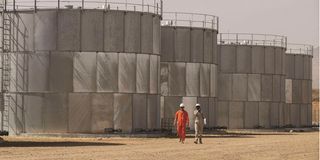
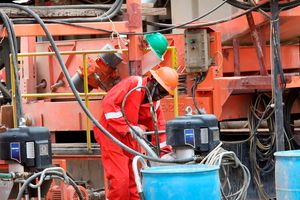
An oil rig at the Ngamia-1 well on Block 10BB, in the Lokichar basin, Turkana County. Gulf Energy Ltd has acquired a 1,500-horsepower rig from Abu Dhabi-based firm.
He accused some politicians and aspirants of fuelling divisions among residents of Turkana East, Turkana South and the wider county in pursuit of political advantage.
“Oil-related development should unite communities, promote fairness and ensure that all residents benefit peacefully and equally from the opportunities available,” said Mr Lomodo.
The Lochakula/Kochodin Professional Association also expressed concern over what it described as growing political interference in community affairs.
Its chairman, Mr Samwel Ariong, said the association was working to unite professionals from villages surrounding the oil fields to ensure local communities secure a fair share of jobs and tenders.
“We are committed to uniting professionals from villages near the oil fields with a keen interest in securing their fair share of jobs and tenders as we collectively transform our remote areas,” he said.
Former Turkana East MP Ali Lokiru accused unnamed leaders of exploiting their positions to sideline residents associated with rival political camps during early engagements related to the project.
He urged Gulf Energy to establish direct communication channels with local communities to enhance transparency and inclusivity.
The renewed focus on oil has also revived discussion around former Petroleum Cabinet Secretary John Munyes, who remains one of the region’s most prominent figures associated with the sector.
Mr Munyes, who later unsuccessfully contested the governorship, has previously defended his record at the Petroleum ministry, citing additional oil discoveries and the implementation of the Early Oil Pilot Scheme.
Through the programme, Kenya earned Sh1.2 billion from the sale of 240,000 barrels of crude oil.
Former Petroleum and Mining Cabinet Secretary John Munyes.
Photo credit: Nation Media Group
He has also maintained that efforts to commercialise Turkana’s oil resources were slowed by disputes over land acquisition linked to the Lamu Port-South Sudan-Ethiopia Transport (Lapsset) Corridor project.
For many residents, however, the debate is less about politics and more about whether oil wealth will improve living standards.
Mr Paul Loyokon, a resident of Lokichar town, said leaders seeking political support must demonstrate how petroleum resources will translate into better access to water, healthcare and education.
“When Mr Munyes was the Cabinet Secretary, we expected to benefit from a share of revenue from the Early Oil Pilot Scheme. We expect the current elected leaders to unite us and show us a workable plan to transform our villages, which continue to experience high levels of poverty,” he said.
Residents remain hopeful that the resumption of petroleum activities will create jobs, stimulate business growth and accelerate development in communities that have long remained on the margins of the country’s economic progress.