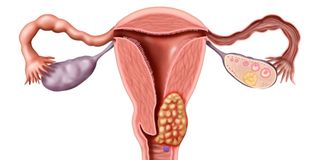
Though it is rare, a woman can be pregnant and have cervical cancer at the same time. Dr Stella Njenga, a gynecologic oncology fellow at Kenyatta National Referral Hospital, says in the last two years, she has treated three patients with cancer of the cervix during pregnancy.
Cervical cancer is the second most common cancer in Kenyan women and the top killer. What if you get it while pregnant? Can you carry the pregnancy to nine months, or would you have to choose between the baby and cancer treatment? A normal cervix helps keep the fetus in place and allows safe passage of the baby.
While pregnancy does not make cancerous cells in the cervix grow or spread faster, Dr Njenga shares treatment given will increase the risk of miscarriages.
However, cervical cancer can be treated while a woman is pregnant, but the treatment will be dependent on the stage of the cancer and the trimester of the pregnancy. Cervical cancer is treated through surgery, which is the removal of part or the whole cervix, chemotherapy, and radiotheraphy which involves radiation inside the cervix.
Dr Njenga says for a woman who has pre-invasive cervical cancer (abnormal cells on the cervix that have the potential to become cancerous if left untreated).
“Usually for those ones, we can do surveillance because progression from pre-invasive disease to cancer in itself takes a long time for most people, and pregnancy is maybe just eight to nine months.”
Dr Njenga says treatment can range from conisation (cutting off part of the affected cervix) or trachelectomy - removal of the whole cervix.
“If the woman does not wish to continue with the pregnancy, we terminate the pregnancy first, that is in the first trimester, then we treat them surgically because early cervical cancer is treated so or we remove the uterus together with the fetus inside,” she adds.
However, Dr Njenga says the first trimester is riskier for treatment as the baby is forming most of its important organs and they are more sensitive to birth defects which can affect the affect heart, brain, limbs, face, or other organs.
“In terms of surgery, we do excisional treatments in the first trimester of pregnancy because the cervix is not very vascular. [Which is to remove the abnormal tissue from the cervix]. The chances of bleeding and ruptures of membranes get worse as the pregnancy grows.”
If the patient is in her second trimester, and depending on the cancer stage, the patient is given neoadjuvant chemotherapy to shrink the tumour, but treatment is stopped at 34 weeks because chemotherapy will most often cross the placenta and get to the baby.
"Some of the side effects will be suppression of the baby's bone marrow. So, we stop chemotherapy and give a three-week period for the baby's bone marrow to recover before delivery," she elaborates.
According to the World Health Organisation (WHO), cervical cancer, a highly preventable cancer, is the fourth most common cancer in women globally.
Photo credit: Shutterstock
For cancer that is locally advanced, stage two and above, Dr Njenga says, usually the gold standard of treatment is radiotherapy. But radiotherapy is very toxic, and most times it will lead to fetal death. “So, we give it after delivery.”
While cervical cancer cannot trigger labour, causing preterm birth or low birth weight, Dr Njenga says, cutting a piece of or removing the whole cervix, the woman's cervix may become weak and, in turn, cause preterm birth.
“So, if the patient is bleeding during treatment because of cervical cancer, they can be anemic and affect the baby's growth. Secondly, if the cancer itself is affecting the nutritional status of the mother, or if the size of the cancer is restricting the growth of the baby.”
Most times, the pre-term birth is usually planned for treatment reasons. So, it is a balance between letting the baby mature to a point where they can breathe on their own and not let the cancer advance too much.
When can one get pregnant after cervical cancer?
Cancers may recur within the first two years of treatment; the surveillance is usually more intense, hence doctors advise women to wait until this period ends.
Additionally, the menstrual period can be affected because of chemotherapy, so you need to give your body time to clear the cytotoxic drugs from your system.
“And then most importantly, we also have to look at whether you are medically and psychologically fit to carry a pregnancy,” she says.
Can eggs be harvested before cervical cancer treatment begins? “Yes, they can be harvested, especially if the patient will be treated through radiotherapy. There is the option of cryopreservation [freezing eggs]. So, the eggs are harvested and frozen, and then you can have the option of surrogacy in future.”