Many view building their dream homes as a major life achievement. Watching a beautiful design you once saved on Pinterest slowly take shape is a deeply emotional milestone and a powerful symbol of stability, success and legacy.
Yet for thousands of Kenyans, that dream quickly turns into financial strain, unending loans, stalled projects and bitter lessons when construction costs spiral out of control.
Across the country, half-finished houses dot neighbourhoods, silent reminders of budgets that were stretched too thin, poorly planned or based on guesswork. According to architects and quantity surveyors, most of these problems are not caused by bad luck, but by avoidable mistakes made long before the first stone is laid.
“The single biggest budgeting mistake Kenyans make is underestimating the total project cost because there is no proper cost plan at the beginning,” says Caleb Makori, an architect with over 12 years’ experience in architectural design and project delivery.
“Most projects start with design aspirations rather than financial reality,” he adds.
When dreams come before numbers
Like many first-time builders, aspiring homeowners often begin with inspiration images from Pinterest, Instagram or a neighbour’s house. They commission drawings based on how they want the house to look but not what it will actually cost to build.
“The design looks great on paper, but no one has priced it properly yet,” Makori explains. “You see, the problem is that many people fall in love with an image but don’t question whether they can afford it.”
This disconnect is worsened by Kenya’s unpredictable construction environment. Material prices fluctuate regularly, labour costs vary by region and skill level, and infrastructure expenses such as water, sewer connections, power and access roads are often ignored during the concept stage.
“These are real costs, but they are rarely discussed early enough,” he says.
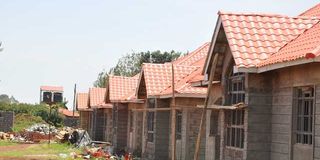
Most stalled projects are due to poor budgeting and guesswork.
Photo credit: Shutterstoc
The danger of ‘rough estimates’
To save money, many first-time builders avoid professional cost planning and instead rely on advice from fundis, friends or relatives who “have built before”.
That approach, Makori warns, is extremely risky. “Those figures are based on guesswork, not measured quantities or current market rates. Critical costs such as approvals, utilities, specifications, contingencies and variations are often completely ignored.”
In practice, this leads to cost overruns of between 30 and 100 per cent, delayed timelines, and in severe cases, abandoned projects. Poor estimates also result in substandard workmanship, material wastage and costly rework, with no accountability when things go wrong.
“In contrast, professional cost plans are detailed and itemised. They identify risks early and allow for value engineering. Those who invest in proper planning often save between 10 and 20 per cent overall,” Makori explains.
Where budgets really blow out
Many potential homeowners assume that the most expensive stage of construction is the foundation or the superstructure. In reality, Makori says, most projects exceed their budgets at the finishing stage.
“Structural works are usually predictable,” he says. “The real overruns happen because finishes are poorly specified early on, and clients start upgrading mid-construction.”
Tiles are swapped for imported options. Doors, fittings and lighting are upgraded “just a little”. Kitchens and wardrobes become more elaborate. Individually, these changes seem manageable, however, collectively, they can push costs up by 20 to 40 per cent.
“The real mistake happens much earlier, during planning, once the structure is fixed, your flexibility is gone, but the temptation to upgrade remains,” stresses Makori.
Where cost-cutting becomes dangerous
With budgets under strain, many builders look for areas to cut costs. While some savings are harmless, others can be dangerous.
“Cost-cutting becomes risky when it affects structural integrity, safety or long-term performance,” warns the architect.
He advises clients never to compromise on the foundation, columns, beams and slabs, soil testing and structural design, qualified professional services, quality materials, essential plumbing and electrical systems, waterproofing and drainage, and on-site safety measures.
“As a rule of thumb, never cut costs on anything that is structural, hidden, safety-critical or expensive to fix later,” he says. “Save money on finishes but not on the building’s bones.”
“Changing designs mid-construction significantly increases costs,” Makori says. “You’re dealing with demolition, rework, wasted materials, additional labour, delays and sometimes new approvals.”
Even small changes, he says, can affect structural elements, plumbing routes and electrical layouts.
“Final drawings lock quantities and costs and give clarity, allow accurate budgeting, ensure safety and compliance, and protect the client from unpredictable contractor variations.”
Building without them, he adds, is one of the fastest ways to lose cost control. Occasionally, the opposite happens: a client secures additional funding mid-project. While this can be a relief, Makori cautions against impulsive spending.
“The smartest approach is to add value strategically, not emotionally,” he says.
Rather than rushing into luxury finishes, he advises prioritising durable upgrades in high-impact areas such as flooring, kitchens and exterior works, as well as investing in energy efficiency through insulation, solar systems and efficient plumbing.
“Use extra funds to fix earlier compromises, improve functionality and protect future phases,” he says. He also stresses the importance of formalising changes.
“All upgrades should be documented through amended contracts, with architects and quantity surveyors guiding feasibility and cost implications.”
He states that most of the time funds dry up before the project is complete. According to Makori, the key is to protect what has already been built.
“First, formally pause the project, secure the site, document progress and ensure safety and regulatory compliance.”
Architects can then re-evaluate the design to reduce scope without compromising structural integrity, introduce phased construction or adopt a “shell-first” approach, completing the roof, walls, windows and doors to protect the structure while interiors wait.
“Phasing allows clients to regroup financially without wasting what they’ve already invested,” he says.
He points out that many first-time builders believe skipping professionals will save money, but in reality, Makori calls it a “false economy”.
“Skipping architects or quantity surveyors to save six to ten per cent often results in 20 to 50 per cent losses through overruns, repairs, disputes and reduced property value,” he says.
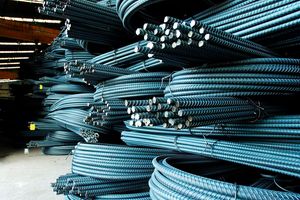
Steel rods or bars used to reinforce concrete, in warehouse. KNBS data also shows that the cost of construction inputs surged at the fastest pace in nearly two years during the quarter ending September 2025
Photo credit: Shutterstock
Without professionals, projects face poor cost control, legal and compliance risks, lower build quality and higher long-term maintenance costs. Buildings with defects or non-compliance issues also attract lower resale values.
“Professionals protect both the financial and technical integrity of a project,” Makori emphasises.
Weighing in on the subject, the Institute of Quantity Surveyors of Kenya (IQSK) explains that many of the delays and budget blowouts seen on residential projects stem from a few recurring mistakes, most of which can be avoidable with proper planning.
“Most stalled residential projects in Kenya are not caused by lack of money, but by poor budgeting and inadequate cost planning at the beginning,” IQSK told DN2 Property.
Skipping a contingency fund is one of the most common errors. Construction costs are rarely static. The prices of materials can spike unexpectedly, designs may need adjustment, and site conditions can change.
The institute advises setting aside at least seven to 10 per cent of the total budget as a buffer. Without it, even a small shock can bring construction to a halt halfway through.
Another major pitfall IQSK pin points is relying on rough estimates instead of detailed cost plans. Many first-time builders, it says begin with guesswork, rather than a proper bill of quantities.
While estimates may seem cheaper and faster, they often exclude key items, leading to unpleasant surprises once construction is underway.
“A detailed bill of quantities gives homeowners financial visibility and control, allowing them to make informed decisions before committing resources,” the institute notes.
Developers are also warned against forgetting professional fees and permits. Construction is not just about bricks and mortar. Architect and quantity surveyor fees, county approvals and project management costs are essential parts of the budget. Overlooking them can cause legal and administrative delays that stall progress and inflate costs. Time is another factor many homeowners underestimate. Delays and inflation go hand in hand, and each extra month on site increases labour and cost of materials.
Factoring in longer timelines and possible price fluctuations helps keep the budget grounded in reality. Finally, IQSK cautions against cutting corners on quality.
“Any savings made by compromising on quality are often wiped out by repairs, rework and long-term maintenance costs.”
How to plan for inflation and price shocks
In today’s volatile construction market, planning for inflation and fluctuation of cost of materials is no longer optional.
Makori advises developers to set aside a 10 to 15 per cent contingency fund, finalise designs early, lock in prices for high-volatility materials such as cement and steel, and include escalation clauses in contracts.
“Open communication and regular cost tracking are critical,” he says, adding that it is better to detect problems early, not when the money is already gone.
“Finalise all drawings, get detailed quotes, not estimates, and understand your allowances,” he says.
He also urges first-time developers to differentiate needs from wants, overestimate rather than underestimate costs, avoid mid-project upgrades and track every expense, including professional fees and approvals.
“A contingency fund of 15 to 20 per cent is essential,” he notes.
“The house you finish should never cost more than the one you imagined simply because of poor planning, and always remember that building is not just about bricks and mortar but about planning, coordination and informed decision-making.”