Most women associate the menstrual cycle with their period, but bleeding is only one part of the process. Ovulation, when an ovary releases a mature egg, plays a central role in fertility. Yet misconceptions persist about when it happens, how to recognise it and whether a woman can have regular periods without ovulating.
“Hormonal influences from the brain stimulate selection and maturation of multiple follicles in the ovary, of which one will fully mature and be shed mid-cycle as an egg,” says Dr Maina Muriithi, a consultant obstetrician-gynaecologist at Aga Khan University Hospital.
One common misconception is that every woman ovulates on day 14 of her menstrual cycle. In reality, timing depends on cycle length and can vary from month to month.
“There are two parts to the menstrual cycle,” Dr Muriithi explains. “The follicular phase, which is the period before ovulation, is pretty varied depending on how long your cycles are, and the luteal phase, the period after ovulation, is pretty constant at 14 days.”
This means a woman with a 21-day cycle may ovulate around day seven, while someone with a 35-day cycle may ovulate around day 21.
Dr Justus Wambugu, a gynaecologist, recommends estimating ovulation by counting backwards from the expected date of the next period.
“A useful rule of thumb is to subtract approximately 14 days from the total cycle length,” he says.
However, he cautions that this is only an estimate. Stress, illness, changes in sleep and other hormonal influences can shift the timing.
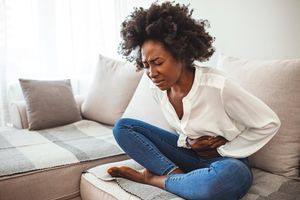
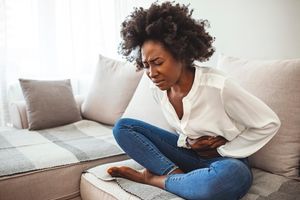
Most women do not notice when they ovulate. Those who do may experience mild pain on one side of the lower abdomen, changes in cervical mucus or an increased sex drive.
Dr Muriithi explains that cervical mucus may become “clear, stretchy and slippery” around ovulation. Some women also experience a slight rise in body temperature, although this usually happens after the egg has been released.
Ovulation predictor kits can help identify the fertile period by detecting a surge in luteinising hormone (LH), which usually occurs 24 to 36 hours before ovulation. Period-tracking apps can also help women understand their cycles, but their predictions are not always accurate.
“They can be useful in understanding your cycle but might not reliably determine the exact time one will ovulate,” Dr Muriithi says.
He also warns that fertility-awareness methods require proper education and consistency, adding that they “usually have a high failure rate and are cycle dependent” when used for contraception.
Another misconception is that the ovaries take turns releasing an egg. Dr Wambugu says this is not how ovulation works.
“Selection of the ovary that will ovulate in a given cycle occurs mainly by chance rather than by a right-left, right-left rule,” he explains.
A woman can also have regular bleeding without releasing an egg, a situation known as an anovulatory cycle.
“Yes,” Dr Muriithi says when asked whether this is possible. “A woman can have an anovulatory cycle. Regular bleeding does not guarantee ovulation.”
This may occur in girls during the early years of menstruation and in women approaching menopause. It can also be associated with conditions such as polycystic ovary syndrome, thyroid disease and excessive prolactin production.
Irregular or highly variable periods may raise suspicion that ovulation is not occurring, but no single symptom confirms it. A doctor may recommend hormone tests and, where appropriate, an ultrasound.
“If ovulation is consistently absent, it can make conception difficult and warrants assessment, especially where pregnancy is desired,” Dr Muriithi says.
Dr Wambugu notes that treatment depends on the underlying cause. Where ovulation is affected by significant weight changes, excessive exercise, nutritional problems or psychological stress, addressing these factors may help restore normal ovulation.
The fertile window extends beyond the day an egg is released. The egg remains capable of fertilisation for about 24 hours, while sperm can survive in the female reproductive tract for up to five days. Pregnancy can therefore occur following sex in the days before ovulation.
Some women experience ovulation pain, known as mittelschmerz, which may feel like a dull cramp or sharper discomfort on one side of the lower abdomen.
“The exact cause is not completely established,” Dr Wambugu says. He explains that the pain may be linked to the ovarian follicle rupturing to release the egg, as well as irritation from a small amount of fluid or blood. It usually lasts a few hours, although it can continue for a day or two.
Ovulation may return before the first period after childbirth or miscarriage. Dr Wambugu says the timing after childbirth varies, with some women ovulating within four to six weeks, while it may take longer for those who are exclusively breastfeeding. After a miscarriage or abortion, ovulation often resumes within two to four weeks.
Ovulation generally resumes quickly after stopping most contraceptive pills or removing an implant, but the three-monthly contraceptive injection can delay its return for several months.
Also, some women report feeling more attractive or confident, greater sociability, improved mood or a sense of increased energy and increased sexual desire.
“There is some scientific evidence for small changes in self-perceived attractiveness, sexual desire and mood around the fertile period. However, these effects are not universal, and the evidence is less consistent for changes in energy or general emotional state. The changes may be related to fluctuations in reproductive hormones, particularly oestrogen, and the hormonal events surrounding the luteinizing hormone (LH) surge,” notes Dr Wambugu.